 8 citations
,
May 2022 in “Journal of medicine and life”
8 citations
,
May 2022 in “Journal of medicine and life” COVID-19 patients may experience hair loss, but it's not linked to their age or sex.
 2 citations
,
February 2019 in “Anais brasileiros de dermatologia/Anais Brasileiros de Dermatologia”
2 citations
,
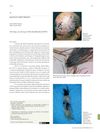
February 2019 in “Anais brasileiros de dermatologia/Anais Brasileiros de Dermatologia” Tufted folliculitis is common in patients with folliculitis decalvans.
 April 2024 in “Clinical dermatology review (Print)”
 Most women aged 20-40 in the study lost hair diffusely and in volume over 6 weeks to 6 months, mainly due to telogen effluvium, often without a clear cause.
16 citations
,
January 1998 in “Dermatology” Androgens may worsen a natural hair resting phase, possibly leading to hair loss.

COVID-19 may be linked to hair loss called Telogen Effluvium, affecting quality of life and self-esteem.
 January 2023 in “Book of Abstracts”
 COVID-19 can cause different types of hair loss, with telogen effluvium being the most common.
Accurate diagnosis of hair loss types is crucial for effective treatment.
 November 2022 in “Revista Hospital Clínico Universidad de Chile”
 COVID-19 may cause hair loss due to the virus's effects and stress from the pandemic.
April 2026 in “Frontiers in Medicine” The 675-nm diode laser may safely help treat telogen effluvium.
 11 citations
,
January 2011 in “Turkish Journal of Medical Sciences”
11 citations
,
January 2011 in “Turkish Journal of Medical Sciences” Low iron levels are a significant risk factor for hair loss, while high vitamin D levels might be a response to hair loss, not a cause.
 January 2025 in “Dermatology Practical & Conceptual”
 Anemia increases the risk of hair loss in post-COVID-19 survivors.
 January 2014 in “International Journal of Athletic Therapy and training”
 A female runner's hair loss was caused by stress from surgery and recovery, but her hair returned to normal in 5 months.
 July 2019 in “International journal of dermatology, venereology and leprosy sciences”
 Patients with Telogen effluvium have higher levels of heavy metals than healthy individuals.
 January 2017 in “Turkiye Klinikleri Journal of Dermatology”
 Low vitamin D levels, not ferritin levels, were found in patients with hair loss condition telogen effluvium.
 March 2025 in “Nepal Journal of Dermatology Venereology & Leprology”
 A standardized guideline would improve Telogen Effluvium management.
 57 citations
,
January 2003 in “Clinical and experimental dermatology”
57 citations
,
January 2003 in “Clinical and experimental dermatology” Postmenopausal frontal fibrosing alopecia is a type of hair loss in postmenopausal women that may stop on its own but has no effective treatment.
 February 2025 in “Indus journal of bioscience research.”
 Many COVID-19 patients, especially women, experienced hair loss, often linked to diabetes and lack of dietary supplements.
January 2023 in “Indian Dermatology Online Journal” A 23-year-old man has a benign, non-progressive hair loss patch that doesn't respond to treatment but can be cosmetically treated.
 December 2021 in “Australasian Journal of Dermatology”
 Red stripes on nails and hair loss may occur after COVID-19.
 3 citations
,
October 1982 in “Postgraduate Medicine”
3 citations
,
October 1982 in “Postgraduate Medicine” Most types of hair loss can regrow naturally, but there are no effective cures for male pattern or age-related hair loss, and only limited options for females.
 3 citations
,
January 2021 in “Skin appendage disorders”
3 citations
,
January 2021 in “Skin appendage disorders” Hair loss can occur about 4 weeks after scalp surgery but usually grows back within 3 months without treatment.

Hair loss after COVID-19 is common, starts sooner in severe cases, and often comes with scalp pain.
 9 citations
,
October 2012 in “PubMed”
9 citations
,
October 2012 in “PubMed” Most women in the study lost hair due to stress, fever, childbirth, surgery, or thyroid issues, with low hemoglobin levels also common.

The document concludes that hair loss in women can be caused by various factors and is managed with specific treatments like medication, therapy, and lifestyle changes.
 January 2014 in “Surgical and Cosmetic Dermatology”
 Nutritional supplements can significantly reduce hair loss in telogen effluvium after three months.
 1 citations
,
October 2022 in “The Journal of Dermatology”
1 citations
,
October 2022 in “The Journal of Dermatology” Hair loss occurred after a COVID-19 infection.
 17 citations
,
May 2018 in “Journal of Cosmetic Dermatology”
17 citations
,
May 2018 in “Journal of Cosmetic Dermatology” Most women in the study lost hair due to chronic shedding, with stress and nutrient deficiencies being common factors.
 January 2018 in “The Egyptian Family Medicine Journal”
 Iron deficiency anemia is significantly linked to hair loss in childbearing women, and taking iron improves the condition.
 6 citations
,
December 1997 in “Journal of The American Academy of Dermatology”
6 citations
,
December 1997 in “Journal of The American Academy of Dermatology” CTE can distort results in hair growth trials, so exclude it carefully.

The document's conclusion cannot be provided because the document cannot be parsed.