 October 2022 in “Research, Society and Development”
 Hair loss is a symptom of long COVID and can be treated with a protein-rich diet.
 December 2021 in “Journal of The American Academy of Dermatology”
 COVID-19 can cause different types of hair loss, which may last up to 100 days, and treatments are still being explored.
 January 2020 in “Annals of Dermatology”
 The document corrects details about examining hair from patients with a hair loss condition called Telogen Effluvium.
 14 citations
,
January 2015 in “Skin appendage disorders”
14 citations
,
January 2015 in “Skin appendage disorders” Minoxidil treatment for hair loss can cause scalp allergy and severe hair loss.
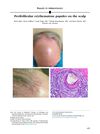 January 2016 in “Journal of The American Academy of Dermatology”
 The woman has a type of scarring hair loss with red bumps around hair follicles.
 2 citations
,
July 2020 in “Giornale italiano di dermatologia e venereologia”
2 citations
,
July 2020 in “Giornale italiano di dermatologia e venereologia” A woman with frontal fibrosing alopecia experienced unusual hair growth after using a specific topical lotion.
 November 2015 in “European journal of dermatology/EJD. European journal of dermatology”
 A 55-year-old woman with several health conditions did not see hair regrowth after a transplant.
 7 citations
,
April 2021 in “Journal of The American Academy of Dermatology”
7 citations
,
April 2021 in “Journal of The American Academy of Dermatology” Hair loss (telogen effluvium) cases rose during the pandemic, especially in Hispanic and non-White groups, and were linked to other health issues and COVID-19.
 February 2024 in “PubMed”
 More people experience hair loss after recovering from COVID-19 in hospitals than in outpatient settings.
 January 2019 in “Elsevier eBooks”
 Different hair disorders have specific treatments and outcomes, with some resolving on their own and others requiring medication or emotional support.
8 citations
,
January 2002 in “Piel” Postmenopausal women may experience frontal hairline and eyebrow loss due to cicatricial fibrosis.
 September 2024 in “Clinical and Experimental Dermatology”
 COVID-19 increased hair loss cases, but vaccination did not.
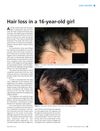 November 2014 in “Prescriber”
 The 16-year-old girl with hair loss was successfully treated for alopecia areata, leading to significant hair regrowth.
 56 citations
,
January 2001 in “Dermatology”
56 citations
,
January 2001 in “Dermatology” Teloptosis is a key point in hair loss that could help in creating prevention-focused hair care strategies.
 June 2024 in “Archives of dermatological research”
 Targeted testing for telogen effluvium patients can save healthcare costs.
 9 citations
,
September 2018 in “Clinical, Cosmetic and Investigational Dermatology”
9 citations
,
September 2018 in “Clinical, Cosmetic and Investigational Dermatology” One supplement improved hair loss and quality faster and more effectively than the other in treating telogen effluvium.
 6 citations
,
June 2004 in “Dermatologic Surgery”
6 citations
,
June 2004 in “Dermatologic Surgery” A woman had temporary hair loss after a facelift, which improved on its own within a year.
 January 2018 in “The Sewanee Review”
 The poem reflects on hair loss, health concerns, and introspection.
 July 2004 in “Dermatologic Surgery”
 A woman had temporary hair loss due to a stress-related condition after a facelift.
 August 2025 in “European Journal of Dermatology”
 Telogen effluvium negatively affects quality of life, increasing stress, depression, and anxiety.
 July 2020 in “مجله كليه طب الكندي”
 Low iron levels and obesity are linked to chronic hair loss in women.
 April 2025 in “Egyptian Journal of Medical Research”
 People with Telogen Effluvium have lower vitamin D levels.
3 citations
,
September 1994 in “Indian Journal of Dermatology, Venereology and Leprology” Hair loss in women was often caused by stress, illness, childbirth, or low hemoglobin, with most cases being telogen effluvium.
 1 citations
,
March 2020 in “QJM: An International Journal of Medicine”
1 citations
,
March 2020 in “QJM: An International Journal of Medicine” Lactoferrin levels are lower in people with chronic hair shedding, suggesting supplements could help treat it.
 61 citations
,
January 2013 in “Indian Journal of Dermatology, Venereology and Leprology”
61 citations
,
January 2013 in “Indian Journal of Dermatology, Venereology and Leprology” Hair usually grows back 1-3 months after treatment for anagen effluvium, and children with Loose Anagen Hair Syndrome often improve by adolescence.
December 2016 in “Anales del sistema sanitario de Navarra” Frontal fibrosing alopecia is increasing, especially in postmenopausal women, and treatment with finasteride can improve it.
 January 2000 in “대한피부과학회지”
 Hair loss was most commonly due to alopecia areata, androgenetic alopecia, and telogen effluvium, with a higher number of cases in the 1990s and equal occurrence in men and women.
 1 citations
,
April 2022 in “Revista Da Associacao Medica Brasileira”
1 citations
,
April 2022 in “Revista Da Associacao Medica Brasileira” COVID-19 can cause different types of hair loss, and proper diagnosis by a specialist may be needed.
 August 2023 in “Benha Journal of Applied Sciences”
 COVID-19 survivors working in healthcare may experience temporary hair loss.
 August 2025 in “Research Square (Research Square)”
 High TNF-α levels may increase hair loss risk after PRP therapy.