54 citations
,
November 2007 in “Actas Dermo-Sifiliográficas” Early diagnosis of frontal fibrosing alopecia is crucial to prevent permanent hair loss.
3 citations
,
March 2022 in “Archives of Dermatological Research”  January 2025 in “Indian Journal of Dermatology”
 Frontal fibrosing alopecia is a challenging hair loss condition with no known cause or definitive treatment.
 26 citations
,
June 2018 in “Australasian Journal of Dermatology”
26 citations
,
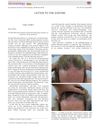
June 2018 in “Australasian Journal of Dermatology” Stopping sunscreen use on the forehead led to hair regrowth in a woman with frontal fibrosing alopecia.
September 2012 in “DOAJ (DOAJ: Directory of Open Access Journals)”  1 citations
,
January 1967 in “The BMJ”
1 citations
,
January 1967 in “The BMJ” The document concludes that while some hair and scalp disorders can be treated, hair loss from destroyed follicles is permanent, and damaged hair can only regrow naturally.
 September 2003 in “Clinics in Family Practice”
 Different hair diseases affect people during childbearing years, with treatments ranging from medication to psychological support.
 April 2023 in “Journal of Investigative Dermatology”
 People who had severe COVID-19 are more likely to experience hair loss.
 February 2011 in “Journal of the American Academy of Dermatology”
 A 60-year-old man with a long-term balding condition also developed a rare hair loss condition usually seen in postmenopausal women.
 2 citations
,
November 1998 in “Journal of The European Academy of Dermatology and Venereology”
2 citations
,
November 1998 in “Journal of The European Academy of Dermatology and Venereology” A patient with a severe type of hair loss experienced partial hair regrowth after treatment with a specific light therapy and a medication called interferon α2a.
 2 citations
,
May 2022 in “JAAD Case Reports”
2 citations
,
May 2022 in “JAAD Case Reports” A woman lost all her hair after mild COVID-19, but it started to regrow after treatment with a specific medication.
 29 citations
,
August 2008 in “Current Opinion in Pediatrics”
29 citations
,
August 2008 in “Current Opinion in Pediatrics” Hair loss in teenagers is hard to treat and lacks a cure, with some treatments available depending on the type of hair loss.

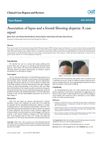
Aluminum phosphide poisoning can cause horizontal nail grooves and hair loss.
 January 2020 in “Clinical Case Reports and Reviews”
 Lupus and frontal fibrosing alopecia may share a common cause.
 December 2015 in “Actas Dermo-Sifiliográficas”
 Hair transplantation for Frontal Fibrosing Alopecia may work if the disease is inactive for 2 years and with ongoing treatment to maintain results.
 5 citations
,
May 2021 in “International Journal of Infectious Diseases”
5 citations
,
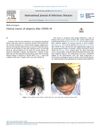
May 2021 in “International Journal of Infectious Diseases” A man experienced hair loss after getting COVID-19, which improved with treatment and might have been triggered by stress related to the illness.
3 citations
,
June 2016 in “JEADV. Journal of the European Academy of Dermatology and Venereology/Journal of the European Academy of Dermatology and Venereology” A patient with hair loss condition grew excessive hair in areas covered by a cast.
 August 2021 in “Journal of Investigative Dermatology”
 Stress causes hair loss by making the body produce cortisol, which stops hair cells from growing.
August 2025 in “Journal of the American Academy of Dermatology”  March 2024 in “Advancements in Homeopathic Research”
 Homoeopathy has helped treat hair loss after Covid-19, considering the patient's overall condition.
53 citations
,
June 2019 in “JEADV. Journal of the European Academy of Dermatology and Venereology/Journal of the European Academy of Dermatology and Venereology” Frontal fibrosing alopecia mainly affects postmenopausal women and may be linked to thyroid hormones.
 November 2025 in “International Journal of Science and Research (IJSR)”
 Homeopathy helped a 12-year-old girl regrow hair after typhoid.

Glass ceiling syndrome is linked to stress-related hair loss in female healthcare workers.
1 citations
,
September 2022 in “Journal of the Egyptian Womenʼs Dermatologic Society” A rare scalp infection in a 66-year-old woman was successfully treated, leading to full hair regrowth.
 October 2020 in “International Journal of Research in Dermatology”
 The review suggests more research is needed to understand Frontal fibrosing alopecia, a condition causing hairline recession in postmenopausal women.
 April 2016 in “Plastic and reconstructive surgery. Global open”
 Tafluprost could be a potential treatment for hair loss by promoting hair growth phase changes.
 5 citations
,
December 2019 in “JAAD Case Reports”
5 citations
,
December 2019 in “JAAD Case Reports” A woman experienced rapid hair loss after taking albendazole, but it started to improve when she stopped the medication.
 September 2021 in “CRC Press eBooks”
 Alopecia areata incognita causes sudden hair thinning, responds well to steroids, and is more common in those with genetic hair loss conditions.
 7 citations
,
October 2015 in “Actas Dermo-Sifiliográficas”
7 citations
,
October 2015 in “Actas Dermo-Sifiliográficas” New treatments for Frontal Fibrosing Alopecia show promise, especially finasteride and dutasteride, with most patients seeing improvement or stabilization.
 July 2018 in “Elsevier eBooks”
 Frontal Fibrosing Alopecia is a type of hair loss affecting mostly older women, with no agreed best treatment.