November 2021 in “Медицинский алфавит” COVID-19 can cause temporary hair loss due to stress and inflammation.
 January 2026 in “Dermatology and Therapy”
 General anesthesia might be linked to certain types of hair loss, but more research is needed.
 7 citations
,
June 2019 in “Australasian Journal of Dermatology”
7 citations
,
June 2019 in “Australasian Journal of Dermatology” Elderly men with a scalp condition healed in about 26 days using specific creams and dressings, with no return of the condition in 6 months.
 August 2017 in “DOAJ (DOAJ: Directory of Open Access Journals)”
 The complex treatment for hair loss was found to be effective.
 2 citations
,
January 2018 in “DOAJ (DOAJ: Directory of Open Access Journals)”
2 citations
,
January 2018 in “DOAJ (DOAJ: Directory of Open Access Journals)” The most effective way to diagnose non-scarring hair loss is by transverse sectioning, and some cases, particularly in males with inflammation around hair follicles, might be curable.
 January 2019 in “Jui rinsho hifuka”
 A dog's hair loss was caused by a hormone-secreting testicular tumor.
 47 citations
,
July 2005 in “British Journal of Dermatology”
47 citations
,
July 2005 in “British Journal of Dermatology” Topical vitamin D3 does not prevent hair loss from chemotherapy.
 February 2024 in “Journal of Pakistan Medical Association”
 Low zinc levels in hair and serum are linked to chronic hair loss.
 43 citations
,
March 2006 in “Seminars in Cutaneous Medicine and Surgery”
43 citations
,
March 2006 in “Seminars in Cutaneous Medicine and Surgery” Different types of hair loss have unique features under a microscope, but a doctor's exam is important for accurate diagnosis.
 2 citations
,
March 2021 in “Dermatologic Therapy”
2 citations
,
March 2021 in “Dermatologic Therapy” Low-level laser therapy helps increase hair growth in female pattern hair loss but not in telogen effluvium.
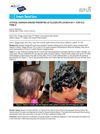 May 2021 in “Journal of the American College of Cardiology”
 An 11-year-old girl with Kawasaki disease experienced hair loss that improved after treatment.

Psychosocial distress significantly contributes to hair loss in patients with pressure ulcers after hospital discharge.
 June 2022 in “Plastic and Reconstructive Surgery – Global Open”
 Stem cell serum effectively treated hair loss caused by COVID-19.
 January 2019 in “SAGE Open Medical Case Reports”
 A scalp biopsy revealed systemic amyloidosis in a woman who initially seemed to have a common hair loss condition.
 53 citations
,
May 2010 in “Dermatologic Surgery”
53 citations
,
May 2010 in “Dermatologic Surgery” Hair transplantation may not work for Frontal Fibrosing Alopecia as transplanted hair was lost when the disease came back.
January 2016 in “Indian dermatology online journal” The patient has frontal fibrosing alopecia (FFA).
 7 citations
,
August 2018 in “The American Journal of Dermatopathology”
7 citations
,
August 2018 in “The American Journal of Dermatopathology” Researchers found a new early sign of Frontal Fibrosing Alopecia that could help avoid misdiagnosis.
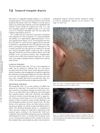 April 2012 in “Informa Healthcare eBooks”
 Temporal triangular alopecia is a lifelong condition with hairless patches on the side of the head that may be present from birth.
4 citations
,
June 2017 in “Annales de dermatologie et de vénéréologie” The study found that a specific type of hair loss is increasingly common in premenopausal women and can be effectively diagnosed and treated with various medications.
 2 citations
,
February 2021 in “The Journal of clinical and aesthetic dermatology”
2 citations
,
February 2021 in “The Journal of clinical and aesthetic dermatology” Understanding the cause of bitemporal hair loss is key to deciding the right treatment.
 63 citations
,
October 2005 in “Archives of Dermatology”
63 citations
,
October 2005 in “Archives of Dermatology” Shorter, thinner hairs indicate AGA, while longer, thicker hairs suggest CTE; counting and measuring shed hairs helps diagnose hair loss type.
November 2009 in “Hair transplant forum international” Early diagnosis and personalized treatment are crucial for managing Female Pattern Hair Loss in women.
 8 citations
,
September 2011 in “European Journal of Dermatology”
8 citations
,
September 2011 in “European Journal of Dermatology” Most treatments for Frontal Fibrosing Alopecia are ineffective, but early anti-inflammatory therapy may help and the condition may stabilize over time.
35 citations
,
September 2011 in “The Journal of Dermatology” Trichoscopy helps accurately diagnose temporal triangular alopecia.
 January 2015 in “Indian Dermatology Online Journal”
 The patient's hair loss is most likely due to diffuse alopecia areata.
January 2020 in “Revista Dermatológica Centro Uraga” Recognizing trichoscopic features is crucial for diagnosing various hair loss conditions.
 2 citations
,
February 2023 in “Vaccines”
2 citations
,
February 2023 in “Vaccines” Some people experienced hair loss after COVID-19 vaccination, but it's very rare and vaccines' benefits are greater than this risk.
 20 citations
,
March 2006 in “Seminars in Cutaneous Medicine and Surgery”
20 citations
,
March 2006 in “Seminars in Cutaneous Medicine and Surgery” Minoxidil and finasteride can help with hair loss, but more research is needed to improve treatments for certain types of hair loss.
 37 citations
,
January 1997 in “Clinics in Dermatology”
37 citations
,
January 1997 in “Clinics in Dermatology” Hair problems are common and distressing for women, but increasing knowledge of treatments offers hope.

Isotretinoin reduced inflammation in tufted hair folliculitis, but hair tufting remained.