 13 citations
,
March 2002 in “Pediatric Dermatology”
13 citations
,
March 2002 in “Pediatric Dermatology” A child was initially wrongly diagnosed with a fungal scalp infection but actually had a non-scarring hair loss condition called Temporal Triangular Alopecia.
December 2025 in “Journal of Investigative Dermatology” Immune system issues may contribute to female pattern hair loss.
 September 2024 in “Journal of Health and Rehabilitation Research”
 COVID-19 is linked to temporary hair loss, especially in women.
 July 2015 in “Journal of the Dermatology Nurses’ Association”
 A 66-year-old woman experienced hair loss due to Frontal Fibrosing Alopecia, a condition with no consistently effective treatment, but it usually stabilizes over time. More research is needed for better understanding and treatment options.
 15 citations
,
August 2019 in “Dermatologic Therapy”
15 citations
,
August 2019 in “Dermatologic Therapy” Platelet-rich plasma (PRP) may help treat hair loss in patients with frontal fibrosing alopecia who don't respond to other treatments.
 February 2025 in “Cureus”
 Hair transplants can rarely cause scalp inflammation leading to hair loss, needing early detection and treatment.
December 2025 in “JURNAL ILMU KEDOKTERAN DAN KESEHATAN” Plum blossom acupuncture and electroacupuncture improved hair growth and quality of life in a woman with chronic hair loss.
January 2020 in “JAAD case reports” Hair loss condition FFA was seen before the appearance of skin depigmentation vitiligo in a patient.
 1 citations
,
June 2022 in “PubMed”
1 citations
,
June 2022 in “PubMed” Alopecia causes hair loss and should be treated early, especially scarring types where hair cannot regrow.
 8 citations
,
May 2020 in “Anais Brasileiros de Dermatologia”
8 citations
,
May 2020 in “Anais Brasileiros de Dermatologia” Higher levels of ischemia-modified albumin in telogen effluvium patients may indicate oxidative stress.
July 2019 in “Medical Science and Discovery” Early diagnosis and treatment can prevent or delay frontal fibrosing alopecia progression in postmenopausal women.

Early combination therapy can effectively regrow hair in frontal fibrosing alopecia.
 November 2009 in “Actas dermo-sifiliográficas/Actas dermo-sifiliográficas”
 Hair transplantation effectively treated a bald patch in an 18-year-old woman with Temporal Triangular Alopecia.

Integrative hair therapy improved hair loss and regrowth.
 35 citations
,
September 2017 in “PubMed”
35 citations
,
September 2017 in “PubMed” The document concludes that hair loss has many causes and treatments vary, including medication for pattern baldness and addressing underlying issues for other types.
 166 citations
,
April 2012 in “Journal of The American Academy of Dermatology”
166 citations
,
April 2012 in “Journal of The American Academy of Dermatology” Mostly postmenopausal Caucasian women get Frontal Fibrosing Alopecia, which often includes eyebrow loss and has limited treatment success.
 2 citations
,
February 2021 in “The Pediatric Infectious Disease Journal”
2 citations
,
February 2021 in “The Pediatric Infectious Disease Journal” Hair loss may be a delayed side effect of Multisystem Inflammatory Syndrome in children after COVID-19.
14 citations
,
January 2016 in “International Journal of Trichology” Many women with hair loss also have thyroid issues, high blood pressure, and low Vitamin D.
 May 2026 in “Journal of Basic and Clinical Health Sciences”
 FAGA shows varied hair thickness, while TE has more empty follicles.
 March 2026 in “Frontiers in Medicine”
 Different types of alopecia cause hair loss due to immune system issues, with some allowing regrowth and others causing permanent loss.
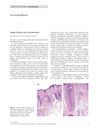 5 citations
,
March 2012 in “Clinical and Experimental Dermatology”
5 citations
,
March 2012 in “Clinical and Experimental Dermatology” A woman experienced temporary hair loss after taking albendazole, which resolved on its own within 3 months.
 September 2022 in “Journal of The American Academy of Dermatology”
 Different types of hair loss are linked to COVID-19, with some types possibly increasing risk of getting the virus, while others may be triggered or worsened by the virus.
 December 2024 in “Brazilian Journal of Hair Health”
 Treating both bipolar disorder and hair-related BDD with psychiatric medications improved the patient's symptoms.
1 citations
,
June 2025 in “Journal of Clinical Medicine” Frontal fibrosing alopecia often occurs after menopause, with delayed diagnosis and possible links to certain medications and conditions.
 1 citations
,
October 2013 in “The Journal of Dermatology”
1 citations
,
October 2013 in “The Journal of Dermatology” Hair loss in a drug reaction case involved both a common shedding phase and an immune attack on hair follicle stem cells.
November 2012 in “Annales de Dermatologie et de Vénéréologie” Frontal fibrosing alopecia can occur in children, not just postmenopausal women.
 5 citations
,
March 2015 in “Clinical and Experimental Dermatology”
5 citations
,
March 2015 in “Clinical and Experimental Dermatology” Chemotherapy caused a woman's permanent hair loss and early menopause.
 November 2025 in “Dermatology and Therapy”
 The drinkable supplement increased hair growth and was safe for women with hair loss.
5 citations
,
October 2019 in “JAAD Case Reports” These hair loss conditions might be part of a spectrum, not separate issues.
 23 citations
,
November 2018 in “Journal of the European Academy of Dermatology and Venereology”
23 citations
,
November 2018 in “Journal of the European Academy of Dermatology and Venereology” The study concluded that severity of Frontal fibrosing alopecia is not linked to how long someone has it, can start before menopause, and eyebrow loss may be an early sign.