 4 citations
,
March 2021 in “International Journal of Dermatology”
4 citations
,
March 2021 in “International Journal of Dermatology” COVID-19 and related stress may increase hair loss known as Telogen effluvium.
 August 2025 in “Journal of the Pakistan Medical Association”
 COVID-19 often causes hair loss, especially in women.
 11 citations
,
May 1976 in “Archives of Dermatology”
11 citations
,
May 1976 in “Archives of Dermatology” Starving yourself can cause hair loss, but stopping the diet can improve it.
 1 citations
,
April 2023 in “American Journal of Clinical Dermatology”
1 citations
,
April 2023 in “American Journal of Clinical Dermatology” Chronic telogen effluvium may not be a unique condition and could be confused with other types of hair loss.
 10 citations
,
April 1976 in “Archives of Dermatology”
10 citations
,
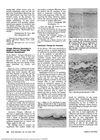
April 1976 in “Archives of Dermatology” A woman's significant hair loss was linked to rapid weight loss and hormone injections.
 June 2022 in “Research, Society and Development”
 COVID-19 may cause increased hair loss, but the exact reason is unclear and standard hair loss treatments are recommended.
 19 citations
,
January 2019 in “International Journal of Trichology”
19 citations
,
January 2019 in “International Journal of Trichology” Indian dermatologists recommend treating common hair loss with a balanced diet, stress reduction, mild shampoos, and sometimes minoxidil and supplements.
 November 2022 in “Journal of clinical images and medical case reports”
 COVID-19 can cause hair loss in both severe and mild cases, often affecting women.
 32 citations
,
July 2021 in “Journal of The American Academy of Dermatology”
32 citations
,
July 2021 in “Journal of The American Academy of Dermatology” Hair loss from COVID-19 usually starts around 45 days after infection and lasts about 47.5 days.
 2 citations
,
December 2021 in “Dermatology Online Journal”
2 citations
,
December 2021 in “Dermatology Online Journal” COVID-19 has increased hair loss, but many patients see regrowth within months.
 4 citations
,
January 2015 in “Annals of Dermatology”
4 citations
,
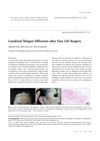
January 2015 in “Annals of Dermatology” A woman's temporary hair loss after face lift surgery stopped on its own, and hair grew back.
 13 citations
,
October 2013 in “Dermatologic Therapy”
13 citations
,
October 2013 in “Dermatologic Therapy” ATE is linked to FAA, and treatment depends on cause; minoxidil helps, finasteride may worsen.
 10 citations
,
October 2002 in “Journal of The American Academy of Dermatology”
10 citations
,
October 2002 in “Journal of The American Academy of Dermatology” The document concludes that a man's long hair may have helped diagnose his rare case of chronic hair shedding, for which no treatment is advised.
 February 2025 in “Journal of Cosmetic Dermatology”
 Ferritin and vitamin B12 deficiencies are common causes of hair loss in women aged 18-45.
 1 citations
,
January 2017 in “Yonsei Medical Journal”
1 citations
,
January 2017 in “Yonsei Medical Journal” Hair is thinner near the scalp in acute hair shedding conditions.
 January 2018 in “International journal of medical biochemistry”
 Women with telogen effluvium have lower levels of iron, folate, and vitamin B12.
 8 citations
,
February 2022 in “Journal of Clinical Medicine”
8 citations
,
February 2022 in “Journal of Clinical Medicine” Many COVID-19 patients experience temporary hair loss after infection, not linked to infection severity or treatment.
 2 citations
,
July 2023 in “Life”
2 citations
,
July 2023 in “Life” COVID-19 can cause temporary hair loss, which is commonly reversible with treatment.
 July 2017 in “The American Journal of Cosmetic Surgery”
 A patient's hair loss after a browlift surgery improved on its own over 8 months.
 January 2023 in “Skin appendage disorders”
 Hair loss can occur in the area where hair was taken for a transplant.
January 2006 in “The Year book of dermatology” 
A unified approach is needed to better diagnose and manage Telogen Effluvium, focusing on education, empathy, and safe treatments.
 22 citations
,
October 2021 in “Dermatologic Therapy”
22 citations
,
October 2021 in “Dermatologic Therapy” COVID-19 may cause temporary hair loss in some people.
 4 citations
,
June 2022 in “Indian Dermatology Online Journal”
4 citations
,
June 2022 in “Indian Dermatology Online Journal” COVID-19 may cause temporary hair loss due to direct damage to hair follicles, but it usually gets better on its own.
 3 citations
,
April 2021 in “Revista da Sociedade Portuguesa de Dermatologia e Venereologia”
3 citations
,
April 2021 in “Revista da Sociedade Portuguesa de Dermatologia e Venereologia” Some people who got COVID-19 experienced temporary hair loss starting around 10 weeks after infection, with many seeing improvement within about 25 days.
 1 citations
,
January 2022 in “Skin appendage disorders”
1 citations
,
January 2022 in “Skin appendage disorders” Hair shedding after childbirth can reveal a pre-existing condition of hair loss due to tight hairstyles.
 40 citations
,
May 2010 in “Australasian Journal of Dermatology”
40 citations
,
May 2010 in “Australasian Journal of Dermatology” Chronic hair shedding may be caused by less variation in hair growth times and might stop on its own after several years.
 7 citations
,
January 2015 in “Current problems in dermatology”
7 citations
,
January 2015 in “Current problems in dermatology” Hair loss can be caused by stress, infections, drugs, and various diseases, with treatment depending on accurate diagnosis.
The document concludes that severe trauma can cause temporary hair loss, known as Telogen Effluvium, which usually resolves without treatment.
 44 citations
,
January 2021 in “Dermatologic Therapy”
44 citations
,
January 2021 in “Dermatologic Therapy” COVID-19 may cause hair loss due to infection stress or treatments.