 151 citations
,
February 2007 in “International Journal of Dermatology”
151 citations
,
February 2007 in “International Journal of Dermatology” Alopecia areata causes hair loss, has no cure, and various treatments exist.
 37 citations
,
May 1999 in “Australasian Journal of Dermatology”
37 citations
,
May 1999 in “Australasian Journal of Dermatology” Early diagnosis and treatment are crucial for preventing permanent hair loss in various scalp conditions, and while new treatments are promising, more research is needed to evaluate their effectiveness.
 12 citations
,
January 2011 in “Photodermatology, photoimmunology & photomedicine”
12 citations
,
January 2011 in “Photodermatology, photoimmunology & photomedicine” This therapy effectively treats resistant alopecia areata with minimal side effects.
 9 citations
,
September 2009 in “Journal of Cutaneous Medicine and Surgery”
9 citations
,
September 2009 in “Journal of Cutaneous Medicine and Surgery” UV light causes skin color loss in bald areas; wear a cap and use sunscreen.
 9 citations
,
June 1959 in “Archives of dermatology”
9 citations
,
June 1959 in “Archives of dermatology” Hair can darken after inflammation and then return to its original color.
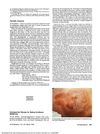 6 citations
,
March 1990 in “Archives of Dermatology”
6 citations
,
March 1990 in “Archives of Dermatology” Sam Shuster identified three types of hair loss in psoriasis and emphasized the need for better research to understand them.
 2 citations
,
January 2019 in “Case Reports in Dermatology”
2 citations
,
January 2019 in “Case Reports in Dermatology” A 66-year-old woman's thick scalp and hair loss were confirmed as lipedematous alopecia, a rare condition possibly influenced by genetics, with no effective treatment known.
 November 2025 in “Bioscientia Medicina Journal of Biomedicine and Translational Research”
 A combined treatment with microneedling and vitamin D3 led to complete hair regrowth in a woman with stubborn patch alopecia areata.
 May 2017 in “InTech eBooks”
 Hair pulling disorder is treated with therapy and medication; hair loss from tension can be reversed if caught early.
 February 2009 in “Journal of The American Academy of Dermatology”
 Fractional infrared technology is effective and safe for treating cervical laxity.
 August 2005 in “British journal of dermatology/British journal of dermatology, Supplement”
 Melatonin may help treat hair loss and needs more research.
 1 citations
,
June 2017 in “Journal of The American Academy of Dermatology”
1 citations
,
June 2017 in “Journal of The American Academy of Dermatology” Topical treatment SM04554 safely promotes hair growth in male baldness.
 December 2025 in “International Journal of Innovative Technologies in Social Science”
 Effective treatments for hair loss include minoxidil, 5α-reductase inhibitors, and personalized combination therapies.
 February 2025 in “Cureus”
 Early diagnosis and treatment of NCCAH can improve symptoms and fertility.
 December 2023 in “International journal of multidisciplinary research and analysis”
 SH-MSCs gel can effectively treat alopecia by increasing IL-10 and decreasing TNF-α gene expression.
 March 2021 in “Journal of Maxillofacial and Oral Surgery”
 Beard hair can be used for hair transplants in severe alopecia cases, with minimal complications and good results.
January 2020 in “Dermatology Review” Early diagnosis and treatment are crucial for managing alopecia areata, morphea, and psoriasis.
 July 2008 in “British Journal of Dermatology”
 Cyclosporin doesn't stop hair loss.
 29 citations
,
June 2013 in “Journal of the Saudi Society of Dermatology & Dermatologic Surgery”
29 citations
,
June 2013 in “Journal of the Saudi Society of Dermatology & Dermatologic Surgery” Alopecia areata is an autoimmune hair loss condition treated with corticosteroids, and histologic confirmation is the best diagnosis method.
 5 citations
,
March 2014 in “Journal of The American Academy of Dermatology”
5 citations
,
March 2014 in “Journal of The American Academy of Dermatology” The study suggests hormonal factors may play a role in Frontal Fibrosing Alopecia and that treatments like oral antiandrogens and steroids could be beneficial.
 January 2026 in “International Research Journal of Modernization in Engineering Technology and Science”
 Alopecia areata causes patchy hair loss and is often treated with corticosteroids.
 41 citations
,
February 2001 in “Current pharmaceutical design”
41 citations
,
February 2001 in “Current pharmaceutical design” Current and future treatments for alopecia areata focus on immunosuppression, immunomodulation, and protecting hair follicles.
 27 citations
,
December 2015 in “Clinical and Experimental Dermatology”
27 citations
,
December 2015 in “Clinical and Experimental Dermatology” Diphencyprone helped most patients with alopecia areata regrow some hair.
 8 citations
,
August 2019 in “Dermatologic surgery”
8 citations
,
August 2019 in “Dermatologic surgery” Nonsteroid treatments for alopecia areata show promise but need more high-quality research.
 8 citations
,
June 2019 in “Journal of Cosmetic Dermatology”
8 citations
,
June 2019 in “Journal of Cosmetic Dermatology” Using a nonablative fractional laser with topical minoxidil can effectively and safely promote hair regrowth in alopecia areata patients.
 1 citations
,
May 2017 in “Journal of the American Academy of Dermatology”
1 citations
,
May 2017 in “Journal of the American Academy of Dermatology” Oral tofacitinib may be an effective and tolerable treatment for some people with severe alopecia areata.
Antimalarial agents are effective for LPP, and intralesional steroids are effective for FFA.
 28 citations
,
July 2002 in “Australasian Journal of Dermatology”
28 citations
,
July 2002 in “Australasian Journal of Dermatology” Lupus can look like hair loss from alopecia areata but needs different treatment.
 2 citations
,
March 2015 in “Expert opinion on orphan drugs”
2 citations
,
March 2015 in “Expert opinion on orphan drugs” New treatments for hair loss show promise but need more research to confirm safety and effectiveness.
 June 2026 in “Frontiers in Immunology”
 Upadacitinib effectively treated severe atopic dermatitis, vitiligo, and alopecia areata in one patient.