
Frontal fibrosing alopecia can be managed with personalized combination therapies, but no cure exists yet.
 September 2024 in “Cutis”
 Sunscreen use may increase the risk of frontal fibrosing alopecia.

Clinical signs don't match inflammation levels in lichen planopilaris and frontal fibrosing alopecia.
 September 2021 in “Revista Interdisciplinar em Saúde”
 Oral isotretinoína effectively stabilizes frontal fibrosing alopecia.

Antimalarial agents are effective for LPP, and intralesional steroids are effective for FFA.

Lichen planopilaris and frontal fibrosing alopecia are likely the same disease with different clinical appearances.
 November 2012 in “South African Family Practice”
 The article concludes that early treatment of alopecia is crucial to prevent permanent hair loss.
 99 citations
,
July 2017 in “Clinical Reviews in Allergy & Immunology”
99 citations
,
July 2017 in “Clinical Reviews in Allergy & Immunology” New treatments for Alopecia Areata show promise but need to be more effective and affordable.
 87 citations
,
March 2011 in “Australasian Journal of Dermatology”
87 citations
,
March 2011 in “Australasian Journal of Dermatology” Genetics and hormones play a role in male and female hair loss, but more research is needed to fully understand it.
 85 citations
,
October 2012 in “Dermatologic Clinics”
85 citations
,
October 2012 in “Dermatologic Clinics” Alopecia Areata is an autoimmune condition often starting before age 20, with varied treatment success and a need for personalized treatment plans.
 63 citations
,
May 2017 in “American Journal of Clinical Dermatology”
63 citations
,
May 2017 in “American Journal of Clinical Dermatology” People with alopecia areata often have lower levels of vitamin D, zinc, and folate, but more research is needed to understand if supplements can help treat it.
 56 citations
,
March 2010 in “Journal of Dermatology”
56 citations
,
March 2010 in “Journal of Dermatology” Most cases of Temporal Triangular Alopecia are found in early childhood and may be related to genetic conditions.
 51 citations
,
January 2004 in “Skin Pharmacology and Physiology”
51 citations
,
January 2004 in “Skin Pharmacology and Physiology” The document explains hair growth and shedding, factors affecting it, and methods to evaluate hair loss, emphasizing the importance of skin biopsy for diagnosis.
 48 citations
,
September 2013 in “Oncologist”
48 citations
,
September 2013 in “Oncologist” Endocrine therapies for cancer significantly increase the risk of hair loss.
 46 citations
,
May 1997 in “British journal of dermatology/British journal of dermatology, Supplement”
46 citations
,
May 1997 in “British journal of dermatology/British journal of dermatology, Supplement” Vitiligo is not linked to coeliac disease, but a small number of alopecia areata patients may have it, suggesting they should be tested for coeliac disease.
 44 citations
,
September 2015 in “Annals of Oncology”
44 citations
,
September 2015 in “Annals of Oncology” Targeted cancer therapies have a significant but lower risk of causing hair loss compared to chemotherapy.
 36 citations
,
November 2018 in “American Journal of Clinical Dermatology”
36 citations
,
November 2018 in “American Journal of Clinical Dermatology” Alopecia is linked to various health and mental conditions, impacts life quality, and needs medical attention beyond its cosmetic effects.
 34 citations
,
January 2018 in “International Journal of Dermatology”
34 citations
,
January 2018 in “International Journal of Dermatology” Scalp cooling is the most effective FDA-approved method to prevent chemotherapy-induced hair loss, but more research is needed for other treatments.
 28 citations
,
July 2017 in “Expert Review of Anticancer Therapy”
28 citations
,
July 2017 in “Expert Review of Anticancer Therapy” Breast cancer patients taking CDK4/6 inhibitors are more likely to experience fatigue, hair loss, and mouth sores.
 21 citations
,
January 2015 in “Oncology Research and Treatment”
21 citations
,
January 2015 in “Oncology Research and Treatment” Scalp cooling can prevent hair loss in 65% of chemotherapy patients, especially effective in breast cancer patients and certain chemotherapy types.
 21 citations
,
February 2012 in “Journal of the European Academy of Dermatology and Venereology”
21 citations
,
February 2012 in “Journal of the European Academy of Dermatology and Venereology” Late-onset alopecia areata in Taiwanese patients is more common in women, usually starts at age 57, often involves less than 10% hair loss, and may have a minimal link to thyroid issues.
 19 citations
,
July 2020 in “Journal of cancer survivorship”
19 citations
,
July 2020 in “Journal of cancer survivorship” People undergoing chemotherapy need better support and information to cope with hair loss.
 15 citations
,
January 2015 in “Skin Pharmacology and Physiology”
15 citations
,
January 2015 in “Skin Pharmacology and Physiology” Parathyroid hormones are important for hair growth, but their use in treating hair loss from chemotherapy is still uncertain.
 15 citations
,
May 1997 in “Annals of Internal Medicine”
15 citations
,
May 1997 in “Annals of Internal Medicine” Tamoxifen caused hair loss in a 52-year-old woman.
 13 citations
,
June 2020 in “Journal of Dermatological Treatment”
13 citations
,
June 2020 in “Journal of Dermatological Treatment” Topical finasteride helps regrow hair and reduce hair loss in men and women.
 13 citations
,
September 2017 in “Skin appendage disorders”
13 citations
,
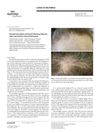
September 2017 in “Skin appendage disorders” Some women with Frontal Fibrosing Alopecia also have Lichen Planopilaris, which can lead to more symptoms and affect hair outside the scalp.
 13 citations
,
October 2013 in “Dermatologic Therapy”
13 citations
,
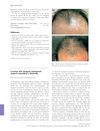
October 2013 in “Dermatologic Therapy” ATE is linked to FAA, and treatment depends on cause; minoxidil helps, finasteride may worsen.
 13 citations
,
February 2007 in “British Journal of Dermatology”
13 citations
,
February 2007 in “British Journal of Dermatology” EF and PXE not closely related.
 12 citations
,
January 2017 in “Skin appendage disorders”
12 citations
,
January 2017 in “Skin appendage disorders” Two patients with skin lupus were mistakenly thought to have a different scalp condition but improved with lupus treatment.
 11 citations
,
April 2020 in “Journal of Dermatological Treatment”
11 citations
,
April 2020 in “Journal of Dermatological Treatment” Taking oral isotretinoin with creams worked better for treating a type of hair loss than creams alone.