 January 2022 in “Przegla̧d dermatologiczny”
 The exact cause of frontal fibrosing alopecia is unknown, but it's not likely due to sunscreen.
 January 2020 in “Revista da Sociedade Portuguesa de Dermatologia e Venereologia”
 Frontal fibrosing alopecia in Brazil mostly affects postmenopausal women, often linked with hypothyroidism and eyebrow hair loss.
November 2021 in “CRC Press eBooks” Female androgenic alopecia causes hair thinning in women, especially after menopause, and affects their mental well-being.
 1 citations
,
July 2011 in “Climacteric”
1 citations
,
July 2011 in “Climacteric” Long-term estrogen therapy in postmenopausal women can improve certain health markers, hair loss is common regardless of hormone use, stopping estrogen doesn't increase breast cancer risk, smoking does, and a balanced BMI is linked to lower mortality.
 339 citations
,
February 2014 in “Journal of The American Academy of Dermatology”
339 citations
,
February 2014 in “Journal of The American Academy of Dermatology” Most patients with frontal fibrosing alopecia are postmenopausal women, and treatments like finasteride and dutasteride can improve or stabilize the condition.
 September 2023 in “Gynäkologische Endokrinologie”
 Menopause causes skin and hair to become drier and thinner, but hormone therapy can improve these conditions.
 April 2023 in “World Journal Of Advanced Research and Reviews”
 Cosmetic products or emotional factors might contribute to Frontal Fibrosing Alopecia, and trichoscopy is useful for diagnosis.
 August 2019 in “Journal of The American Academy of Dermatology”
 5% minoxidil foam effectively regrows hair in women, with postmenopausal women seeing the most improvement.
Early diagnosis and treatment of frontal fibrosing alopecia are crucial to prevent permanent hair loss.
 July 1989 in “British Journal of Dermatology”
 Minoxidil helps increase hair growth and density in people with hair loss, with higher concentrations giving better results.
Finasteride may help treat hair loss in postmenopausal women.
15 citations
,
May 2008 in “Actas Dermo-Sifiliográficas” Postmenopausal women with hair loss should get proper tests and consider treatments like minoxidil.
 June 2008 in “British Journal of Dermatology”
 UK medical students lack dermatology education, liver biopsy patients with risk factors show more fibrosis, and certain fungi resist drugs due to melanin; genetics may influence female hair loss.
 June 2006 in “British Journal of Dermatology”
 Lower adrenal hormone levels may cause hair loss in postmenopausal women, certain patterns help diagnose nail cancer, and a gene variant linked to higher skin cancer risk in kidney transplant patients suggests monitoring folate levels.
 September 2018 in “Dermatologic Therapy”
 Finasteride at 2.5mg/day may help postmenopausal women with hair loss.
 26 citations
,
June 2018 in “Australasian Journal of Dermatology”
26 citations
,
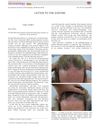
June 2018 in “Australasian Journal of Dermatology” Stopping sunscreen use on the forehead led to hair regrowth in a woman with frontal fibrosing alopecia.
 22 citations
,
January 2004 in “Dermatology”
22 citations
,
January 2004 in “Dermatology” Topical estrogen helps hair growth in menopausal women with no major side effects.
 17 citations
,
April 2006 in “Dermatologic Clinics”
17 citations
,
April 2006 in “Dermatologic Clinics” Older women face various skin issues like dryness and thinning, and treatments are available but can have side effects; proper skin care and legal health decisions are important.
11 citations
,
January 2021 in “Breast Care” Patients prioritize quality of life, overall survival, and progression-free survival in treatment decisions for advanced breast cancer.
 3 citations
,
February 2022 in “Cureus”
3 citations
,
February 2022 in “Cureus” Frontal fibrosing alopecia can sometimes look like syphilitic hair loss.
 1 citations
,
June 2011 in “Journal of The American Academy of Dermatology”
1 citations
,
June 2011 in “Journal of The American Academy of Dermatology” Iron deficiency is common in women regardless of hair loss, and treating it does not usually reverse hair loss.
December 2025 in “JEADV Clinical Practice” A woman with hair loss condition experienced rare hair color return, suggesting it might help diagnose the condition.
 July 2020 in “International Journal of Dermatology Venereology and Leprosy Sciences”
 Most postmenopausal women experience skin and hair issues, so regular check-ups are important.
December 2016 in “Anales del sistema sanitario de Navarra” Frontal fibrosing alopecia is increasing, especially in postmenopausal women, and treatment with finasteride can improve it.
 December 2013 in “대한피부과학회지”
 Korean women with female pattern hair loss have higher levels of ferritin, testosterone, and vitamin D than average.
 57 citations
,
January 2003 in “Clinical and experimental dermatology”
57 citations
,
January 2003 in “Clinical and experimental dermatology” Postmenopausal frontal fibrosing alopecia is a type of hair loss in postmenopausal women that may stop on its own but has no effective treatment.
 36 citations
,
September 2018 in “American Journal of Clinical Dermatology”
36 citations
,
September 2018 in “American Journal of Clinical Dermatology” Combination of 0.25% finasteride and 3% minoxidil works better than just 3% minoxidil for increasing hair thickness in women.

Non-drug treatments like saw palmetto, horsetail, pumpkin seed oil, curcumin, and addressing nutritional deficiencies may help female hair loss.
 6 citations
,
November 2007 in “British Journal of Dermatology”
6 citations
,
November 2007 in “British Journal of Dermatology” Fulvestrant solution doesn't help hair loss in men and postmenopausal women.
 January 2019 in “Skin appendage disorders”
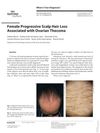
 A woman's hair loss was linked to a rare hormone-secreting ovarian tumor, treated with surgery and hair loss medication.