 March 2000 in “Aesthetic Surgery Journal”
 Hair transplantation techniques have improved and are beneficial for aesthetic surgery practices.
 10 citations
,
August 2022 in “International Journal of Molecular Sciences”
10 citations
,
August 2022 in “International Journal of Molecular Sciences” Leptin-deficient mice, used as a model for Type 2 Diabetes, have delayed wound healing due to impaired contraction and other dysfunctional cellular responses.
1 citations
,
July 2021 in “Frontiers in Oncology” Neoadjuvant endocrine therapy led to a better future outlook than chemotherapy, with no major quality of life differences.
 April 2007 in “Nature Clinical Practice Urology”
 TICE salvage chemotherapy is effective for treating germ-cell tumors with poor prognosis.
 2 citations
,
December 2013 in “Cancer Research”
2 citations
,
December 2013 in “Cancer Research” Some early breast cancer patients have long-term hair loss after chemotherapy, especially older and postmenopausal women.
1 citations
,
October 2019 in “Journal of Thoracic Oncology” Chemotherapy adds to, but doesn't enhance, the effects of immunotherapy in lung cancer treatment.
 March 2018 in “International journal of basic and clinical pharmacology”
 Carboplatin-paclitaxel is preferred for advanced lung cancer due to its balance of affordability and patient well-being.
 78 citations
,
March 2004 in “Annals of Oncology”
78 citations
,
March 2004 in “Annals of Oncology” The treatment combining docetaxel, cisplatin, and 5-FU is feasible and effective for advanced head and neck cancer.
21 citations
,
September 2015 in “International journal of gynaecology and obstetrics” Chemotherapy is crucial for treating gynecological cancers but requires careful management due to severe side effects.
 14 citations
,
January 2001 in “Current Treatment Options in Oncology”
14 citations
,
January 2001 in “Current Treatment Options in Oncology” Treat limited stage small cell lung cancer with chemotherapy and radiation, and consider preventive brain radiation for better survival chances.
 21 citations
,
August 2003 in “Seminars in oncology nursing”
21 citations
,
August 2003 in “Seminars in oncology nursing” Nurses are crucial in managing chemotherapy side effects for ovarian cancer patients to improve their quality of life.
6 citations
,
June 1983 in “Cancer” A six-drug treatment for metastatic breast cancer showed promising results with low side effects, especially in premenopausal women.
5 citations
,
July 2010 in “Archives of Internal Medicine” Prostaglandins may protect hair follicles during chemotherapy.
May 2026 in “Journal of Clinical Oncology” Later line chemotherapy causes severe side effects, impacting quality of life, but patients continue treatment to extend life and stay connected with loved ones.
1 citations
,
January 2022 in “Journal of Cancer Therapy” Ocoxin improves quality of life for advanced ovarian cancer patients on chemotherapy.
April 2026 in “Actas Dermo-Sifiliográficas” Scalp cooling and minoxidil can help manage hair loss after chemotherapy.
 September 2025 in “BULLETIN OF STOMATOLOGY AND MAXILLOFACIAL SURGERY”
 Better supportive care is needed to manage chemotherapy side effects.
1 citations
,
January 2024 in “The Journal of Dermatology” Taxane-based chemotherapy causes more hair loss and skin changes in Asian breast cancer patients.
 67 citations
,
May 2010 in “Journal of The American Academy of Dermatology”
67 citations
,
May 2010 in “Journal of The American Academy of Dermatology” Some chemotherapy can cause permanent hair loss.
1 citations
,
January 2012 in “Türk jinekoloji ve obstetrik derneði dergisi/Türk Jinekoloji ve Obstetrik Derneği dergisi” Most patients experienced significant but reversible hair loss during treatment.
5 citations
,
January 2025 in “Cancers” Improving treatment plans can reduce hair loss and improve life quality for ovarian cancer patients.
 3 citations
,
February 2005 in “Lung Cancer”
3 citations
,
February 2005 in “Lung Cancer” The new chemotherapy combination for advanced lung cancer showed a 35.7% response rate but caused significant side effects.
3 citations
,
April 2020 in “PubMed” Combining DEB-BACE with chemotherapy is more effective and has fewer side effects than chemotherapy alone for treating unresectable lung squamous cell carcinoma.
May 2015 in “Cancer research” After chemotherapy for early breast cancer, 33.4% of patients had long-term significant hair loss, with some hair regrowth over time, but treatments for hair loss were largely ineffective.
 12 citations
,
March 2016 in “Life Sciences”
12 citations
,
March 2016 in “Life Sciences” The new chemotherapy combination of WP 631 and Epothilone B shows enhanced effectiveness against ovarian cancer but requires more research on its safety.
 29 citations
,
August 2007 in “Annals of Oncology”
29 citations
,
August 2007 in “Annals of Oncology” Docetaxel and oxaliplatin are effective and have manageable side effects for recurrent platinum-sensitive ovarian cancer.

Chemotherapy for breast cancer often causes significant and lasting hair loss.
 December 2024 in “Cureus”
 Chemotherapy worsens nutritional status in breast cancer patients, requiring targeted nutritional strategies.
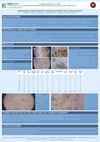
More research is needed to understand chemotherapy-induced hair loss and its phases.
 1 citations
,
September 2024 in “International Journal of Advanced Multidisciplinary Research and Studies”
1 citations
,
September 2024 in “International Journal of Advanced Multidisciplinary Research and Studies” Chemotherapy with carboplatin-paclitaxel causes hair loss in all patients.