 July 2022 in “The Egyptian Journal of Plastic and Reconstructive Surgery”
 Using Platelet Rich Plasma with hair transplants is effective for treating hair loss due to burns.
3 citations
,
August 2024 in “Journal of Cosmetic Dermatology” Combining laser therapy with hair extraction improves eyebrow scar treatment.
1 citations
,
May 2004 in “Hair transplant forum international” The method reduces scab formation and improves healing after hair restoration surgery.
 May 2026 in “Frontiers in Medicine”
 The shampoo effectively reduces scabs after hair transplant surgery without causing discomfort.
 6 citations
,
May 2004 in “Dermatologic Surgery”
6 citations
,
May 2004 in “Dermatologic Surgery” The article concludes that using the single-scar technique for hair transplants can result in a more attractive scar and that concerns about the technique can be managed with proper methods.
 June 2004 in “Dermatologic Surgery”
 The single-scar technique in hair transplantation minimizes scarring and preserves hairs for future use, with proper training overcoming its perceived drawbacks.
 April 2024 in “Journal of burn care & research”
 Neck burn scar contracture recurrence is more likely with larger neck defects, and closer follow-up can help detect it sooner.
 August 2021 in “Al-Azhar International Medical Journal (Print)”
 Hair transplantation is effective for treating cicatricial alopecia with fewer anesthesia risks, scars, and recovery time.
 14 citations
,
May 2019 in “Journal of Maxillofacial and Oral Surgery”
14 citations
,
May 2019 in “Journal of Maxillofacial and Oral Surgery” FUE hair transplant is a promising method with benefits like less scarring, but requires a skilled surgeon and can damage hair follicles.
October 2022 in “Hair Transplantation” FUE is popular due to no linear scar, but choice depends on personal preference and specific factors.
 33 citations
,
September 2016 in “Lasers in Surgery and Medicine”
33 citations
,
September 2016 in “Lasers in Surgery and Medicine” Fractional resurfacing is safe and effective for certain skin conditions in Asian patients, but care must be taken to avoid skin pigmentation issues.
 22 citations
,
October 2014 in “International Journal of Trichology”
22 citations
,
October 2014 in “International Journal of Trichology” Hair restoration surgery can lead to swelling, infections, scarring, numbness, hiccups, and poor hair growth.
 11 citations
,
June 2008 in “Dermatologic Surgery”
11 citations
,
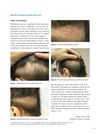
June 2008 in “Dermatologic Surgery” Transplanting chest hair into scalp scars may effectively treat wide donor scars in hair restoration.
 2 citations
,
August 2013 in “Facial Plastic Surgery Clinics of North America”
2 citations
,
August 2013 in “Facial Plastic Surgery Clinics of North America” The conclusion is that careful planning and technique in hair transplant surgery are crucial for successful graft harvesting and minimizing scars, with proper aftercare to avoid complications.
 2 citations
,
January 2001 in “Dermatologic Surgery”
2 citations
,
January 2001 in “Dermatologic Surgery” Poliglecaprone 25 is better than steel staples for hair transplant surgery, causing less discomfort and finer scars.
 40 citations
,
December 1980 in “The Journal of Dermatologic Surgery and Oncology”
40 citations
,
December 1980 in “The Journal of Dermatologic Surgery and Oncology” An improved scalp reduction technique reduces the need for hair grafts and has minimal complications.
 1 citations
,
October 2018 in “InTech eBooks”
1 citations
,
October 2018 in “InTech eBooks” The document concludes that treatments for cicatricial alopecia are not well-supported by evidence, but hair transplantation shows more predictable and satisfactory results.
 June 2026 in “Journal of Cutaneous and Aesthetic Surgery”
 FUE is effective for improving hair regrowth and appearance in scarred areas.
Additional surgeries are often needed to fix facial issues in patients with orofacial clefts.
 July 2015 in “Hair transplant forum international”
 Facial hair transplants are generally successful, with hair growth beginning around 3 months post-surgery.

Dense-packing hair grafting is a simple, safe, and effective way to restore hair in people with cicatricial alopecia.
 January 2016 in “Georg Thieme Verlag eBooks”
 Hair transplantation in East Asians needs special techniques to ensure natural results and prevent complications due to their unique hair and scalp characteristics.
 1 citations
,
January 2014 in “Archives of Aesthetic Plastic Surgery”
1 citations
,
January 2014 in “Archives of Aesthetic Plastic Surgery” The FUE technique is effective for Asian female hairline restoration with benefits like no scar and short recovery time.
 July 2024 in “International Journal of Dermatology Venereology and Leprosy Sciences”
 The combination treatment improved acne scars.
 31 citations
,
November 2013 in “Dermatologic Clinics”
31 citations
,
November 2013 in “Dermatologic Clinics” The ARTAS robotic system for hair restoration is efficient with fewer cuts than manual methods, but it's limited to certain hair types and can still leave scars.
 3 citations
,
April 2020 in “Facial Plastic Surgery Clinics of North America”
3 citations
,
April 2020 in “Facial Plastic Surgery Clinics of North America” Beard hair transplantation is generally satisfying, requires 250-800 grafts, uses FUE to avoid scars, needs careful planning, has some risks, and hair regrowth starts after 4-6 months.
 62 citations
,
October 2017 in “JAMA facial plastic surgery”
62 citations
,
October 2017 in “JAMA facial plastic surgery” Condensed nanofat with fat grafts effectively improves atrophic facial scars.
 11 citations
,
May 2019 in “BioMed Research International”
11 citations
,
May 2019 in “BioMed Research International” Hair transplantation effectively treats scalp scars with high success and patient satisfaction.
 August 1998 in “Dermatologic Surgery”
 Use steroid creams without parabens and educate on hair transplant techniques to improve cosmetic surgery outcomes.
18 citations
,
November 2009 in “Archives of Dermatology” Calcipotriol doesn't prevent hypertrophic scars, but keratinocyte activation is important in scar formation.