 October 2024 in “Journal of the Endocrine Society”
 Sheehan syndrome can cause hormone deficiencies after childbirth, but treatment can improve symptoms.
 5 citations
,
September 2016 in “Journal of Cosmetic Dermatology”
5 citations
,
September 2016 in “Journal of Cosmetic Dermatology” Nourkrin® with Marilex® may increase hair count by 35.7% in postpartum hair loss.
 21 citations
,
July 2005 in “European Journal of Emergency Medicine”
21 citations
,
July 2005 in “European Journal of Emergency Medicine” Hair-tourniquet syndrome can cause serious toe injuries in infants but can be treated if found early.
22 citations
,
July 2006 in “Annals of The Royal College of Surgeons of England” Hair or fiber wrapped tightly around a toe can lead to serious injury if not treated quickly.
6 citations
,
January 2015 in “Il Giornale di Chirurgia” Hair tourniquet syndrome can cause serious harm if not treated quickly, especially in infants.
October 2025 in “COGNITIONIS Scientific Journal” Postpartum hair loss is common, temporary, and linked to hormonal changes, stress, and nutrition.
November 2021 in “CRC Press eBooks” Female androgenic alopecia causes hair thinning in women, especially after menopause, and affects their mental well-being.
 26 citations
,
January 2013 in “BioMed Research International”
26 citations
,
January 2013 in “BioMed Research International” Hormonal changes after childbirth and menopause can lead to women's hair loss and facial hair growth, with a need for better treatments.
 December 2025 in “International Journal of Research in Dermatology”
 A multidisciplinary approach is crucial for effectively managing hair loss linked to endocrine and gynecological disorders.
 September 2022 in “Journal of Case Reports and Medical History”
 Many new moms lose hair after childbirth due to hormonal changes, but it usually grows back within a year.
The new all-natural shampoo treatment can prevent hair loss and encourage hair regrowth in new mothers.
 45 citations
,
March 2003 in “Pediatrics”
45 citations
,
March 2003 in “Pediatrics” Baby's toe injury linked to mom's hair loss; check baby's toes and be careful with fruit gel snacks.
 4 citations
,
January 2015 in “Case reports in urology”
4 citations
,
January 2015 in “Case reports in urology” An 8-year-old boy recovered from a rare case of penile tourniquet syndrome after hair removal surgery.
 71 citations
,
February 2006 in “Clinics in Dermatology”
71 citations
,
February 2006 in “Clinics in Dermatology” Pregnancy causes skin changes like darkening, hair thickening, nail changes, and increased risk of skin growths, most of which usually resolve after birth.
Oral contraceptives may cause significant hair loss in women.
 October 1961 in “Archives of Dermatology”
 Reassurance is important for postpartum hair shedding as it likely won't cause complete baldness.
 37 citations
,
June 2021 in “Journal of the European Academy of Dermatology and Venereology”
37 citations
,
June 2021 in “Journal of the European Academy of Dermatology and Venereology” Adult skin quickly reacts to short-term environmental and internal stress, leading to various skin issues and the need for protective measures.

Early combination therapy can effectively regrow hair in frontal fibrosing alopecia.
September 2023 in “Ukraïnsʹkij žurnal Perinatologìâ ì pedìatrìâ” Quick action and prevention are crucial to avoid severe complications from tourniquet syndrome in children.
 September 2016 in “Más dermatología”
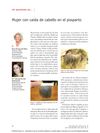
 Postpartum hair loss usually stops within 4-6 months.
 13 citations
,
January 2013 in “Our Dermatology Online”
13 citations
,
January 2013 in “Our Dermatology Online” Recognizing and treating pregnancy-related skin conditions is important to reduce health risks for mothers and babies.
 6 citations
,
September 1990 in “International Journal of Gynecology & Obstetrics”
6 citations
,
September 1990 in “International Journal of Gynecology & Obstetrics” The skin condition PUPP usually gets better on its own after giving birth and is unlikely to happen again in future pregnancies.
 May 2002 in “British Journal of Dermatology”
 A pregnant woman's skin condition improved after giving birth, possibly due to high estrogen levels during pregnancy.
 January 2014 in “HAL (Le Centre pour la Communication Scientifique Directe)”
 Sex hormones affect dog skin conditions, but more data is needed.
 January 2009 in “Springer eBooks”
 The document concludes that managing skin conditions during pregnancy is important and requires specialized care.
3 citations
,
November 2019 in “Journal of dermatology” Itraconazole effectively treated a woman's painful skin condition and hair loss.
 December 2004 in “Medicine”
 Pregnancy can cause skin changes and may affect pre-existing skin conditions, with some treatments not safe for use during pregnancy.
November 2021 in “Anais brasileiros de dermatologia/Anais Brasileiros de Dermatologia” The woman has a rare, harmless skin condition specific to pregnancy that causes itchy bumps and will go away after she gives birth.
 36 citations
,
April 1990 in “Dermatologic Clinics”
36 citations
,
April 1990 in “Dermatologic Clinics” Most pregnant women experience skin changes like darkening and stretch marks, and some may have skin conditions that usually get better after giving birth.
January 2019 in “Zenodo (CERN European Organization for Nuclear Research)” Diffuse hair loss in women is often linked to anemia, thyroid issues, and conditions like polycystic ovarian disease.