 141 citations
,
January 1984 in “Journal of The American Academy of Dermatology”
141 citations
,
January 1984 in “Journal of The American Academy of Dermatology” Pregnancy can cause skin darkening, varicose veins, more sweating, hair growth, hair loss after birth, nail changes, and gum inflammation.
 1 citations
,
January 2017 in “Current Dermatology Reports”
1 citations
,
January 2017 in “Current Dermatology Reports” Early baldness in men may indicate risks for obesity, metabolic syndrome, insulin resistance, and heart disease, similar to women with PCOS. Alopecia areata is often linked with autoimmune diseases and mental health issues. Certain hair disorders are due to genetic issues, and chemotherapy can cause hair loss through specific biological pathways. Iron deficiency's link to hair loss is still disputed.
 47 citations
,
May 2002 in “Journal of Cutaneous Medicine and Surgery”
47 citations
,
May 2002 in “Journal of Cutaneous Medicine and Surgery” Pregnancy can cause normal skin changes that usually go away after childbirth and don't need treatment.
 41 citations
,
October 2017 in “International Journal of Women's Dermatology”
41 citations
,
October 2017 in “International Journal of Women's Dermatology” Most pregnant women experience skin darkening and hair changes, with these effects usually going away after giving birth.
 36 citations
,
April 1990 in “Dermatologic Clinics”
36 citations
,
April 1990 in “Dermatologic Clinics” Most pregnant women experience skin changes like darkening and stretch marks, and some may have skin conditions that usually get better after giving birth.
 9 citations
,
May 2015 in “Cardiology Clinics”
9 citations
,
May 2015 in “Cardiology Clinics” The conclusion is that managing cholesterol is important for women, especially during pregnancy, breastfeeding, and with PCOS, and involves regular screening and careful treatment choices.
 6 citations
,
September 1990 in “International Journal of Gynecology & Obstetrics”
6 citations
,
September 1990 in “International Journal of Gynecology & Obstetrics” The skin condition PUPP usually gets better on its own after giving birth and is unlikely to happen again in future pregnancies.
 2 citations
,
November 2012 in “InTech eBooks”
2 citations
,
November 2012 in “InTech eBooks” The document concludes that sex hormones are crucial for mammalian reproduction, health, and behavior, and require more research for therapeutic use.
 January 2009 in “Springer eBooks”
 The document concludes that managing skin conditions during pregnancy is important and requires specialized care.
Different drugs are used to manage breeding, prevent or end pregnancy, and treat reproductive issues in dogs and cats.
 March 2014 in “Fertility and Sterility”
 The April 2014 issue of "Fertility and Sterility" discussed various reproductive health topics, including hormone therapy benefits, sperm and genetic factors in male infertility, and the link between PCOS and diabetes.
 November 2013 in “International Journal of Medical and Health Sciences”
 Doctors often miss Hair Tourniquet Syndrome, which can lead to serious damage if not treated quickly.
 2 citations
,
September 2022 in “Cureus”
2 citations
,
September 2022 in “Cureus” Almost half of COVID-19 patients in Makkah, Saudi Arabia experienced increased hair loss, especially women and those with chronic diseases.
 February 2026 in “Editora Pasteur eBooks”
 A comprehensive, personalized approach is needed for treating female pattern hair loss and obesity, involving multiple medical disciplines and lifestyle changes.
 March 2023 in “European journal of internal medicine”
 The patient's long-term symptoms were due to Sheehan's syndrome, which improved with hormone therapy.
April 2011 in “Faculty Opinions – Post-Publication Peer Review of the Biomedical Literature” Hair cortisol is a reliable long-term stress marker during pregnancy.
September 2025 in “International Journal of Innovative Technologies in Social Science” Aesthetic gynecology improves women's intimate health and well-being with safe procedures but needs more research and standardized protocols.
January 2026 in “Hormones and Behavior” Pregnancy affects fear memory and brain activity in female rats.

Early diagnosis and management of Sheehan's syndrome are crucial for improving quality of life and fertility.
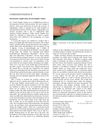 May 2002 in “British Journal of Dermatology”
 A pregnant woman's skin condition improved after giving birth, possibly due to high estrogen levels during pregnancy.
 70 citations
,
April 2016 in “Experimental Dermatology”
70 citations
,
April 2016 in “Experimental Dermatology” A patient with alopecia areata regrew hair after taking tofacitinib and showed changes in certain blood and skin markers.
 March 2024 in “Journal of animal science/Journal of animal science ... and ASAS reference compendium”
 Soy hull supplementation did not affect sheep gastrointestinal parasite infection compared to corn-based supplements.
3 citations
,
October 2024 in “Journal of obstetrics and gynaecology research” Postpartum hair loss can increase anxiety in new mothers.
 12 citations
,
February 2001 in “Annals of Pharmacotherapy”
12 citations
,
February 2001 in “Annals of Pharmacotherapy” No effective treatment for hair loss after childbirth was found, but it usually gets better on its own and some cosmetic methods might help.
 January 2011 in “Medicina interna de México”
 The document concludes that treating the underlying causes of telogen effluvium usually results in hair regrowth.
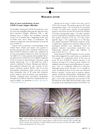 32 citations
,
July 2021 in “Journal of The American Academy of Dermatology”
32 citations
,
July 2021 in “Journal of The American Academy of Dermatology” Hair loss from COVID-19 usually starts around 45 days after infection and lasts about 47.5 days.
 4 citations
,
March 2021 in “International Journal of Dermatology”
4 citations
,
March 2021 in “International Journal of Dermatology” COVID-19 and related stress may increase hair loss known as Telogen effluvium.
 75 citations
,
October 1996 in “Dermatologic Clinics”
75 citations
,
October 1996 in “Dermatologic Clinics” Chronic Telogen Effluvium is a hair loss condition in middle-aged women that usually doesn't lead to complete baldness.
 67 citations
,
January 2013 in “Indian Journal of Dermatology, Venereology and Leprology”
67 citations
,
January 2013 in “Indian Journal of Dermatology, Venereology and Leprology” Chronic Telogen Effluvium may resolve after years and is diagnosed by examining the patient's history and clinical signs, with treatment aimed at underlying causes and possibly minoxidil.
 24 citations
,
May 1963 in “Archives of Dermatology”
24 citations
,
May 1963 in “Archives of Dermatology” Most new moms had their hair grow back within 4-6 months after childbirth, and hair loss is likely due to hormonal changes.