
Lack of certain cells causes abnormal nipple development and nursing failure.
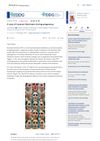 October 2023 in “Journal der Deutschen Dermatologischen Gesellschaft”
 Pregnancy can trigger severe rosacea, which may be treated with antibiotics and steroids, but there's no clear treatment guideline.
 January 2020 in “Mastology”
 Flow cytometry was effective in diagnosing metastatic breast cancer in a bone marrow sample.
 February 2009 in “Springer eBooks”
 Pregnancy can cause more body and scalp hair growth and make nails brittle, but these changes often revert after giving birth.
 February 2009 in “Springer eBooks”
 Hyperpigmentation is common in pregnancy and may not fully fade after birth; melasma, also frequent, can persist but has limited treatment options during pregnancy.
December 2005 in “Belarusian State Pedagogical University repository (Belarusian State Pedagogical University)” Hair tourniquet syndrome can cause serious harm and may indicate child abuse.
Contraceptives may affect hair growth due to estrogen, with effects varying by individual.
 141 citations
,
January 1984 in “Journal of The American Academy of Dermatology”
141 citations
,
January 1984 in “Journal of The American Academy of Dermatology” Pregnancy can cause skin darkening, varicose veins, more sweating, hair growth, hair loss after birth, nail changes, and gum inflammation.
83 citations
,
July 2004 in “Pharmacology Biochemistry and Behavior” Higher 3α,5α-THP levels in the brain may reduce depression in pregnant rats.
 70 citations
,
April 2016 in “Experimental Dermatology”
70 citations
,
April 2016 in “Experimental Dermatology” A patient with alopecia areata regrew hair after taking tofacitinib and showed changes in certain blood and skin markers.
 51 citations
,
February 2006 in “Clinics in Dermatology”
51 citations
,
February 2006 in “Clinics in Dermatology” Pregnant women often experience skin and hair changes, with over half getting stretch marks and pigment changes, and should be cautious with cosmetic procedures due to potential risks.
 47 citations
,
May 2002 in “Journal of Cutaneous Medicine and Surgery”
47 citations
,
May 2002 in “Journal of Cutaneous Medicine and Surgery” Pregnancy can cause normal skin changes that usually go away after childbirth and don't need treatment.
 41 citations
,
October 2017 in “International Journal of Women's Dermatology”
41 citations
,
October 2017 in “International Journal of Women's Dermatology” Most pregnant women experience skin darkening and hair changes, with these effects usually going away after giving birth.
 40 citations
,
December 2019 in “Neurobiology of Stress”
40 citations
,
December 2019 in “Neurobiology of Stress” Neuroactive steroids show promise for treating mental and neurological disorders by targeting GABA_A receptors.
 36 citations
,
April 1990 in “Dermatologic Clinics”
36 citations
,
April 1990 in “Dermatologic Clinics” Most pregnant women experience skin changes like darkening and stretch marks, and some may have skin conditions that usually get better after giving birth.
 29 citations
,
November 2011 in “Veterinary pathology”
29 citations
,
November 2011 in “Veterinary pathology” The study found that mouse sweat glands develop before birth, mature after birth, and have specific keratin patterns.
 15 citations
,
December 2016 in “Obstetrics & Gynecology”
15 citations
,
December 2016 in “Obstetrics & Gynecology” Most skin changes during pregnancy are harmless and moles don't significantly change, but many women experience pigmentation changes due to hormones and sun exposure.
 9 citations
,
May 2015 in “Cardiology Clinics”
9 citations
,
May 2015 in “Cardiology Clinics” The conclusion is that managing cholesterol is important for women, especially during pregnancy, breastfeeding, and with PCOS, and involves regular screening and careful treatment choices.
 7 citations
,
August 2016 in “Nursing for Women's Health”
7 citations
,
August 2016 in “Nursing for Women's Health” To prevent and treat Hair-thread tourniquet syndrome in infants, keep a close eye on their limbs, manage maternal hair loss, and educate parents and healthcare providers.
 6 citations
,
September 2010 in “Animal”
6 citations
,
September 2010 in “Animal” Selecting Angus cattle for earlier puberty lowers prolactin levels but doesn't affect hair growth.
 6 citations
,
September 1990 in “International Journal of Gynecology & Obstetrics”
6 citations
,
September 1990 in “International Journal of Gynecology & Obstetrics” The skin condition PUPP usually gets better on its own after giving birth and is unlikely to happen again in future pregnancies.
4 citations
,
March 2024 in “Applied Physiology Nutrition and Metabolism” Interval training is better for heart and metabolic health in reproductive-aged females than regular moderate exercise.
 2 citations
,
November 2012 in “InTech eBooks”
2 citations
,
November 2012 in “InTech eBooks” The document concludes that sex hormones are crucial for mammalian reproduction, health, and behavior, and require more research for therapeutic use.
 January 2026 in “Frontiers in Reproductive Health”
 Educational efforts can reduce harmful chemical exposure from hair products in pregnant Women of Color.
 January 2026 in “American Journal of Medical and Clinical Research & Reviews”
 Different wavelengths of LED light are needed to treat different types of hair loss effectively.
September 2025 in “International Journal of Innovative Technologies in Social Science” Aesthetic gynecology improves women's intimate health and well-being with safe procedures but needs more research and standardized protocols.
 August 2025 in “International Journal of Women’s Dermatology”
 Stopping and restarting JAK inhibitors during pregnancy in women with alopecia areata leads to hair loss and regrowth, with most pregnancies resulting in healthy babies.
November 2024 in “Rheumatology Advances in Practice” Ocrelizumab helped control lupus in a pregnant patient, leading to the birth of a healthy baby.
 September 2024 in “Frontiers in Veterinary Science”
 A simple enrichment program improves health and reproduction in Calomys callosus.
 March 2024 in “Journal of animal science/Journal of animal science ... and ASAS reference compendium”
 Soy hull supplementation did not affect sheep gastrointestinal parasite infection compared to corn-based supplements.