 February 2026 in “Chinese Medicine”
 Natural products might help treat hair greying.
 February 2026 in “Clinical Cosmetic and Investigational Dermatology”
 Low humidity changes skin gene expression, but emollients can help manage these changes.
 January 2026 in “Food Science and Human Wellness”
 Krill oil may help reduce prostate enlargement and growth.
 December 2025 in “Frontiers in Veterinary Science”
 Liaoning cashmere goats grow more cashmere by boosting fat production, supporting hair structure, and controlling inflammation.
Azelaic acid helps with skin pigmentation issues, but its full effects are not completely understood.
 January 2025 in “International Journal for Research Trends and Innovation”
 PCOS management benefits from combining traditional herbs, modern medicine, and lifestyle changes.
 January 2021 in “Revista Dermatológica Centro Uraga”
 Endocrinological evaluation is crucial for properly diagnosing and treating acne.

Enhanced stem cells from the placenta can reduce fat cell formation in eye disease.
Diet and supplements can significantly affect acne, with some foods and nutrients reducing and others worsening it.
 April 2018 in “Journal of Investigative Dermatology”
 The conclusion is that the cornea has two types of stem cells, with Lrig1+ cells being key for renewal in aging corneas, independent of CD44.
 April 2018 in “Journal of Investigative Dermatology”
 Fat under the skin can help hair grow longer, darker, and increase cell growth.
 November 2016 in “Endocrinology&Metabolism International Journal”
 PCOS has no cure, but treatments can manage symptoms and improve health.
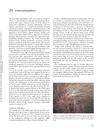 April 2012 in “Informa Healthcare eBooks”
 Lichen planopilaris is a rare, chronic condition causing hair loss, mainly in middle-aged women, and early treatment is important to prevent permanent baldness.
 April 2018 in “Journal of Investigative Dermatology”
 Hair pattern in androgenetic alopecia overlaps with scalp and bone demarcations, with distinct gene profiles affecting susceptibility.
 August 2016 in “The journal of investigative dermatology/Journal of investigative dermatology”
 The hexosamine pathway helps protect skin cells from stress and may improve skin and hair health.
 130 citations
,
August 2015 in “Experimental Dermatology”
130 citations
,
August 2015 in “Experimental Dermatology” Human hair follicle organ culture is a useful model for hair research with potential for studying hair biology and testing treatments.
 11 citations
,
April 2020 in “Journal of Dermatological Treatment”
11 citations
,
April 2020 in “Journal of Dermatological Treatment” Taking oral isotretinoin with creams worked better for treating a type of hair loss than creams alone.
 788 citations
,
February 2007 in “Nature”
788 citations
,
February 2007 in “Nature” The document concludes that skin stem cells are important for hair growth and wound healing, and could be used in regenerative medicine.
 499 citations
,
September 2011 in “Cell”
499 citations
,
September 2011 in “Cell” Fat-related cells are important for initiating hair growth.
 408 citations
,
January 2017 in “Science”
408 citations
,
January 2017 in “Science” Some wound-healing cells can turn into fat cells around new hair growth in mice.
 305 citations
,
February 2007 in “Hormone and metabolic research”
305 citations
,
February 2007 in “Hormone and metabolic research” Human skin makes sexual hormones that affect hair growth, skin health, and healing; too much can cause acne and hair loss, while treatments can manage these conditions.
 299 citations
,
January 2018 in “Journal of Clinical Investigation”
299 citations
,
January 2018 in “Journal of Clinical Investigation” Different types of fibroblasts play various roles in diseases and healing, and more research on them could improve treatments.
 260 citations
,
December 2012 in “Cold Spring Harbor Perspectives in Biology”
260 citations
,
December 2012 in “Cold Spring Harbor Perspectives in Biology” Wnt signaling is crucial for skin development and health, and its disruption can cause skin diseases.
 222 citations
,
January 2014 in “International journal of reproductive medicine”
222 citations
,
January 2014 in “International journal of reproductive medicine” Insulin resistance and obesity are key factors in the development and worsening of polycystic ovary syndrome, and lifestyle changes are important for managing it.
 218 citations
,
April 2008 in “Genes & Development”
218 citations
,
April 2008 in “Genes & Development” Skin stem cells help repair damage and maintain healthy skin.
 170 citations
,
September 2019 in “Evidence-based Complementary and Alternative Medicine”
170 citations
,
September 2019 in “Evidence-based Complementary and Alternative Medicine” Some medicinal plants can help heal wounds and may lead to new treatments.
 152 citations
,
December 2007 in “Gender Medicine”
152 citations
,
December 2007 in “Gender Medicine” Male and female skin differ due to hormones, affecting conditions like hair loss, acne, and skin cancer, and suggesting a need for gender-specific treatments.
 130 citations
,
November 2017 in “Frontiers in Immunology”
130 citations
,
November 2017 in “Frontiers in Immunology” The conclusion is that Treg-targeted therapies have potential, but more knowledge of Treg biology is needed for effective treatments, including for cancer.
 127 citations
,
July 2002 in “EMBO journal”
127 citations
,
July 2002 in “EMBO journal” Normal skin cell renewal doesn't need RAR signaling, but vitamin A-related skin thickening does.
 125 citations
,
September 2019 in “Journal of Clinical Immunology”
125 citations
,
September 2019 in “Journal of Clinical Immunology” Foxp3 is crucial for regulatory T cell function, and targeting these cells may help treat immune disorders.