PPARβ/δ helps yaks adapt to high altitudes by regulating lipid metabolism in their coats.
 2 citations
,
February 2025 in “International Journal of Molecular Sciences”
2 citations
,
February 2025 in “International Journal of Molecular Sciences” Key proteins and pathways regulate yak hair growth, with lipid metabolism aiding adaptation to high altitudes.
 46 citations
,
April 2008 in “Archives of Dermatological Research”
46 citations
,
April 2008 in “Archives of Dermatological Research” Substance P may worsen acne by increasing inflammation, but corticosteroids might help by reducing this effect.
 45 citations
,
February 2019 in “Journal of Affective Disorders”
45 citations
,
February 2019 in “Journal of Affective Disorders” Melatonin improved mental health and metabolism in women with PCOS.
 44 citations
,
November 2011 in “The Journal of Dermatology”
44 citations
,
November 2011 in “The Journal of Dermatology” New understanding of the causes of primary cicatricial alopecia has led to better diagnosis and potential new treatments.
 23 citations
,
October 2018 in “Australasian Journal of Dermatology”
23 citations
,
October 2018 in “Australasian Journal of Dermatology” The current understanding of frontal fibrosing alopecia involves immune, genetic, hormonal factors, and possibly environmental triggers, but more research is needed for effective treatments.
 2 citations
,
January 2015 in “Springer eBooks”
2 citations
,
January 2015 in “Springer eBooks” Early diagnosis and aggressive treatment are crucial for Cicatricial Alopecia, and treatment effectiveness varies among patients.
 1 citations
,
May 2024 in “Dermatology and Therapy”
1 citations
,
May 2024 in “Dermatology and Therapy” Frontal Fibrosing Alopecia needs better diagnostics and treatments, with dutasteride showing promise.
 November 2015 in “European Journal of Inflammation”
 Cicatricial alopecia, a permanent hair loss condition, is mainly caused by damage to specific hair follicle stem cells and abnormal immune responses, with gene regulator PPAR-y and lipid metabolism disorders playing significant roles.
 July 2018 in “Elsevier eBooks”
 Lichen Planopilaris is a hair loss condition best treated early with various medications, including hydroxychloroquine, to prevent permanent baldness.
 April 2018 in “Journal of Investigative Dermatology”
 Macrophages are more involved in Lichen planopilaris than in Frontal fibrosing alopecia.
 April 2018 in “Journal of Investigative Dermatology”
 Different types of stem cells in the skin contribute to the variety of melanoma forms.
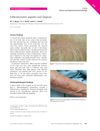 May 2014 in “Clinical and Experimental Dermatology”
 A 70-year-old woman with a rare skin condition improved after treatment with topical steroids and acitretin.
 408 citations
,
January 2017 in “Science”
408 citations
,
January 2017 in “Science” Some wound-healing cells can turn into fat cells around new hair growth in mice.
 77 citations
,
March 2014 in “Cold Spring Harbor Perspectives in Medicine”
77 citations
,
March 2014 in “Cold Spring Harbor Perspectives in Medicine” Fat cells are important for healthy skin, hair growth, and healing, and changes in these cells can affect skin conditions and aging.
 1 citations
,
July 2018 in “Journal of The American Academy of Dermatology”
1 citations
,
July 2018 in “Journal of The American Academy of Dermatology” Sebaceous glands are often preserved and PPARy expression is constant in some cases of Central Centrifugal Cicatricial Alopecia.
September 2025 in “Stem Cell Research & Therapy” TAZ boosts fat cell formation in goat stem cells by activating a specific signaling pathway.
March 2025 in “International Journal of Molecular Sciences” PLIN2 affects hair growth in cashmere goats, potentially improving cashmere quality.
46 citations
,
November 2004 in “Lipids” PPARs help regulate skin health and could be used to treat skin disorders.
July 2021 in “Authorea (Authorea)” Graham-Little Piccardi Lassueur Syndrome is a rare skin condition with specific hair loss and skin symptoms.
 4 citations
,
February 2018 in “Journal of Investigative Dermatology”
4 citations
,
February 2018 in “Journal of Investigative Dermatology” The document concludes that a protein involved in hair growth may link to baldness and that more research is needed on its role in hair loss and skin cancer treatments.
 3 citations
,
March 2017 in “Regulatory toxicology and pharmacology”
3 citations
,
March 2017 in “Regulatory toxicology and pharmacology” Aleglitazar and its major metabolite are safe enough to proceed to Phase 3 clinical trials.
 October 2023 in “bioRxiv (Cold Spring Harbor Laboratory)”
 Early regulatory T cells are crucial for normal skin pigmentation.
 August 2023 in “Journal of Dermatological Science”
 A specific RNA molecule blocks hair growth by affecting a protein related to hair loss conditions.
 December 2024 in “Journal of Cosmetic Dermatology”
 ME1 and PPAR signaling may influence hair loss in androgenetic alopecia.
 102 citations
,
July 2007 in “Genes & Development”
102 citations
,
July 2007 in “Genes & Development” A mother's PPARγ is crucial for preventing harmful milk that can cause inflammation and growth problems in babies.
51 citations
,
September 2000 in “Acta dermato-venereologica” PPAR alpha may help in hair growth and could be a target for treatment.
 28 citations
,
November 2013 in “The journal of investigative dermatology/Journal of investigative dermatology”
28 citations
,
November 2013 in “The journal of investigative dermatology/Journal of investigative dermatology” GMG-43AC may help reduce unwanted hair growth and treat certain hair loss conditions.
 24 citations
,
November 2019 in “Experimental Dermatology”
24 citations
,
November 2019 in “Experimental Dermatology” PPAR-γ is important for healthy hair and its problems, and more research on PPAR-γ treatments is needed.
9 citations
,
August 2021 in “International journal of molecular sciences” PPARγ is essential for maintaining healthy skin, controlling inflammation, and ensuring proper skin barrier function.