 May 2023 in “International Journal of Trichology”
 PRP therapy for hair loss is safe but its effectiveness is doubtful.
211 citations
,
February 1994 in “Proceedings of the National Academy of Sciences” Too much parathyroid hormone-related protein in skin disrupts hair growth in mice.
 12 citations
,
June 2020 in “Journal of The American Academy of Dermatology”
12 citations
,
June 2020 in “Journal of The American Academy of Dermatology” Platelet-rich plasma is tolerable for lichen planopilaris and doesn't worsen the condition, but its effectiveness is unclear.
 June 2024 in “Saudi Journal of Medicine”
 PRP therapy significantly improves hair thickness and density in male pattern baldness.
CG2001 is safe and well-tolerated for treating hair loss in men.
January 1992 in “Filosofia oggi” PRP gel is a safe, affordable treatment needing trained staff and proper facilities.
20 citations
,
August 2020 in “Scientific Reports” Low-dose bisphenol A increases prostate size in rats by affecting certain enzymes.
Combining platelet-rich plasma with other treatments may improve hair growth in androgenetic alopecia.
Combining platelet-rich plasma with other treatments may improve hair growth in androgenetic alopecia.
 May 2026 in “Dove Medical Press (Taylor and Francis Group)”
 Buffy coat PRP is more effective for hair growth in androgenetic alopecia than apheresis PRP.
 December 2024 in “Biological and Clinical Sciences Research Journal”
 Injectable platelet-rich fibrin (I-PRF) is more effective than platelet-rich plasma (PRP) for treating hair loss.
 7 citations
,
August 2005 in “British Journal of Dermatology”
7 citations
,
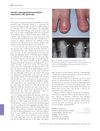
August 2005 in “British Journal of Dermatology” Etanercept improved symptoms of a specific type of psoriatic arthritis in a patient who didn't respond to other treatments.
 February 2023 in “Military Medical Science Letters”
 Platelet-rich plasma treatments reduce knee osteoarthritis inflammation, with pure PRP being more effective.
November 2025 in “Cosmetics” POLEVAN® improves hair shine, moisturizes the scalp, and maintains foam quality in shampoos.
 June 2023 in “Journal of cosmetic dermatology”
 Both DPCP alone and with PRP are effective and safe for treating severe alopecia areata.
 July 2025 in “Clinical Dermatology Review”
 PRP significantly boosts hair growth in androgenic alopecia patients.
15 citations
,
September 2012 in “PTR. Phytotherapy research/Phytotherapy research” Ginsenosides Rb₁ and Rd may help prevent hair loss by promoting hair cell growth.
A new topical treatment for hair loss is effective and safe with faster results.
37 citations
,
June 1996 in “Journal of cellular physiology” Retinoic acid, glucocorticoids, and IGF1 increase IGFBP-3 production in human dermal papilla cells, affecting hair growth.
9 citations
,
January 2021 in “Acta Cirúrgica Brasileira” Dipotassium glycyrrhizinate helps wounds heal faster, especially in the early stages.
July 2021 in “Belarusian State Pedagogical University repository (Belarusian State Pedagogical University)” PMC shows promise as a treatment for hair loss.
 January 2018 in “Springer eBooks”
 PDE inhibitors, especially PDE4 inhibitors like apremilast, are effective for certain inflammatory skin conditions but have side effects and can be costly.
 February 2018 in “InTech eBooks”
 PRP therapy is effective for hair regrowth and improving hair quality with minimal side effects.
November 2022 in “Journal of Nanobiotechnology” The developed system could effectively treat hair loss and promote hair growth.
A new topical treatment for hair loss is effective and safe with faster results.
 June 2020 in “Journal of Investigative Dermatology”
 More research with diverse participants is needed to determine the effectiveness of photobiomodulation devices for hair loss treatment.

A new topical treatment for hair loss is effective and safe with faster results.
A new topical treatment for hair loss is effective and safe with faster results.
1 citations
,
August 2018 in “Madridge journal of dermatology & research” The device effectively and safely increased hair growth in people with Androgenetic Alopecia.
 4 citations
,
August 2018 in “Facial Plastic Surgery Clinics of North America”
4 citations
,
August 2018 in “Facial Plastic Surgery Clinics of North America” Platelet-Rich Plasma (PRP), a protein-rich extract from a patient's blood, shows promise in improving hair density, thickness, and quality, but the best method of use and number of treatments needed for noticeable results are still unclear.