 207 citations
,
April 2006 in “Journal of The American Academy of Dermatology”
207 citations
,
April 2006 in “Journal of The American Academy of Dermatology” Iron deficiency may be related to hair loss, but there's not enough evidence to recommend iron screening or supplements for all hair loss patients.
13 citations
,
December 2020 in “BMJ Open Diabetes Research & Care” Changes in SHBG levels don't predict diabetes risk reduction.
 9 citations
,
January 2020 in “Postepy Dermatologii I Alergologii”
9 citations
,
January 2020 in “Postepy Dermatologii I Alergologii” Frontal fibrosing alopecia is a poorly understood condition with increasing cases and unclear treatment effectiveness.
 5 citations
,
August 2012 in “Journal of Dermatology”
5 citations
,
August 2012 in “Journal of Dermatology” Tamoxifen may cause female hair loss by increasing androgen receptor expression.
 February 2024 in “The journal of sexual medicine”
 Flibanserin shows promise for treating male sexual dysfunction but has side effects like insomnia and fatigue.
 31 citations
,
April 2010 in “British journal of dermatology/British journal of dermatology, Supplement”
31 citations
,
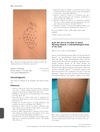
April 2010 in “British journal of dermatology/British journal of dermatology, Supplement” Frontal fibrosing alopecia can cause sudden hair loss on limbs, similar to scalp hair loss.
 15 citations
,
January 1988 in “Drugs”
15 citations
,
January 1988 in “Drugs” The document concludes that treatments for female hair loss and excessive hair growth are temporary and not well-studied.
 75 citations
,
June 1999 in “Pediatric Clinics of North America”
75 citations
,
June 1999 in “Pediatric Clinics of North America” The document concludes that early recognition and treatment of PCOS in adolescents is crucial for managing symptoms and long-term health risks.
 18 citations
,
February 2014 in “PubMed”
18 citations
,
February 2014 in “PubMed” Androgenetic alopecia is a common hair loss condition caused by testosterone effects on hair follicles, leading to thinner, shorter, and less pigmented hair, diagnosed using scalp dermoscopy and treated with topical minoxidil, antiandrogen agents, and 5-alpha reductase inhibitors.
12 citations
,
December 2016 in “PubMed” Hirsutism involves excessive hair growth due to hormonal issues and can be treated with medication or surgery.
 March 2006 in “Archives of Dermatology”
 Topical steroids help Erosive Lichen Planus, finasteride with birth control aids Female Pattern Hair Loss, young age helps Occupational Hand Eczema prognosis, quitting smoking is key for Diffuse Dermal Angiomatosis, and a 3-site Botulinum Toxin A injection is effective for glabellar wrinkles.
 June 2003 in “Obstetrical & Gynecological Survey”
 After chemotherapy for a gestational trophoblastic tumor, normal pregnancy rates are possible, but there's a slightly higher risk of the tumor reoccurring in future pregnancies.
 100 citations
,
July 2004 in “The Journal of Sexual Medicine”
100 citations
,
July 2004 in “The Journal of Sexual Medicine” Hormones like estrogen, testosterone, progesterone, and prolactin play complex roles in female sexual function, with testosterone potentially improving sexual desire, arousal, and satisfaction. However, more research is needed to establish safe and effective hormone treatments for female sexual dysfunction.
 3 citations
,
January 2019 in “International Journal of Trichology”
3 citations
,
January 2019 in “International Journal of Trichology” The article concludes that treating hair loss requires careful research, understanding the causes, and personalized treatment plans.
 2 citations
,
June 2011 in “Expert Review of Dermatology”
2 citations
,
June 2011 in “Expert Review of Dermatology” Female pattern hair loss involves thinning hair on crown and frontal scalp, diagnosed by hair ratio, and treated with minoxidil, antiandrogens, or hair transplantation.
4 citations
,
May 2024 in “Steroids” The method accurately measures sex hormones in human plasma but can have small errors.
 1 citations
,
September 2023 in “JCEM case reports”
1 citations
,
September 2023 in “JCEM case reports” GnRH analogues are effective for diagnosing and treating female androgen excess, offering a non-surgical option.
 8 citations
,
September 2011 in “European Journal of Dermatology”
8 citations
,
September 2011 in “European Journal of Dermatology” Most treatments for Frontal Fibrosing Alopecia are ineffective, but early anti-inflammatory therapy may help and the condition may stabilize over time.
 6 citations
,
January 2016 in “Menopause”
6 citations
,
January 2016 in “Menopause” Estrogen deficiency, like after menopause or certain surgeries, leads to faster skin aging and health issues.
 6 citations
,
June 2011 in “Journal of The American Academy of Dermatology”
6 citations
,
June 2011 in “Journal of The American Academy of Dermatology” Iron deficiency might be linked to hair loss, but more research is needed.
3 citations
,
January 2009 in “Elsevier eBooks” Soy can improve skin, hair, and nails.
December 2025 in “Actas Dermo-Sifiliográficas” Use a combination of oral dutasteride, topical treatments, and hydroxychloroquine to manage frontal fibrosing alopecia.
Iron deficiency can cause hair loss and often signals underlying health issues.
 February 2024 in “Actas Dermo-Sifiliográficas”
 Dermatologists recommend oral dutasteride for male hair loss, low-dose oral minoxidil for female hair loss, and a multidisciplinary approach for young patients, with caution during pregnancy.
 October 2020 in “Medicine - Programa De Formación Médica Continuada Acreditado”
 Female hyperandrogenism is a condition caused by too much male hormones, leading to skin issues and ovulation problems, often due to Polycystic Ovary Syndrome, and is treated based on individual symptoms.
 June 2026 in “Zenodo (CERN European Organization for Nuclear Research)”
 Finasteride and dutasteride effectively treat hair loss, with dutasteride showing slightly better results.
 June 2026 in “Zenodo (CERN European Organization for Nuclear Research)”
 Finasteride and dutasteride effectively treat hair loss, with dutasteride showing slightly better results.
 1540 citations
,
October 2008 in “Fertility and Sterility”
1540 citations
,
October 2008 in “Fertility and Sterility” The report concludes that PCOS is mainly a condition of excess male hormones and its definition may change as new information is discovered.
 9 citations
,
August 2014 in “Journal of The American Academy of Dermatology”
9 citations
,
August 2014 in “Journal of The American Academy of Dermatology” Hormonal imbalances may play a role in frontal fibrosing alopecia, and antiandrogenic drugs combined with steroids are currently the most effective treatment.
 8 citations
,
October 2018 in “Journal of The American Academy of Dermatology”
8 citations
,
October 2018 in “Journal of The American Academy of Dermatology” The review suggests there's no agreed treatment for Frontal Fibrosing Alopecia, but hydroxychloroquine and 5a-reductase inhibitors are most effective. New treatments like platelet-rich plasma and LED light could help if standard treatments fail.