5 citations
,
January 2017 in “Dermato-endocrinology” Postmenopausal women with past hirsutism or irregular periods have more heart and lung diseases.

Preparing and learning about menopause can improve women's quality of life as they approach this phase.
 August 2019 in “Journal of The American Academy of Dermatology”
 5% minoxidil foam effectively regrows hair in women, with postmenopausal women seeing the most improvement.
 August 2003 in “Journal of Investigative Dermatology Symposium Proceedings”
 The document did not provide enough information to summarize the causes of hair loss in pre- and postmenopausal women.
 339 citations
,
February 2014 in “Journal of The American Academy of Dermatology”
339 citations
,
February 2014 in “Journal of The American Academy of Dermatology” Most patients with frontal fibrosing alopecia are postmenopausal women, and treatments like finasteride and dutasteride can improve or stabilize the condition.
5 citations
,
May 2022 in “Bionatura” Asthma and high testosterone increase Covid-19 severity, while progesterone protects young women.
 72 citations
,
October 2010 in “Journal of The American Academy of Dermatology”
72 citations
,
October 2010 in “Journal of The American Academy of Dermatology” Iron deficiency common in women, not always linked to hair loss; more research needed.
31 citations
,
November 2009 in “European journal of dermatology/EJD. European journal of dermatology” Experts made a guide to help doctors evaluate women with too much hair growth.
 21 citations
,
January 2015 in “Oncology Research and Treatment”
21 citations
,
January 2015 in “Oncology Research and Treatment” Scalp cooling can prevent hair loss in 65% of chemotherapy patients, especially effective in breast cancer patients and certain chemotherapy types.
 20 citations
,
April 2021 in “Journal of Womens Health”
20 citations
,
April 2021 in “Journal of Womens Health” Testosterone can help premenopausal and postmenopausal women with low sexual desire, but its long-term safety is unclear and it's not widely approved for this use.
 17 citations
,
November 2018 in “Dermatology”
17 citations
,
November 2018 in “Dermatology” Most patients with frontal fibrosing alopecia had facial bumps, with Hispanic/Latino and premenopausal women being more affected, suggesting a more severe condition.
 10 citations
,
May 2017 in “PLOS ONE”
10 citations
,
May 2017 in “PLOS ONE” Men and premenopausal women in Korea show different patterns in iron and vitamin D levels, with no clear pattern for postmenopausal women.
9 citations
,
March 2008 in “PubMed” Low estrogen compared to androgen may cause female hair loss.
2 citations
,
April 2020 in “Clinical and experimental obstetrics & gynecology” Hair levels of estradiol and progesterone are higher in premenopausal than postmenopausal women, but the difference isn't statistically significant, indicating the need for a better measurement method.
 1 citations
,
September 2021 in “CRC Press eBooks”
1 citations
,
September 2021 in “CRC Press eBooks” Frontal Fibrosing Alopecia is a hair loss condition mainly affecting postmenopausal women, with unclear causes and various clinical patterns.
 1 citations
,
June 1987 in “British Journal of Dermatology”
1 citations
,
June 1987 in “British Journal of Dermatology” Patterned hair loss is relatively common in women and not usually a sign of serious health issues.
 January 2020 in “Revista da Sociedade Portuguesa de Dermatologia e Venereologia”
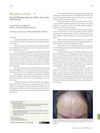
 Frontal fibrosing alopecia in Brazil mostly affects postmenopausal women, often linked with hypothyroidism and eyebrow hair loss.
 May 2019 in “Anais brasileiros de dermatologia/Anais Brasileiros de Dermatologia”
 Frontal fibrosing alopecia mostly affects postmenopausal women, with diagnosis often delayed by 3 years.
November 2014 in “PharmaTutor” Finasteride may help postmenopausal women with hair loss but is not effective for all and should be used cautiously in premenopausal women.
 December 2013 in “대한피부과학회지”
 Korean women with female pattern hair loss have higher levels of ferritin, testosterone, and vitamin D than average.
 January 2008 in “Dermatology Online Journal”
 Hormonal therapy like cyproterone acetate and spironolactone may help female hair loss, but more research is needed, especially for pre-menopausal women.
 March 2007 in “Journal of Obstetrics and Gynaecology Canada”
 Birth control pills slightly increase the risk of breast cancer, especially if used before the first full-term pregnancy.
 February 2022 in “Pakistan Journal of Medical and Health Sciences”
 Taking 2.5mg of finasteride daily can effectively improve hair loss in 62% of women, especially those pre-menopause or with less severe hair loss.
7 citations
,
January 2019 in “Journal of clinical medicine research” Menopause causes significant changes in the vaginal introitus, but less so in the labia majora, which may lead to symptoms of vaginal atrophy.
 38 citations
,
December 2011 in “British Journal of Dermatology”
38 citations
,
December 2011 in “British Journal of Dermatology” Menopause-related hormonal changes affect hair but are not the only cause of hair changes in middle-aged women.
 October 2023 in “The Journal of clinical endocrinology and metabolism/Journal of clinical endocrinology & metabolism”
 Hyperandrogenism increases heart disease risk in premenopausal women, but this risk is linked to obesity in postmenopausal women.
 33 citations
,
January 2015 in “Journal of Cosmetic Dermatology”
33 citations
,
January 2015 in “Journal of Cosmetic Dermatology” Familial frontal fibrosing alopecia affects premenopausal women too, and early diagnosis is important, but no proven medication exists yet.
 13 citations
,
August 1980 in “Cancer”
13 citations
,
August 1980 in “Cancer” Multimodal primary treatment improves survival in premenopausal breast cancer patients and is also beneficial for postmenopausal women.
1231 citations
,
May 2001 in “Hypertension” Men generally have higher blood pressure than premenopausal women, but postmenopausal women's blood pressure can surpass men's, and hormone therapy doesn't significantly help.
 108 citations
,
March 2006 in “Archives of Dermatology”
108 citations
,
March 2006 in “Archives of Dermatology” Finasteride with oral contraceptive helps improve hair loss in premenopausal women.