 5 citations
,
September 2016 in “Journal of Cosmetic Dermatology”
5 citations
,
September 2016 in “Journal of Cosmetic Dermatology” Nourkrin® with Marilex® may increase hair count by 35.7% in postpartum hair loss.
 4 citations
,
July 2013 in “Journal of Dermatological Science”
4 citations
,
July 2013 in “Journal of Dermatological Science” Pregnancy right after giving birth in mice lacking IL-10 causes milk that leads to liver issues and hair loss in their babies.
3 citations
,
November 2019 in “Journal of dermatology” Itraconazole effectively treated a woman's painful skin condition and hair loss.
 3 citations
,
November 2010 in “Rheumatic Diseases Clinics of North America”
3 citations
,
November 2010 in “Rheumatic Diseases Clinics of North America” Pregnancy can cause symptoms similar to rheumatic diseases, making diagnosis difficult, and affects various body systems, requiring careful distinction between normal changes and serious conditions.
 2 citations
,
April 2022 in “International Journal of Research in Dermatology”
2 citations
,
April 2022 in “International Journal of Research in Dermatology” Pregnant women often experience skin changes, so proper care is needed.
 2 citations
,
July 2021 in “Journal of Dermatology and Dermatologic Surgery”
2 citations
,
July 2021 in “Journal of Dermatology and Dermatologic Surgery” Exposure to the hair loss drug finasteride during pregnancy can cause genital anomalies in male babies, but not in female babies. It's best to avoid this drug in women who could potentially become pregnant.
 2 citations
,
May 2017 in “Springer eBooks”
2 citations
,
May 2017 in “Springer eBooks” Pregnancy can cause skin changes and affect existing skin conditions, with limited treatment options due to the need for fetal safety.
2 citations
,
January 2012 in “Charles Sturt University Research Output (CRO)” Pregnancy increases hair growth in dairy cattle.
 1 citations
,
February 2022 in “International Journal of Dermatology”
1 citations
,
February 2022 in “International Journal of Dermatology” Some skin changes from pregnancy like hair loss, excessive hair growth, palm redness, and stretch marks may not go away after birth and could suggest a misdiagnosis or hidden condition.
 1 citations
,
January 2015 in “Journal of Clinical Toxicology”
1 citations
,
January 2015 in “Journal of Clinical Toxicology” Babies were mostly born healthy from fathers who took finasteride, but some pregnancies ended early; more research is needed.
 1 citations
,
June 2014 in “International Journal of Dermatology”
1 citations
,
June 2014 in “International Journal of Dermatology” Pregnancy can trigger follicular mucinosis, which may resolve after delivery.
 1 citations
,
January 2000 in “Springer eBooks”
1 citations
,
January 2000 in “Springer eBooks” Pregnancy can cause various skin changes and diseases, requiring careful treatment to protect the baby.
June 2026 in “International Journal of Women’s Dermatology” Alopecia treatments during pregnancy, IVF, and PCOS have limited safety data and may require caution.
 April 2026 in “Dermatology and Therapy”
 Pregnancy can cause skin changes and issues that need careful management.
 March 2026 in “International Journal of Health Science”
 Pregnancy causes temporary skin changes that are usually harmless.
January 2026 in “Hormones and Behavior” Pregnancy affects fear memory and brain activity in female rats.
 January 2026 in “Ankara Medical Journal”
 Pregnancy-related stress may cause hair loss in women in their third trimester.
January 2026 in “Clinical Journal for Nurse Practitioners in Women s Health” Pregnancy can cause skin changes, some harmless and others risky, needing careful management.
 December 2025 in “Zenodo (CERN European Organization for Nuclear Research)”
 Finasteride is risky during pregnancy, but the chance of harm from a male partner taking it is low if handled safely.
 December 2025 in “Zenodo (CERN European Organization for Nuclear Research)”
 Pregnant women should avoid handling crushed finasteride tablets, but exposure through a male partner's semen is minimal.
 August 2025 in “International Journal of Women’s Dermatology”
 Stopping and restarting JAK inhibitors during pregnancy in women with alopecia areata leads to hair loss and regrowth, with most pregnancies resulting in healthy babies.
 February 2025 in “Quality in Sport”
 Pregnancy-related skin disorders need accurate diagnosis and treatment to prevent risks to the baby.
September 2024 in “Toxicology Letters” Cortisone and cortisol levels in pregnant women’s hair increase as labor approaches, indicating higher stress.
 May 2024 in “Journal of trace elements in medicine and biology”
 Overweight or obese women before pregnancy have lower iron levels in their serum and hair during early pregnancy.
February 2024 in “Animals” Hair loss peaks in spring and regrowth in late summer, with pregnant females losing the most hair.
 February 2024 in “Psychoneuroendocrinology”
 Mothers with lower stress during pregnancy but higher stress after birth had infants with lower development scores.
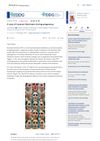 October 2023 in “Journal der Deutschen Dermatologischen Gesellschaft”
 Pregnancy can trigger severe rosacea, which may be treated with antibiotics and steroids, but there's no clear treatment guideline.
 February 2023 in “Pakistan Journal of Medical and Health Sciences”
 Pregnancy can cause various skin changes, with stretch marks, dark lines on the abdomen, and skin darkening being the most common.
 January 2023 in “Our Dermatology Online”
 Most pregnant women experience skin changes, especially increased pigmentation.
 July 2022 in “International Journal of Health Sciences (IJHS)”
 Pregnancy often causes skin changes like darker nipples, swelling in feet, and stretch marks.