1 citations
,
January 2015 in “Journal of Arthritis” Lupus pneumonitis can mimic tuberculosis and should be considered in diagnoses.
 12 citations
,
April 2005 in “Mycoses”
12 citations
,
April 2005 in “Mycoses” A 1-day or 3-day itraconazole treatment is effective for acute vulvovaginal candidosis, but recurrent cases may need longer treatment.
1 citations
,
May 2023 in “Frontiers in Pharmacology” Genetic screening for NUDT15 polymorphisms is crucial for patients taking azathioprine, especially in Asians.
 November 2022 in “The journal of investigative dermatology/Journal of investigative dermatology”
 The study suggests a link between varicella-zoster virus and segmental vitiligo, with evidence of the virus disrupting skin pigment cells.
August 2025 in “Romanian Journal of Rheumatology” Early diagnosis and treatment of SLE are crucial to prevent severe complications.
 4 citations
,
July 2005 in “International Journal of Dermatology”
4 citations
,
July 2005 in “International Journal of Dermatology” Topical PUVA and tacrolimus ointment can effectively and safely treat infant alopecia universalis.
 9 citations
,
April 2006 in “Experimental and Clinical Endocrinology & Diabetes”
9 citations
,
April 2006 in “Experimental and Clinical Endocrinology & Diabetes” A woman's small, unnoticed adrenal mass turned out to be a rare non-Hodgkin's lymphoma, treated successfully with surgery and therapy.
 1 citations
,
April 2023 in “Clinical, cosmetic and investigational dermatology”
1 citations
,
April 2023 in “Clinical, cosmetic and investigational dermatology” Antigens from skin cells may cause hair loss in perinevoid alopecia.
 4 citations
,
December 2013 in “International Journal of Dermatology”
4 citations
,
December 2013 in “International Journal of Dermatology” Three children with nasal fungal infections were successfully treated with potassium iodide and sometimes itraconazole.
April 2023 in “Journal of Investigative Dermatology” Increased TEMRA cells can predict treatment outcomes in rapidly progressive alopecia areata.
12 citations
,
August 2016 in “Mycopathologia” A man's pubic hair infection was treated by shaving and using antifungal medications.
 41 citations
,
August 2007 in “European Journal of Gastroenterology & Hepatology”
41 citations
,
August 2007 in “European Journal of Gastroenterology & Hepatology” A woman's total hair loss from hepatitis C treatment grew back after stopping the medication.
 10 citations
,
September 2014 in “European Journal of Dermatology”
10 citations
,
September 2014 in “European Journal of Dermatology” A woman's hair loss worsened after starting hepatitis C treatment due to immune changes in her hair follicles.
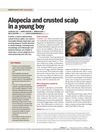 March 2026 in “Open MIND”
 Early treatment of scalp infections can prevent permanent hair loss.
December 2025 in “Journal of Human Immunity” JAK inhibitors may help improve symptoms in adults with APECED.
July 2025 in “Journal of Investigative Dermatology” Leflunomide may reduce the risk of alopecia areata, while methotrexate, cyclosporine, and rituximab may increase it.
 August 1994 in “Journal of dermatological science”
 Cyclosporin A and FK506 can start new hair growth in mice, but ascomycin and rapamycin cannot.
 6 citations
,
January 2023 in “Medical Mycology Journal”
6 citations
,
January 2023 in “Medical Mycology Journal” Fosravuconazole effectively treated a woman's scalp infection without side effects.
 November 2024 in “Rheumatology Advances in Practice”
 Rheumatology clinics should always provide preconception counseling for women on DMARDs.
1 citations
,
August 2024 in “Journal of Pharmacy & Pharmaceutical Sciences” The DPCP/HPβCD complex improves solubility and anti-inflammatory effects for alopecia areata treatment.
 November 2021 in “Journal of the European Academy of Dermatology and Venereology”
 Skin and mucosal issues can occur after COVID-19 in adults and children.
 January 2026 in “Preprints.org”
 Posaconazole effectively treated a resistant fungal infection in a Spitz dog.
May 2023 in “Asian Journal of Transfusion Science” Platelet-rich plasma helps treat hair loss, and better screening improves transfusion safety.
 23 citations
,
January 2005 in “Nihon Ishinkin Gakkai zasshi”
23 citations
,
January 2005 in “Nihon Ishinkin Gakkai zasshi” Nested PCR can reliably identify fungal infections when traditional methods fail.
 54 citations
,
November 1998 in “Archives of dermatology”
54 citations
,
November 1998 in “Archives of dermatology” Avoiding certain nutrients and drugs may help manage pemphigus.
August 2024 in “JAAD Case Reports” Upadacitinib successfully regrew hair in a child with alopecia universalis and specific genetic mutations.
October 2023 in “European Journal of Dermatology” Combining hair transplantation with PRP is more effective for treating hair loss than hair transplantation alone.
 6 citations
,
January 2019 in “Journal of dermatology”
6 citations
,
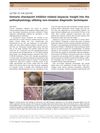
January 2019 in “Journal of dermatology” Immune checkpoint inhibitors used in cancer therapy can cause hair loss, and understanding this can help manage the side effect.
 2 citations
,
January 1990 in “Leukemia & Lymphoma”
2 citations
,
January 1990 in “Leukemia & Lymphoma” The combination of mitoxantrone, etoposide, and prednisolone is effective for treating relapsed lymphoma with manageable side effects.
25 citations
,
June 1998 in “Journal of Investigative Dermatology” Murine cytomegalovirus does not cause alopecia areata in these mice.