 August 2024 in “Frontiers in Pharmacology”
 Antibody treatments show promise for hair loss but need more research.

Good nutrition may help prevent premature hair graying.
 June 2024 in “Research Square (Research Square)”
 Increased cell death and reduced cell growth in hair follicles contribute to baldness.
 June 2024 in “Dermatology and therapy”
 Intramuscular injections improved hair density more than intradermal injections for treating hair loss.
 May 2024 in “Journal of drug delivery and therapeutics”
 PRP therapy helps improve hair growth and is safe for treating hair loss.
 April 2024 in “Journal of dermatology research reviews & reports”
 Using a laser helmet with Minoxidil works better for male hair loss than Minoxidil alone, with no extra side effects.
 April 2024 in “The Egyptian Journal of Hospital Medicine ”
 Current treatments for androgenetic alopecia manage symptoms but don't cure it, and it affects social and psychological well-being.
 March 2024 in “International journal of pharmaceutical sciences and drug research”
 Androgenetic alopecia is influenced by various factors and can be treated with medications, procedures, and non-drug methods.
 March 2024 in “Asian Journal of Advanced Research and Reports”
 Smoking and alcohol are linked to early hair graying.
 January 2024 in “International journal of homoeopathic sciences”
 Early intervention and patient education are crucial for managing alopecia areata.
 December 2023 in “Bulletin of the Medical Institute of Continuing Education”
 Angelica Dahurica extract helps reduce hair loss and improve hair growth and scalp condition.
 August 2023 in “International journal of research in medical sciences”
 The serum is safe and helps treat premature greying of hair.
 August 2023 in “International journal of research and review”
 Homeopathy can effectively treat pattern hair loss by using remedies like Lycopodium Clavatum and Natrum Muriaticum, tailored to the patient's overall condition.
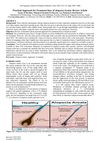 July 2023 in “The Egyptian Journal of Hospital Medicine ”
 The conclusion is that emotional support and a variety of treatments are important for alopecia areata, but more research is needed.
 June 2023 in “Sains Malaysiana”
 Cinchonine Nanostructured Lipid Carriers serum safely and effectively stimulates hair growth and increases the number and size of hair follicles.
 June 2023 in “International journal of pharmaceutical quality assurance”
 Videodermoscopy is effective for diagnosing different types of non-scarring hair loss.
 June 2023 in “Buletin de psihiatrie integrativă”
 Alopecia causes significant emotional distress and psychological issues, requiring combined skin and mental health treatment.
 October 2022 in “The Egyptian Journal of Hospital Medicine”
 Topical corticosteroids are the preferred first treatment for children with Alopecia Areata.
 September 2022 in “Skin appendage disorders”
 Seborrheic dermatitis may contribute to the development of central centrifugal cicatricial alopecia.
 July 2021 in “British Journal of Dermatology”
 A woman with systemic sclerosis developed a unique scarring hair loss combining features of systemic sclerosis and frontal fibrosing alopecia.
 April 2021 in “The journal of investigative dermatology/Journal of investigative dermatology”
 6.1% of patients seeking PRP for hair loss had undiagnosed cicatricial alopecia, which PRP cannot treat.
 April 2021 in “Journal of Investigative Dermatology”
 An AI photographic device effectively tracked hair growth improvements in women treated for hair loss.
 March 2021 in “bioRxiv (Cold Spring Harbor Laboratory)”
 Removing a specific gene in certain skin cells causes hair loss on the body by disrupting normal hair development.

Premature greying of hair affects the social lives of medical students but not their self-esteem.
 January 2018 in “Elsevier eBooks”
 The document concludes that alopecia has significant social and psychological effects, leading to a market for hair loss treatments.
 September 2017 in “Journal of Investigative Dermatology”
 Thermal imaging is a useful non-invasive method to diagnose active inflammation in frontal fibrosing alopecia.
 September 2016 in “Elsevier eBooks”
 Different types of hair loss in dogs and cats have various causes and treatments, with outcomes ranging from good to uncertain.
 August 2016 in “Journal of Investigative Dermatology”
 Blocking the CCR5 receptor may be a new way to treat hair loss from alopecia areata.
 April 2016 in “Journal of The American Academy of Dermatology”
 The study found that severe alopecia areata affects any age, treatments often give temporary results, and some factors predict worse outcomes.
Avicennia Marina extract and avicequinone C can reduce hair loss hormone production and increase hair growth factors, suggesting they could be used to treat androgenic alopecia.