 53 citations
,
May 2010 in “Dermatologic Surgery”
53 citations
,
May 2010 in “Dermatologic Surgery” Hair transplantation may not work for Frontal Fibrosing Alopecia as transplanted hair was lost when the disease came back.
 52 citations
,
June 1999 in “Endocrinology and Metabolism Clinics of North America”
52 citations
,
June 1999 in “Endocrinology and Metabolism Clinics of North America” Antiandrogen treatments combined with oral contraceptives can help manage hair growth and hair loss in women with PCOS.
 20 citations
,
January 2016 in “Intractable & Rare Diseases Research”
20 citations
,
January 2016 in “Intractable & Rare Diseases Research” Combination therapy, especially with finasteride, is effective for treating frontal fibrosing alopecia.
 12 citations
,
October 2016 in “Anais Brasileiros de Dermatologia”
12 citations
,
October 2016 in “Anais Brasileiros de Dermatologia” Frontal Fibrosing Alopecia may be linked to autoimmune diseases like Sjögren's syndrome.
 11 citations
,
September 2012 in “Journal of obstetrics and gynaecology Canada”
11 citations
,
September 2012 in “Journal of obstetrics and gynaecology Canada” Testosterone therapy seems safe for short-term use in postmenopausal women with low sexual desire, but more research on long-term effects is needed.
 9 citations
,
August 2018 in “Journal der Deutschen Dermatologischen Gesellschaft”
9 citations
,
August 2018 in “Journal der Deutschen Dermatologischen Gesellschaft” Most patients with frontal fibrosing alopecia are middle-aged women, often have thyroid disease, and some treatments can help stabilize the condition.
 4 citations
,
January 2019 in “Obstetrics & gynecology science”
4 citations
,
January 2019 in “Obstetrics & gynecology science” A PET-CT scan successfully located a hard-to-find Leydig cell tumor in a woman with hormonal symptoms.
 3 citations
,
October 2003 in “Annals of Oncology”
3 citations
,
October 2003 in “Annals of Oncology” A woman with low thyroid function did not lose her hair during chemotherapy, possibly because her hair follicles were less affected by the treatment.
 2 citations
,
January 2012 in “Hair therapy & transplantation”
2 citations
,
January 2012 in “Hair therapy & transplantation” Low serum ferritin levels are not closely linked to telogen effluvium in women.
 1 citations
,
June 2019 in “Innovare journal of medical sciences”
1 citations
,
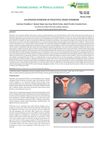
June 2019 in “Innovare journal of medical sciences” Polycystic Ovary Syndrome (PCOS) is a hormonal disorder in women that can cause infertility and other health issues, and it may be improved by treatments that increase insulin sensitivity.
 1 citations
,
June 2011 in “Journal of The American Academy of Dermatology”
1 citations
,
June 2011 in “Journal of The American Academy of Dermatology” Iron deficiency is common in women regardless of hair loss, and treating it does not usually reverse hair loss.
 January 2021 in “Biomedical Research-tokyo”
 Reticulocyte hemoglobin content is the best indicator of iron deficiency causing hair loss in women.
The study concludes that Twenty-nail dystrophy is more common in boys among children and in women among adults, with varying response to treatment.
 February 2011 in “Journal of the American Academy of Dermatology”
 A 60-year-old man with a long-term balding condition also developed a rare hair loss condition usually seen in postmenopausal women.
Patients with graft-versus-host disease often have nail changes related to the nail matrix, with severity not linked to skin condition.
 May 2009 in “Medical and surgical dermatology/Medical & surgical dermatology”
 Hair and nail conditions can stabilize or improve over time, and new treatments show promise.
 September 2018 in “Dermatologic Therapy”
 Finasteride at 2.5mg/day may help postmenopausal women with hair loss.
FemmeBalance supplement significantly improved PMS symptoms in women.
April 2020 in “International journal of reproduction, contraception, obstetrics and gynecology” A postmenopausal woman with hair loss and hirsutism improved after surgery to remove an ovarian tumor.
15 citations
,
May 2008 in “Actas Dermo-Sifiliográficas” Postmenopausal women with hair loss should get proper tests and consider treatments like minoxidil.
January 2026 in “Journal of Cosmetic Dermatology” Menopause reduces skin fat, but treatments like magnolol and PLLA-SCA can help restore skin health.
March 2026 in “The Journal of Sexual Medicine” Hormone therapy can improve sexual health and quality of life for women 70 and older.
 30 citations
,
July 2004 in “Fertility and Sterility”
30 citations
,
July 2004 in “Fertility and Sterility” Amenorrhea is when a woman doesn't have periods, with primary amenorrhea starting by age 15 or within five years of breast development, and secondary amenorrhea when periods stop for three months. It affects 3-4% of women not pregnant, breastfeeding, or in menopause, mainly due to polycystic ovary syndrome, hypothalamic amenorrhea, hyperprolactinemia, and ovarian failure.
January 2000 in “Elsevier eBooks” Menopause can cause skin to become dry, less elastic, and more wrinkled due to lower estrogen levels.
 99 citations
,
June 1999 in “The Journal of Clinical Endocrinology and Metabolism”
99 citations
,
June 1999 in “The Journal of Clinical Endocrinology and Metabolism” Testosterone replacement may help some postmenopausal women with symptoms like fatigue and low libido, but more research is needed to fully understand its effects.
Testosterone therapy may help women with low sexual desire after surgical menopause.
 72 citations
,
October 1998 in “Baillière's clinical endocrinology and metabolism”
72 citations
,
October 1998 in “Baillière's clinical endocrinology and metabolism” Long-term testosterone therapy can cause hormone suppression, affect prostate and heart health, and alter physical characteristics, but does not increase prostate cancer risk and needs more research for full risk assessment.
 May 2023 in “The journal of sexual medicine”
 Ovarian Hyperthecosis caused hypersexuality in an older woman and was successfully treated with surgery.
 90 citations
,
December 2007 in “Current Oncology”
90 citations
,
December 2007 in “Current Oncology” Non-hormonal treatments should be used first for sexual dysfunction in postmenopausal breast cancer patients on aromatase inhibitors, with hormones as a second option.
 November 2022 in “Journal of the Endocrine Society”
 A transman experienced lasting virilization symptoms after stopping testosterone, which were resolved with estradiol treatment.