 November 2020 in “TURKDERM”
 Hormonal treatments effectively manage acne in some women, especially with specific hormonal issues.
 August 2021 in “Research Square (Research Square)”
 Ferulic acid can reduce seizures and depression-like behaviors in catamenial epilepsy by balancing hormones and brain enzyme activity.
60 citations
,
June 2007 in “Pharmacology Biochemistry and Behavior” Blocking progesterone metabolism can cause depression-like behavior in mice.
 21 citations
,
December 2012 in “Maturitas”
21 citations
,
December 2012 in “Maturitas” Testosterone implants in women require pharmacological dosing to be effective and are generally safe and well-tolerated.
 2 citations
,
October 2002 in “American Journal of Nursing”
2 citations
,
October 2002 in “American Journal of Nursing” Taking the same medication under different brand names caused harmful side effects.
January 2019 in “Frontiers in neurology” A nutrition program improved a young woman's concussion symptoms.
Estrogens and progesterones can help manage various health issues.
 June 2022 in “Foodsci: Indian journal of research in foods and nutrition”
 Eating better, exercising, staying clean during periods, and learning about health can help reduce menstrual problems and improve life quality.
March 2018 in “Chin J Reprod Contracep” Chlormadinone acetate is useful for birth control and treating various hormonal issues.
 June 2018 in “Actas Dermo-Sifiliográficas”
 New treatments improve hair loss solutions for different age groups and genders.
 1 citations
,
December 2021 in “Pakistan biomedical journal”
1 citations
,
December 2021 in “Pakistan biomedical journal” Eating certain seeds may help reduce symptoms of Polycystic Ovary Syndrome.
 March 2026 in “Menopause The Journal of The North American Menopause Society”
 Migraines often worsen during perimenopause, but safe treatments are available.
 87 citations
,
July 2012 in “Expert Review of Clinical Immunology”
87 citations
,
July 2012 in “Expert Review of Clinical Immunology” Pregnancy can increase lupus activity, but careful planning and treatment can improve outcomes.
 1 citations
,
June 2014 in “International Journal of Dermatology”
1 citations
,
June 2014 in “International Journal of Dermatology” Pregnancy can trigger follicular mucinosis, which may resolve after delivery.
October 2019 in “DOAJ (DOAJ: Directory of Open Access Journals)” Menopausal acne is mainly caused by hormonal changes and can be managed with topical treatments, lifestyle changes, and sometimes medication.
35 citations
,
July 2008 in “International Journal of Gynecology & Obstetrics” MPA improved hormonal imbalances and acne in women with PCOS without affecting metabolism.
 14 citations
,
October 2019 in “International Journal of Women's Health”
14 citations
,
October 2019 in “International Journal of Women's Health” Menopausal acne is treated with medications and lifestyle changes, but careful choice is needed due to side effects.
20 citations
,
December 1994 in “Fertility and sterility” Flutamide combined with a low-dose birth control pill effectively reduces excessive hair growth in women with polycystic ovarian disease.
1 citations
,
July 2025 in “Functional Foods in Health and Disease” CL22209, an Asparagus racemosus extract, safely reduces perimenopausal symptoms and balances hormones.
15 citations
,
May 2021 in “Climacteric” Postmenopausal hyperandrogenism involves excess male hormones causing symptoms like hair growth and acne, and requires ruling out tumors and other disorders.
 1 citations
,
March 2021 in “Journal of Experimental Biology and Agricultural Sciences”
1 citations
,
March 2021 in “Journal of Experimental Biology and Agricultural Sciences” Flaxseed crackers can help reduce symptoms of PCOS in young women.
 June 2020 in “International Journal of Research in Dermatology”
 Early postmenopausal women often experience skin issues like vaginal dryness, swallowing difficulties, hair loss, and uncommonly, keratoderma and hirsutism, but many are unaware these are related to menopause.
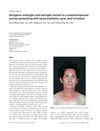 August 2009 in “International Journal of Dermatology”
 A postmenopausal woman's facial redness, acne, and excess hair were caused by too much hormone therapy for insomnia, but improved after stopping the treatment.
 July 1998 in “Chromatographia”
 Women with effluvium have higher levels of certain urinary steroids, possibly due to stress and increased adrenal activity.
 4 citations
,
January 2015 in “Journal of Mid-life Health”
4 citations
,
January 2015 in “Journal of Mid-life Health” The most common skin problems in perimenopausal women in South India are infections, eczemas, and acne, possibly worsened by external factors and lifestyle practices.
 September 1997 in “Journal of the European Academy of Dermatology and Venereology”
 Hirsute women with ovarian-sourced hirsutism are more likely to have irregular periods, with higher BMI and altered hormone ratios.
 November 2024 in “Gynecological Endocrinology”
 The article's findings are uncertain and should be viewed with caution.
 2 citations
,
November 2020 in “Fertility Research and Practice”
2 citations
,
November 2020 in “Fertility Research and Practice” The survey helps identify menstrual irregularities and excess male hormones, aiming to detect conditions like Polycystic Ovary Syndrome.
 130 citations
,
September 1990 in “Journal of the American Academy of Dermatology”
130 citations
,
September 1990 in “Journal of the American Academy of Dermatology” Flutamide effectively reduced excessive hair growth and improved related symptoms in hirsutism patients without significant side effects.
 9 citations
,
April 2015 in “Dermatologic Therapy”
9 citations
,
April 2015 in “Dermatologic Therapy” Hormonal therapies, like flutamide and cyproterone acetate, are safe and effective for treating adult women's acne, especially those with hormone imbalance or resistant acne.