 January 2024 in “Bright Sky Publications eBooks”
 Helicobacter pylori infection is common in Southern Iraq gastritis patients, affecting 64.1%.
 January 2023 in “Zenodo (CERN European Organization for Nuclear Research)”
 Olive oil can help regrow hair lost due to COVID-19 or vaccination.

Cepharanthine and tetrandrine show promise as COVID-19 drugs.
 December 2020 in “Innovation in aging”
 Rapamycin treatment helps reduce brain inflammation and symptoms of mitochondrial disease by blocking specific pathways in mice.
 May 2020 in “Research Square (Research Square)”
 Bone marrow stem cells help heal intestines and reduce death in liver failure.
 January 2019 in “Skin appendage disorders”
 A woman's hair loss was linked to a rare hormone-secreting ovarian tumor, treated with surgery and hair loss medication.
 November 2018 in “BDJ Team”
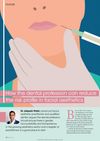
 Dental professionals should ensure safety in facial aesthetics by being properly trained and registered.
 October 2018 in “Journal of the European Academy of Dermatology and Venereology”
 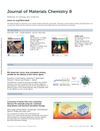 January 2016 in “Journal of Materials Chemistry B”
 Advancements in biomaterials and nanotechnology are improving medical applications like hair growth, bone regeneration, and cancer treatment.
 December 2015 in “Focus on catalysts”
 Pomiferin may improve skin and scalp health by boosting important protein expression.

North American ginseng extract helped regrow hair in balding mice.
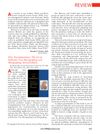 January 2015 in “Plastic and Reconstructive Surgery”
 The book is a valuable guide for hair restoration surgeons.
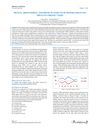 December 2014 in “Annals of psychophysiology”
 Power-enhancing drugs can cause mood swings, aggression, anxiety, and physical side effects, questioning their overall benefits.
 January 2014 in “Michigan telecommunications and technology law review”
 Zinc deficiency in alcoholic cirrhosis patients causes skin issues, and zinc treatment improves symptoms.
 January 2013 in “Dermatologic Clinics”
 Hair disorders need a holistic approach, including medical, cosmetic, and psychological support.
 January 2013 in “프로그램북(구 초록집)”
 Hair restoration surgery is improving, with less painful techniques like FUE and robotic systems, but they can be costly and require training.
 January 2011 in “Journal of Human Genetics”
 A Japanese patient with a rare genetic disorder had a less severe case than others, suggesting other factors may affect symptoms.
 November 2009 in “Regenerative Medicine”
 The regenerative medicine industry saw business growth with new partnerships, clinical trials, and financial investments.
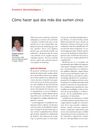 January 2007 in “Más dermatología”
 Gentle hair care and some medications can help manage hair shaft disorders, but no specific treatment exists for congenital issues.
 January 2007 in “Revista del Centro Dermatológico Pascua”
 A 2-year-old boy was diagnosed with a rare genetic condition causing fragile hair, intellectual issues, and short stature.
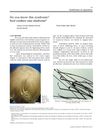
The document concludes that Loose Anagen Hair Syndrome is a benign condition where hair is thin and easily pulled out, often improving with age.
 February 2000 in “Plastic and Reconstructive Surgery”
 The "Color Atlas of Hair Restoration Surgery" is a clear, practical guide for hair restoration procedures, covering topics like flaps, grafts, and planning, and is known for its helpful photos.
 July 1997 in “The Lancet”
 A new protein linked to Alzheimer's was discovered, and a hair loss treatment showed effectiveness but had some sexual side effects.
 July 1997 in “The Lancet”
 Finasteride increased hair count and regrowth in men with hair loss but also caused more sexual side effects than placebo.
 July 1996 in “Trends in Endocrinology and Metabolism”
 The book is a valuable reference on androgenic disorders for professionals but not suitable for laypeople or medical students.
 January 1984 in “Pediatric Dermatology”
 The document concludes that some dermatology books are useful for their photos or specific topics, while others have limitations like poor quality images or content.
 January 1983 in “Journal of The American Academy of Dermatology”
 The document suggests improvements for a hair and scalp disease book and recommends a two-volume skin surgery reference for dermatologists.
 July 1980 in “International Journal of Dermatology”
 Aloe vera gel is effective for treating skin conditions and is used in many cosmetic products.
 October 2020 in “Journal of Pharmaceutical Sciences”
 Topical finasteride with EGCG or TA improves drug release and dermal uptake, potentially treating hair loss effectively.

Hair loss in African American women, caused by hair care, genetics, and environment, needs more research for better treatment.