 January 2023 in “Türkiye klinikleri adli tıp ve adli bilimler dergisi”
 DNA markers can help predict male pattern baldness, useful in criminal and missing person cases.
Integrating ABI screening in clinics can improve patient care for those at risk of peripheral artery disease.
March 2023 in “The Journal of Urology” Higher SRD5A2 expression predicts better response to finasteride in treating urinary symptoms.
 57 citations
,
November 2017 in “Nature Communications”
57 citations
,
November 2017 in “Nature Communications” Researchers found 71 genetic regions linked to male pattern baldness, which account for 38% of its genetic risk.
1 citations
,
April 2008 in “Progrès en Urologie” Systematic end-of-trial biopsies are the most reliable way to assess outcomes.
3 citations
,
October 2021 in “bioRxiv (Cold Spring Harbor Laboratory)” scINSIGHT helps understand single-cell gene expression better than current methods.
1 citations
,
January 2026 in “International Journal of Dermatology” The BEARD Score helps assess beard hair loss in alopecia areata for better treatment.
Machine learning improves DNA predictions for eye and hair color, but challenges remain for skin tone and facial features.
 March 2024 in “Research Square (Research Square)”
 Combining genetic and physical trait analysis improves diagnosis accuracy for monogenic diabetes.
September 2025 in “Middle East Fertility Society Journal” Efficient PCOS screening is crucial for early detection, with lifestyle factors like fruit intake potentially aiding prevention.
 6 citations
,
February 2025 in “Scientific Reports”
6 citations
,
February 2025 in “Scientific Reports” MEGA PROTAC improves prediction and ranking of protein complexes better than existing methods.
14 citations
,
January 2003 in “Skin Research and Technology” The new scalp coverage scoring method accurately measures hair loss and growth in men.
November 2007 in “Cancer Epidemiology and Prevention Biomarkers” Higher C-peptide levels in African-American men and higher HbA1c levels in Caucasian men are linked to lower PSA levels.
 11 citations
,
March 2021 in “Dermatology and therapy”
11 citations
,
March 2021 in “Dermatology and therapy” Researchers created a new tool to measure the effects of alopecia areata from the patient's view, focusing on hair loss, daily life, and emotional health.
 1 citations
,
January 2019 in “PubMed”
1 citations
,
January 2019 in “PubMed” Baldness score can't be used to predict prostate size.
Machine learning can improve early and accurate detection of PCOS.
December 2021 in “Skin appendage disorders” A reliable severity score for female pattern hair loss was developed and validated.
1 citations
,
June 2020 in “British Journal of Dermatology” The new measure helps understand the personal and emotional impact of hair loss in alopecia areata patients.
 11 citations
,
February 2019 in “Research and reports in forensic medical science”
11 citations
,
February 2019 in “Research and reports in forensic medical science” DNA phenotyping helps predict physical traits from DNA with varying accuracy and requires careful ethical and legal handling.
January 2005 in “Fuzhou daxue xuebao. Ziran kexue ban” The method is quick and effective for testing steroid 5 alpha-reductase inhibitors.
 383 citations
,
February 2011 in “Nature Reviews Genetics”
383 citations
,
February 2011 in “Nature Reviews Genetics” DNA profiling in forensics has improved, but predicting physical traits and ancestry from DNA has limitations and requires ethical consideration.
January 2006 in “OpenMETU (Middle East Technical University)” The same drug is priced differently based on its use.
January 2025 in “Indian Journal of Biochemistry and Biophysics” The uric acid to creatinine ratio is a strong indicator for diagnosing PCOS.
November 2025 in “Psychoneuroendocrinology” Hair proteomics could be a useful, non-invasive tool for identifying stress-related disorders.
 3 citations
,
November 2018 in “The Journal of Clinical Psychiatry”
3 citations
,
November 2018 in “The Journal of Clinical Psychiatry” Odds Ratios can be misleading; it's better to also present risk and Relative Risks for clarity.
December 2020 in “Open Repository of the University of Porto (University of Porto)” 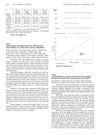 April 2013 in “The Journal of Urology”
 Researchers created a simple tool to predict bladder blockage from prostate enlargement using urine flow rate and prostate volume.
 April 2012 in “The Journal of Urology”
 Patients with metabolic syndrome had lower Gleason scores when diagnosed with prostate cancer.
2 citations
,
July 2025 in “Drug development & registration” A new algorithm accurately analyzes animal coat and skin colors quickly and easily.
 August 2019 in “bioRxiv (Cold Spring Harbor Laboratory)”
 The model successfully predicted new uses for existing drugs, like using certain hormonal and heart medications for respiratory and Parkinson's diseases, and a cancer drug for diabetes.