 5 citations
,
August 2014 in “Pharmaceutical Development and Technology”
5 citations
,
August 2014 in “Pharmaceutical Development and Technology” Propylene glycol and ethanol increase finasteride skin absorption, sodium lauryl sulfate doesn't.
 11 citations
,
January 2006 in “Drug development and industrial pharmacy”
11 citations
,
January 2006 in “Drug development and industrial pharmacy” Adding TPGS to minoxidil solutions can improve skin penetration and retention, especially in water and PEG 400-based solutions.
 7 citations
,
February 2019 in “Journal of Molecular Liquids”
7 citations
,
February 2019 in “Journal of Molecular Liquids” Minoxidil dissolves better in propylene glycol and water as temperature and propylene glycol amount increase.
 18 citations
,
March 2014 in “Drug Development and Industrial Pharmacy”
18 citations
,
March 2014 in “Drug Development and Industrial Pharmacy” New gel formulas without ethanol and propylene glycol, containing a minoxidil-methyl-β-cyclodextrin complex, have been created for treating hair loss.
January 2021 in “Medical research archives” The 5% minoxidil lotion without propylene glycol is effective, well-tolerated, and cosmetically acceptable for hair loss.
 14 citations
,
July 1987 in “Contact Dermatitis”
14 citations
,
July 1987 in “Contact Dermatitis” A small percentage of minoxidil users may develop an allergic skin reaction.
 32 citations
,
May 1995 in “Contact Dermatitis”
32 citations
,
May 1995 in “Contact Dermatitis” Minoxidil can cause allergic reactions, but testing helps identify the cause.
 29 citations
,
August 1985 in “Contact Dermatitis”
29 citations
,
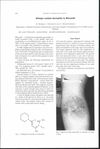
August 1985 in “Contact Dermatitis” Minoxidil can cause allergic reactions like burning, itching, and red bumps.
 13 citations
,
January 1988 in “Contact Dermatitis”
13 citations
,
January 1988 in “Contact Dermatitis” Some patients using Minoxidil for baldness developed allergic skin reactions.
 55 citations
,
June 2009 in “Journal of Pharmaceutical Sciences”
55 citations
,
June 2009 in “Journal of Pharmaceutical Sciences” Minoxidil promotes hair growth by penetrating skin, with ethanol-containing formulas working best.
 28 citations
,
November 2020 in “Fluid Phase Equilibria”
28 citations
,
November 2020 in “Fluid Phase Equilibria” Minoxidil dissolves better in propylene glycol + water than in supercritical CO2.
 16 citations
,
December 2016 in “Skin appendage disorders”
16 citations
,
December 2016 in “Skin appendage disorders” Nickel, cobalt, balsam of Peru, fragrance mix, carba mix, and propylene glycol are common allergens causing scalp contact dermatitis.
 May 2026 in “International Journal of Versatile Research and Analysis”
 The herbal hair serum with hibiscus and amla effectively improves hair health and reduces dandruff.
 December 2022 in “Journal of Tropical Pharmacy and Chemistry”
 The hair tonic made from oil palm leaf extract is very effective in preventing hair damage from the sun.
 March 2002 in “Clin-Alert”
 In 2002, various drugs caused serious side effects, including vitamin B12 deficiency, heart issues, blindness, hypersexuality, allergic reactions, blood clotting problems, pupil dilation, capillary leak syndrome, muscle breakdown, hepatitis, skin reactions, and lupus.
 September 1987 in “International Journal of Dermatology”
 Dr. Baral observed that applying minoxidil can cause hair to grow in areas other than where it was applied.
 January 2024 in “Advances in health sciences research/Advances in Health Sciences Research”
 Sweet potato leaf extract can effectively treat dandruff.
April 2025 in “Acta Dermato Venereologica” Accurate diagnosis is crucial to distinguish between allergy and irritation from topical minoxidil.
 7 citations
,
January 2021 in “Cureus”
7 citations
,
January 2021 in “Cureus” A woman had an allergic skin reaction to a hair loss treatment containing minoxidil and should not use it.
7 citations
,
August 2020 in “Majalah Farmasetika” A herbal hair tonic with 2.5% green tea extract is most effective for hair growth.
1 citations
,
January 2022 in “Journal of Drug Delivery Science and Technology” The optimized microemulsion with cinnamon oil effectively delivers finasteride through the skin without damaging hair.
March 2025 in “Molecules” Tectona grandis leaf extracts, especially with propylene glycol, may be promising for topical hair loss treatments.
 June 2024 in “Majallah-i dānishgāh-i ̒ulum-i pizishkī-i Kirmān.”
 Eucalyptus and Tween 80 most effectively increase cetirizine skin absorption.
October 2025 in “Journal of Drug Delivery Science and Technology” Resveratrol-loaded carriers may help reduce hair loss from chemotherapy when used with scalp cooling.
 August 2025 in “International Journal of Pharmaceutical Sciences and Nanotechnology”
 The new minoxidil nanoemulgel may treat hair loss more effectively with fewer side effects.
 July 2023 in “Journal of exploratory research in pharmacology”
 A new psoriasis lotion called "Psorisbye" improved symptoms in a patient within one week.
 October 2022 in “Journal of Kermanshah University of Medical Sciences”
 Different substances can affect how well the skin absorbs minoxidil, a hair loss drug. Caprylic acid helps the skin absorb it the best, followed by propylene glycol and water.
2 citations
,
May 2022 in “Journal of Industrial and Engineering Chemistry” Minoxidil-loaded nanoparticles effectively promote hair regrowth and are safe for use.
 100 citations
,
June 2011 in “Journal of The American Academy of Dermatology”
100 citations
,
June 2011 in “Journal of The American Academy of Dermatology” 5% minoxidil foam once daily works as well as 2% minoxidil solution twice daily for female hair growth and is more convenient.
 23 citations
,
April 1991 in “Journal of The American Academy of Dermatology”
23 citations
,
April 1991 in “Journal of The American Academy of Dermatology” Minoxidil solution can cause skin irritation and allergies in some users.