 June 2023 in “SPIRE - Sciences Po Institutional REpository”
 Extracellular vesicles and androgen receptors may help identify prostate cancer resistance and reduce SARS-CoV-2 infection.
 72 citations
,
October 1998 in “Baillière's clinical endocrinology and metabolism”
72 citations
,
October 1998 in “Baillière's clinical endocrinology and metabolism” Long-term testosterone therapy can cause hormone suppression, affect prostate and heart health, and alter physical characteristics, but does not increase prostate cancer risk and needs more research for full risk assessment.
224 citations
,
February 2013 in “The Journal of clinical investigation/The journal of clinical investigation” ERG increases SOX9, promoting prostate cancer growth and invasion.
30 citations
,
June 2010 in “Endocrine Related Cancer” SRD5A1 is crucial in advanced prostate cancer, and blocking both SRD5A1 and SRD5A2 is more effective than targeting SRD5A2 alone.
 December 2023 in “International Journal of Molecular Sciences”
 Men with early balding showed higher levels of certain genes linked to hair loss and possibly prostate cancer.
 1 citations
,
July 2024 in “The International Journal of Medical Science and Health Research”
1 citations
,
July 2024 in “The International Journal of Medical Science and Health Research” 5α-reductase inhibitors may help with prostate cancer but could increase the risk of severe tumors, so careful use is advised.
 February 2026 in “Mendeley Data”
 Using 5-alpha reductase inhibitors may lower prostate cancer risk in people with androgenetic alopecia.
83 citations
,
October 2012 in “International Journal of Oncology” Wedelolactone selectively kills prostate cancer cells without harming normal cells.
3 citations
,
October 2025 in “Cancer” PROTACs offer a new, precise way to treat cancer by breaking down harmful proteins.
 3 citations
,
March 2005 in “The Journal of urology/The journal of urology”
3 citations
,
March 2005 in “The Journal of urology/The journal of urology” Dutasteride may help shrink prostate cancer tumors.
1 citations
,
September 2010 in “UEF eRepo (University of Eastern Finland)” Androgen receptors help prostate cancer cells grow and resist drugs.
 September 2009 in “European Urology Supplements”
 IGRT resulted in lower acute toxicity for stage III prostate cancer patients.
Finasteride reduces prostate cancer risk but may increase high-grade tumors; new drugs and better diagnosis are in development, but funding and industry commitment are challenges.
April 2005 in “The Journal of urology/The journal of urology” Dutasteride may help treat prostate cancer by causing cancer cells to shrink and die.
 1 citations
,
January 2022 in “European Journal of Pharmacology”
1 citations
,
January 2022 in “European Journal of Pharmacology” Riboflavin 5′-phosphate (FMN) shows potential for treating androgen-related conditions but may be limited in treating prostate cancer.
 13 citations
,
May 2018 in “Urologic Oncology: Seminars and Original Investigations”
13 citations
,
May 2018 in “Urologic Oncology: Seminars and Original Investigations” Finasteride does not prevent bladder cancer.
6 citations
,
June 2016 in “Journal of receptor and signal transduction research” Minoxidil increases calcium levels and kills prostate cancer cells independently of calcium.
January 2021 in “Faculty of 1000 Research Ltd” Phytochemicals may offer safer alternatives to synthetic drugs for prostate cancer treatment.
 45 citations
,
January 2020 in “International Journal of Molecular Sciences”
45 citations
,
January 2020 in “International Journal of Molecular Sciences” Some natural compounds may help overcome drug resistance in certain cancers, but more research is needed.
 2 citations
,
January 2011 in “Clinical medicine insights”
2 citations
,
January 2011 in “Clinical medicine insights” Dutasteride is effective for treating prostate enlargement and reducing related surgery risk, but is not approved for preventing prostate cancer.
Finasteride may improve prostate cancer therapy by enhancing testosterone's benefits and reducing risks.
 May 2011 in “Expert Review of Endocrinology & Metabolism”
 Breast cancer survivors may have a higher risk of falls, tamoxifen could prevent breast cancer and deaths, new guidelines urge caution with prostate cancer therapy, and early balding in men may indicate a higher prostate cancer risk.
 4 citations
,
June 2017 in “Endocrine Reviews”
4 citations
,
June 2017 in “Endocrine Reviews” Dihydrotestosterone (DHT) mainly affects nearby cells, doesn't significantly change prostate hormonal environment or cancer risk, and doesn't play a main role in causing hair loss or acne. More research is needed on its effects on heart health, sexual function, and bone health.
 9 citations
,
January 2018 in “Journal of the European Academy of Dermatology and Venereology”
9 citations
,
January 2018 in “Journal of the European Academy of Dermatology and Venereology” A male patient developed frontal fibrosing alopecia after antiandrogen therapy for prostate cancer.
91 citations
,
July 2004 in “Journal of Biological Chemistry” Overexpressing SSAT enzyme reduces prostate tumor growth in mice.
36 citations
,
July 2022 in “Journal of Medicinal Chemistry” Therapies targeting the androgen receptor are being developed to treat prostate cancer and improve bone and muscle health.
January 2026 in “Journal of Pharmacy & Bioresources” Many patients with benign prostatic hyperplasia experience high anxiety and residual symptoms, needing better anxiety management.
8 citations
,
July 2004 in “The Journal of Clinical Endocrinology & Metabolism” Finasteride is effective for treating BPH but not recommended for prostate cancer prevention.
April 2011 in “The Journal of Urology” Starting finasteride at age 65 and continuing until age 80 is the most cost-effective strategy for prostate cancer prevention.
 October 2010 in “International Journal of Dermatology”
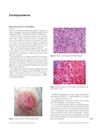
 An 86-year-old man with prostate cancer was diagnosed with a rare, low-grade breast cancer and underwent surgery but declined additional hormone therapy.