280 citations
,
May 2005 in “Andrology” Testosterone treatment for older men can have short-term benefits, but long-term risks are unclear, requiring careful evaluation and monitoring.
 218 citations
,
December 2011 in “Advances in Urology”
218 citations
,
December 2011 in “Advances in Urology” The document concludes that the 5 alpha-reductase enzymes are important in steroid metabolism and related to various human diseases, with inhibitors used to treat conditions like male pattern baldness and prostate issues.
 139 citations
,
December 2020 in “Cell Stem Cell”
139 citations
,
December 2020 in “Cell Stem Cell” Male hormones affect COVID-19 severity and certain drugs targeting these hormones could help reduce the risk.
129 citations
,
February 2006 in “Andrology” Men with low testosterone should be carefully evaluated and monitored before and during treatment.
 125 citations
,
January 1999 in “Drugs”
125 citations
,
January 1999 in “Drugs” Finasteride effectively treats baldness but may cause sexual side effects.
 124 citations
,
September 1992 in “Endocrinology”
124 citations
,
September 1992 in “Endocrinology” The human type II 5α-reductase gene, linked to certain male health conditions, has a specific structure and low similarity to other related genes.
 121 citations
,
November 2020 in “Endocrine”
121 citations
,
November 2020 in “Endocrine” Male hormones like testosterone may make COVID-19 worse, and testing for sensitivity to these hormones could help predict how severe a patient's symptoms might be. Treatments that reduce these hormones are being explored.
 118 citations
,
May 2003 in “Toxicological Sciences”
118 citations
,
May 2003 in “Toxicological Sciences” Exposure to finasteride in the womb caused lasting reproductive issues in male rats.
 110 citations
,
October 2019 in “Translational Andrology and Urology”
110 citations
,
October 2019 in “Translational Andrology and Urology” More men are getting benign prostatic hyperplasia, and there are many treatments, from medication to surgery, with new methods being developed.
 110 citations
,
April 2002 in “The Journal of clinical endocrinology and metabolism/Journal of clinical endocrinology & metabolism”
110 citations
,
April 2002 in “The Journal of clinical endocrinology and metabolism/Journal of clinical endocrinology & metabolism” Dihydrotestosterone gel improved well-being and sexual function in older men without negatively affecting prostate health.
 109 citations
,
April 2000 in “European Urology”
109 citations
,
April 2000 in “European Urology” Finasteride lowers risk of urinary issues and surgery by over 50% in 4 years.
 104 citations
,
October 1999 in “The Journal of Urology”
104 citations
,
October 1999 in “The Journal of Urology” Finasteride doesn't harm male fertility or sperm quality, but may slightly reduce ejaculate volume.
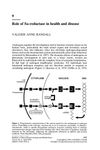 101 citations
,
April 1994 in “Baillière's clinical endocrinology and metabolism”
101 citations
,
April 1994 in “Baillière's clinical endocrinology and metabolism” 5α-reductase is essential for male sexual development and its inhibitors have potential in treating various conditions related to hormone action.
 97 citations
,
November 1986 in “Journal of Steroid Biochemistry”
97 citations
,
November 1986 in “Journal of Steroid Biochemistry” Antiandrogens affect androgen-dependent body functions and are used for various medical conditions, with some risks like fetus feminization, but new forms like 17α-propylmesterolone show promise for acne without systemic effects.
 92 citations
,
November 2003 in “The Journals of Gerontology”
92 citations
,
November 2003 in “The Journals of Gerontology” Testosterone supplements can increase muscle mass and strength in older men with low levels, but long-term effects and risks need more research.
 88 citations
,
February 2008 in “Journal of Medicinal Chemistry”
88 citations
,
February 2008 in “Journal of Medicinal Chemistry” Scientists made the first metal-based compounds from a nonsteroidal antiandrogen drug, which showed potential in fighting both hormone-dependent and independent prostate cancer cells.
 72 citations
,
October 1998 in “Baillière's clinical endocrinology and metabolism”
72 citations
,
October 1998 in “Baillière's clinical endocrinology and metabolism” Long-term testosterone therapy can cause hormone suppression, affect prostate and heart health, and alter physical characteristics, but does not increase prostate cancer risk and needs more research for full risk assessment.
 61 citations
,
May 2010 in “Integrative Cancer Therapies”
61 citations
,
May 2010 in “Integrative Cancer Therapies” There is no clear recommendation for using selenium in cancer patients; it may be beneficial to correct low selenium levels before treatment.
56 citations
,
November 2007 in “Molecular and cellular endocrinology” Two enzymes regulate androgen receptor activity, affecting treatments for androgen insufficiency and benign prostatic hyperplasia.
 54 citations
,
November 2001 in “Urology”
54 citations
,
November 2001 in “Urology” The length of the CAG repeat in the androgen receptor gene affects the risk and progression of prostate cancer, BPH, infertility, and undermasculinized genitalia.
 51 citations
,
May 2013 in “The Journal of Steroid Biochemistry and Molecular Biology”
51 citations
,
May 2013 in “The Journal of Steroid Biochemistry and Molecular Biology” Certain drugs that block specific enzymes can help treat prostate diseases.
51 citations
,
June 1970 in “British journal of dermatology/British journal of dermatology, Supplement” Antiandrogens may help treat conditions like excessive hair growth, prostate tumors, male baldness, and acne by blocking male hormone effects.
 49 citations
,
January 2004 in “Journal of steroid biochemistry and molecular biology/The Journal of steroid biochemistry and molecular biology”
49 citations
,
January 2004 in “Journal of steroid biochemistry and molecular biology/The Journal of steroid biochemistry and molecular biology” Selective non-steroidal inhibitors of 5α-reductase type 1 can help treat DHT-related disorders.
 49 citations
,
December 1997 in “Urology”
49 citations
,
December 1997 in “Urology” Tamoxifen effectively treats gynecomastia without causing impotence.
 46 citations
,
September 2011 in “Journal of Endocrinology”
46 citations
,
September 2011 in “Journal of Endocrinology” Natural 5α-reduced glucocorticoids might be anti-inflammatory with fewer side effects than current options.
46 citations
,
January 2005 in “PubMed” Older men with severe symptoms and larger prostates should focus on prevention, using finasteride and alpha-blockers to manage acute urinary retention.
45 citations
,
April 2021 in “Current Treatment Options in Oncology” ADT for prostate cancer may harm the heart, but GnRH antagonists might be safer.
 45 citations
,
January 2012 in “The Journal of Steroid Biochemistry and Molecular Biology”
45 citations
,
January 2012 in “The Journal of Steroid Biochemistry and Molecular Biology” Too much AKR1C3 enzyme causes resistance to finasteride by increasing testosterone.
 43 citations
,
August 2016 in “Scientific Reports”
43 citations
,
August 2016 in “Scientific Reports” Cinnamomi cortex may help treat prostate enlargement by reducing related proteins.
42 citations
,
May 2007 in “Endocrinology and metabolism/American journal of physiology: endocrinology and metabolism” Testosterone can build muscle and bone without enlarging the prostate when a specific enzyme is blocked.