 6 citations
,
May 2022 in “Research and reports in urology”
6 citations
,
May 2022 in “Research and reports in urology” Caesalpinia bonduc seed extracts may help treat enlarged prostate in rats.
 6 citations
,
January 2020 in “The Aging Male”
6 citations
,
January 2020 in “The Aging Male” Testosterone replacement therapy improved blood sugar and fat levels without raising prostate cancer risk in Japanese men with low testosterone.
6 citations
,
June 2009 in “Journal of Clinical Oncology” 5-α-reductase inhibitors don't prevent prostate cancer but may reduce unnecessary biopsies.
5 citations
,
June 2015 in “Chinese journal of natural medicines/Zhongguo tianran yaowu/Chinese Journal of Natural Medicines” Tripterygium wilfordii multiglycoside effectively reduced prostate enlargement in rats without harmful effects.
 5 citations
,
September 2012 in “The Journal of Urology”
5 citations
,
September 2012 in “The Journal of Urology” Early hair loss may indicate future prostate issues.
 5 citations
,
January 2010 in “Acta Chirurgica Iugoslavica”
5 citations
,
January 2010 in “Acta Chirurgica Iugoslavica” Higher urethral PSA levels after prostate removal may be linked to more scalp hair loss and more PSA in urethral glands.
 4 citations
,
May 2013 in “Canadian Urological Association Journal”
4 citations
,
May 2013 in “Canadian Urological Association Journal” Finasteride reduces prostate cancer risk by 30% without affecting Gleason scores.
 3 citations
,
June 1999 in “The Prostate”
3 citations
,
June 1999 in “The Prostate” Finasteride reduces PSA levels, terazosin doesn't affect them, and tracking prostate cancer in patients taking finasteride could be difficult.
 1 citations
,
June 2025 in “Scientific Reports”
1 citations
,
June 2025 in “Scientific Reports” Hydroxychloroquine may help treat benign prostatic hyperplasia by reducing inflammation and promoting cell death.
1 citations
,
September 2024 in “African Journal of Urology” Dutasteride is slightly better than finasteride for treating BPH but has fewer sexual side effects.
 1 citations
,
November 2016 in “Journal of the Dermatology Nurses’ Association”
1 citations
,
November 2016 in “Journal of the Dermatology Nurses’ Association” Finasteride treats hair loss but may cause side effects like low libido and dizziness.
1 citations
,
April 2014 in “Journal of the Korean Society of Food Science and Nutrition” Unripe Rubus occidentalis extracts may help treat benign prostatic hyperplasia.
1 citations
,
October 2008 in “Urology” PSA levels help determine prostate size and guide treatment choices for benign prostatic hyperplasia.
1 citations
,
December 2005 in “The Journal of Urology” Combination therapy for BPH is more effective in certain men but may not be cost-effective due to minimal impact and potential side effects.
1 citations
,
August 2002 in “PubMed” Finasteride effectively slowed hair loss and promoted hair growth in Taiwanese men.
 June 2026 in “World Journal of Urology”
 Long-term finasteride use may lead to earlier use of ED medication and lower prostate cancer diagnosis rates.
January 2026 in “Journal of Pharmacy & Bioresources” Many patients with benign prostatic hyperplasia experience high anxiety and residual symptoms, needing better anxiety management.
 April 2025 in “Al-Rafidain Journal of Medical Sciences ( ISSN 2789-3219 )”
 Cuscuta reflexa extract may help treat benign prostatic hyperplasia by reducing inflammation and oxidative stress.

Olive leaves extract may help treat benign prostatic hyperplasia (BPH).
 January 2025 in “HORMONES”
 Gender-affirming hormone treatments need better patient-focused outcome measurements and standardized data collection.
July 2023 in “International Journal of Molecular Sciences” Trapa bispinosa Roxb. extract may help reduce prostate size and cell growth in BPH.
August 2019 in “KMOU Repository (Korea Maritime and Ocean University)” Sapium rotundifolium extract may help treat enlarged prostate.
October 2017 in “Universidad Nacional de Trujillo” Low doses of Coffea arabica seed extract prevent prostate growth and lower uric acid and PSA levels.
July 2014 in “Urologia Journal” 5ARI treatment improves PSA test accuracy for prostate cancer diagnosis.
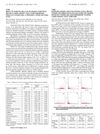 April 2013 in “The Journal of Urology”
 Higher CRP levels suggest chronic inflammation is linked to bladder-related urinary symptoms in men with enlarged prostates.
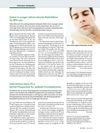
Early balding may be a sign of future prostate problems.
April 2011 in “Cancer Research” 20(S)-Protopanaxadiol-aglycone may help prevent and treat prostate cancer by reducing androgen receptor activity.
 September 2010 in “European Urology Supplements”
 PSA testing is a reliable method for detecting prostate cancer, and opioids may lower PSA levels, but triglycerides don't affect prostate cancer risk.
 September 2010 in “European Urology Supplements”
 Higher urethral PSA levels after prostate removal surgery may be linked to more hair loss and higher PSA levels post-surgery.
 March 2009 in “The Journal of Urology”
 Shorter PSADT after prostate surgery is linked to higher risk of death.