 September 2009 in “European Urology Supplements”
 After prostate removal surgery, higher initial prostate size was linked to higher urethral PSA levels and more severe male pattern baldness.
 September 2009 in “European Urology Supplements”
 Surgery for high-risk prostate cancer is challenging but doesn't lead to more complications, and additional treatment is often needed.
 March 2009 in “The Journal of Urology”
 Shorter PSADT after prostate surgery is linked to higher risk of death.
 October 2008 in “The Journal of Urology”
 Finasteride reduces prostate cancer risk but may increase high-grade tumors and has side effects; biopsy methods have similar outcomes; psychosocial factors affect sexual recovery post-surgery.
 August 2008 in “Current Opinion in Internal Medicine”
 In 2007, prostate cancer research improved understanding of risk, diagnosis, and treatment, but also showed heart risks with certain therapies and the need for personalized care.
 February 2007 in “Faculty Opinions – Post-Publication Peer Review of the Biomedical Literature”
 Taking 1mg of finasteride daily for hair loss can lower PSA levels by 40-50%, so to keep PSA effective as a cancer screening tool, the PSA value should be doubled during treatment.
 January 2007 in “El Servicio de Difusión de la Creación Intelectual (National University of La Plata)”
 Combining D-004 and finasteride is more effective at reducing prostate enlargement than using either alone.
 October 2006 in “Aging Health”
 Dutasteride effectively treats benign prostatic obstruction, improves urinary flow, reduces prostate size, and may prevent prostate cancer, but can cause sexual side effects.
 June 2006 in “American Journal of Epidemiology”
 Higher BMI is linked to a lower risk of non-aggressive prostate cancer and a higher risk of aggressive prostate cancer.
 June 2006 in “American Journal of Epidemiology”
 Long-term diabetes is linked to lower prostate cancer risk.
February 2006 in “Mayo Clinic Proceedings” Finasteride reduces prostate cancer risk but may increase high-grade cancer cases.
 November 2005 in “The Journal of Urology”
 Dutasteride may lower the chance of finding prostate cancer in men with enlarged prostates.
December 2004 in “SUNScholar (Stellenbosch University)” Certain genetic markers can indicate a person's risk of developing prostate cancer.
March 2026 in “Food Science & Nutrition” Arachis hypogaea L. root extract reduces prostate enlargement and inflammation in mice.
Prostatitis is a common male condition with various causes and treatments, often involving antibiotics and lifestyle changes.
 March 2024 in “Cell communication and signaling”
 Lack of sleep in mice leads to prostatitis by reducing certain hormones and activating an inflammatory pathway, which can be temporarily fixed with normal sleep.
January 2024 in “Journal of Applied Health Sciences and Medicine” Nephrolepis biserrata may improve fertility and reduce prostate issues in males.
May 2023 in “MQRInvestigar” A young dog with an enlarged prostate and cysts improved significantly after treatment and surgery.
 January 2018 in “Universidad Privada Antenor Orrego”
 Male pattern baldness may be an early sign of noncancerous prostate enlargement.
January 2015 in “Faculty of 1000 Research Ltd” BPH treatment improved with personalized medicine, new drugs, and less invasive surgeries.
 January 2014 in “Revista del Hospital Juárez de México”
 Finasteride reduces bleeding during prostate surgery.
August 2011 in “Der Urologe” 5α-reductase inhibitors lower overall prostate cancer risk but not high-grade cancer risk; longer-term screening and new treatments show promise.
July 2003 in “Current Prostate Reports” Combining different treatments may be needed to effectively manage chronic prostatitis.
April 2023 in “Zenodo (CERN European Organization for Nuclear Research)” Chronic use of 1 mg/day finasteride for hair loss may delay prostate cancer diagnosis by lowering PSA levels.
January 2021 in “HAMDAN MEDICAL JOURNAL” Finasteride treats hair loss and reduces prostate cancer risk.
September 2019 in “Human Andrology” Higher serum androgens contribute to male pattern baldness.
 August 2019 in “Journal of The American Academy of Dermatology”
 No link found between hair loss severity and PSA levels in men.
January 2018 in “프로그램북(구 초록집)” No link between hair loss severity and PSA levels in men.
January 2017 in “Indian journal of health sciences and biomedical research KLEU” There is no link between hair loss and prostate enlargement.
 March 2013 in “The Journal of Urology”
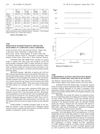
 Hair loss is linked to higher prostate-specific antigen levels and urinary symptoms, likely due to age.