 1 citations
,
January 2009 in “X-ray Structure Analysis Online”
1 citations
,
January 2009 in “X-ray Structure Analysis Online” A new compound was made that might help treat diseases related to male hormones.
1 citations
,
April 2008 in “Progrès en Urologie” Systematic end-of-trial biopsies are the most reliable way to assess outcomes.
April 2013 in “The FASEB Journal” Dutasteride showed some prevention of prostate issues but also had limitations, especially with high-grade tumors.
 June 2026 in “Oriental Journal Of Chemistry”
 Steroid 12 shows promise as a targeted treatment for prostate cancer by selectively reducing cell growth and increasing cell death.
 June 2026 in “World Journal of Urology”
 Long-term finasteride use may lead to earlier use of ED medication and lower prostate cancer diagnosis rates.
March 2026 in “European Urology Focus” Finasteride improves prostate cancer prediction by adjusting kallikrein marker levels.
 October 2025 in “International Journal of Social health”
 Finasteride lowers PSA levels and prostate size, requiring adjusted PSA interpretation for accurate cancer screening.
 April 2025 in “The Journal of Urology”
 Long-term finasteride use may lower prostate cancer risk but increase the need for erectile dysfunction medication.
New steroid derivatives show promise as anticancer agents, even against resistant cells.
 June 2023 in “Journal of Ayurvedic and herbal medicine”
 Pumpkin seeds may improve health due to their rich nutrients and potential to treat various conditions.
 November 2021 in “Pharmaceutical Sciences”
 New compounds were made and tested, with compound 6 showing potential for treating prostate-related diseases.

Increased free testosterone can lead to stronger bones and less body fat but also higher risks of prostate cancer, hair loss, spine issues, and high blood pressure.
April 2019 in “The Journal of urology/The journal of urology” Prescriptions for 5-alpha reductase inhibitors dropped significantly after the FDA's safety warning, especially for men with benign prostatic hyperplasia.
 September 2016 in “Princeton University Press eBooks”
 The document concludes that understanding health requires considering evolutionary perspectives on reproductive fitness, and recognizing the complexity of factors like diet, testosterone, and sexual orientation.
March 2014 in “Annals of Internal Medicine” Combining α1-blockers with 5α-reductase inhibitors improves urinary symptoms in men.
April 2012 in “The Journal of Urology” Finasteride therapy reduces PSA levels and prostate size, helping diagnose prostate cancer.
 February 2012 in “Community oncology”
 The document concludes that accurately identifying leukemia types is crucial, and the risks of cancer from finasteride need careful evaluation against its benefits.
 September 2010 in “European Urology Supplements”
 PSA testing is a reliable method for detecting prostate cancer, and opioids may lower PSA levels, but triglycerides don't affect prostate cancer risk.
 September 2010 in “European Urology Supplements”
 Higher urethral PSA levels after prostate removal surgery may be linked to more hair loss and higher PSA levels post-surgery.
August 2010 in “Oncology Times” Provenge extends prostate cancer survival by about 4 months.
 June 2010 in “Journal of Chemical Crystallography”
 The compound was successfully made and shows potential for treating prostate cancer.
October 2006 in “Urology” The document aimed to understand how certain treatments affect blood vessel growth in rat prostates.
September 2004 in “Urology” Finasteride may reduce prostate cancer risk.
January 2004 in “Anticancer Research” Long-term antiandrogen use may increase aggressive prostate cancer risk.
 April 2003 in “Experimental Dermatology”
 The workshop highlighted the genetic links and psychological impacts of hair loss and skin disorders.
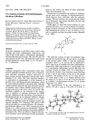 December 1998 in “Acta Crystallographica Section C-crystal Structure Communications”
 A new compound with strong antiandrogenic effects was found, potentially useful for treating conditions like acne and prostate cancer.
May 2022 in “Current Enzyme Inhibition” Compound 7b is a promising candidate for treating benign prostatic hyperplasia and prostate cancer.
 October 2015 in “Elsevier eBooks”
 Finasteride helps hair growth and prostate issues but may cause sexual side effects and increase tumor risk.
 March 2015 in “The Journal of Urology”
 Finasteride reduces PSA levels by around 40-50% in BPH patients.
309 citations
,
June 2001 in “Molecular and Cellular Endocrinology” Mutations in the androgen receptor gene cause androgen insensitivity, leading to female traits in genetically male individuals.