149 citations
,
January 2011 in “Nature reviews. Urology” Hormonal interactions, especially involving DHT and estrogen, play a key role in BPH development and treatment.
October 2006 in “Urology” The document aimed to understand how certain treatments affect blood vessel growth in rat prostates.
31 citations
,
January 1989 in “The Prostate/The prostate” Estradiol and castration reduced prostate cancer development in rats when applied at early stages, but were ineffective after cancer was established.
8 citations
,
April 2008 in “The Journal of Urology” BPH management needs better long-term studies and prevention strategies.
May 2026 in “Journal on musculoskeletal ultrasound in pain medicine.” Chronic pelvic pain after finasteride may need pain education and rehab, not just medical treatments.
Adherence to finasteride treatment for prostate issues is generally low.
1 citations
,
April 2008 in “Progrès en Urologie” Systematic end-of-trial biopsies are the most reliable way to assess outcomes.
3 citations
,
February 2019 in “Molecular genetics and metabolism” The combination of tadalafil and finasteride improves urinary symptoms and erectile function in men with enlarged prostates.
September 2004 in “Urology” Finasteride may reduce prostate cancer risk.
 4 citations
,
February 1996 in “Postgraduate Medical Journal”
4 citations
,
February 1996 in “Postgraduate Medical Journal” Finasteride linked to skin inflammation.
 2 citations
,
January 2016 in “Andrology”
2 citations
,
January 2016 in “Andrology”  21 citations
,
October 2015 in “Current Drug Targets”
21 citations
,
October 2015 in “Current Drug Targets” Both dutasteride and finasteride improve urinary symptoms, but dutasteride may be better at reducing the risk of prostate surgery and sudden inability to urinate.
1 citations
,
September 2025 in “Archivio Italiano di Urologia e Andrologia” Serenoa repens extract, alone or with other supplements, improves urinary symptoms and lowers PSA levels.
 31 citations
,
September 2015 in “BJUI”
31 citations
,
September 2015 in “BJUI” Men with benign prostatic hyperplasia are more likely to have metabolic syndrome than those without it.
 March 2012 in “Dermatology Times E-News”
 Men with pattern baldness may have a higher risk of prostate issues.
January 1978 in “Enlighten: Theses (The University of Glasgow)” Inhibiting testosterone 5alpha-reductase may help treat benign prostatic hyperplasia.
January 2008 in “Journal of Beijing Normal University” Terazosin hydrochloride helps with BPH and blood pressure, but not more than the control.
March 2014 in “The Journal of Urology” Long-term treatment with finasteride or combined therapy worsens sexual function in men with urinary issues.
January 2004 in “Anticancer Research” Long-term antiandrogen use may increase aggressive prostate cancer risk.
59 citations
,
January 1976 in “Vitamins and hormones” Prostate cells have proteins that bind to specific hormones, which can increase protein production when activated by these hormones.
 April 2013 in “The Journal of Urology”
 Researchers created a simple tool to predict bladder blockage from prostate enlargement using urine flow rate and prostate volume.
 26 citations
,
December 2019 in “Neurobiology of Stress”
26 citations
,
December 2019 in “Neurobiology of Stress” Post-finasteride syndrome causes lasting sexual, neurological, and physical side effects in some people after taking finasteride.
September 2010 in “Zhonghua miniao waike zazhi” Tamsulosin hydrochloride is safe and effective for long-term treatment of urinary symptoms in BPH patients.
 11 citations
,
August 2014 in “Current Urology Reports”
11 citations
,
August 2014 in “Current Urology Reports” Medications for enlarged prostate can cause sexual side effects like reduced libido, erectile dysfunction, and ejaculatory problems.
 January 2022 in “Galenika Medical Journal”
 Medications improve quality of life for men with lower urinary tract symptoms.
January 2025 in “International Journal of Molecular Sciences” Fenugreek extract may help treat benign prostatic hyperplasia.
October 2006 in “Urology” Finasteride may help treat BPH by affecting certain biological markers.
4 citations
,
September 2002 in “Der Urologe” Combination therapy is more effective for prostate volumes over 60 ml.
 March 2010 in “The Journal of Urology”
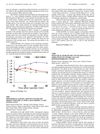
 Hair loss, prostate size, and urinary issues are related due to androgen effects.
January 2026 in “Andrology” PRP injections are safe but don't significantly improve Peyronie's Disease.