A woman in Sri Lanka was diagnosed with lupus after presenting with protein loss from the gut and other symptoms.
 April 2021 in “Arab Journal of Nuclear Sciences and Applications/Arab Journal of Nuclear Sciences and Applications ”
 Repeated use of protein hair conditioner with heat or gamma irradiation can harm skin and hair health in rats.
 January 2021 in “bioRxiv (Cold Spring Harbor Laboratory)”
 Mothers have more hair proteins than their children, with age-related differences in protein patterns, and some proteins in hair could indicate early childhood development.
April 2019 in “Progress in Crystal Growth and Characterization of Materials” Hair grows like a crystal at a solid-liquid interface without cell division.
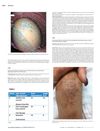 October 2017 in “The American journal of gastroenterology”
 Three patients suffered severe health issues due to not getting enough vitamins and minerals after weight-loss surgery.
 August 1994 in “Molecular Endocrinology”
 Changing protein kinase levels in pituitary cells affects calcium flow and beta-endorphin release.
 May 2026 in “Bioactive Materials”
 The microneedle patch helps regrow hair by restoring enzyme function in hair follicles.
 February 2025 in “International Journal of Cosmetic Science”
 Protein carbonylation is a sensitive marker for oxidative damage in hair, especially from light exposure.
 September 2023 in “International Journal of Cosmetic Science”
 The shampoo improves hair conditioning without using silicone.
 April 2023 in “Journal of Investigative Dermatology”
 Autophagy is important for determining the protein makeup of hair.
135 citations
,
October 1999 in “Journal of Cell Science” Overexpressing PKCα in mice skin increases inflammation but doesn't affect tumor growth.
87 citations
,
September 2006 in “Clinical Cancer Research” Protein Kinase C shows promise for cancer treatment, but more research is needed to develop effective inhibitors.
74 citations
,
September 2003 in “The Journal of Immunology” Activating PKCα in skin causes cell death and inflammation through different pathways.
35 citations
,
January 2006 in “Cancer Research” Mice with extra PKCδ resist chemical-induced skin cancer but not UV-induced.
28 citations
,
January 2005 in “Photochemistry and Photobiology” Protein kinase C epsilon may increase skin cancer risk by affecting nearby cells.
26 citations
,
May 2007 in “Differentiation” Foxn1 helps skin cells mature by controlling a specific protein's activity.
18 citations
,
July 2015 in “Journal of cosmetic dermatology” Straightening and coloring hair, especially with sodium hydroxide, greatly increases protein loss.
16 citations
,
October 2021 in “Trends in biotechnology” Future hair products will use ecofriendly proteins and peptides to improve hair health and appearance.
10 citations
,
April 1999 in “British journal of dermatology/British journal of dermatology, Supplement” Skin irritants can promote hair growth by affecting specific skin proteins.
 10 citations
,
January 2013 in “Journal of skin cancer”
10 citations
,
January 2013 in “Journal of skin cancer” PKC ε increases hair follicle stem cell turnover and may raise skin cancer risk.
3 citations
,
January 2005 in “Photochemistry and Photobiology” Protein kinase C epsilon may promote skin cancer development after UV exposure by affecting nearby cells.
 March 1998 in “Journal of dermatological science”
 Diphencyprone initially increases mouse hair growth, then slows it, possibly due to changes in specific protein levels.
 April 2024 in “JMR. Journal of molecular recognition/Journal of molecular recognition”
 Hydrophilic carbon dots cause one protein to clump more and prevent another from clumping.
 December 2023 in “Journal of molecular structure”
 Hair treatments and dehydration affect hair's lipid and protein behavior, influencing its flexibility and appearance.
March 1994 in “Proceedings of the British Society of Animal Production” Angora goats produce more hair faster than Cashmere goats.
 28 citations
,
December 2012 in “The American Journal of Cosmetic Surgery”
28 citations
,
December 2012 in “The American Journal of Cosmetic Surgery” Proteins from stem cells improved hair growth in patients with hair loss.
 24 citations
,
June 2021 in “Agronomy”
24 citations
,
June 2021 in “Agronomy” Protein hydrolysates applied to roots or leaves differently improved lettuce yield and quality, with the best results seen in specific combined treatments for each type.
20 citations
,
September 1998 in “PubMed” Gorillas in Gabon improved after protein supplements were added to their diet.
 April 2026 in “Zenodo (CERN European Organization for Nuclear Research)”
 The kidney bean conditioner is safe, effective, eco-friendly, and makes hair soft and shiny.
 April 2026 in “Zenodo (CERN European Organization for Nuclear Research)”
 The kidney bean conditioner is safe, effective, eco-friendly, and makes hair soft and shiny.