 April 2026 in “Cellular and Molecular Immunology”
 SPT6 prevents excessive skin inflammation by blocking a feedback loop.
20 citations
,
December 2013 in “PLoS ONE” β1 integrin is essential for the survival, growth, and movement of human epithelial progenitor cells.
Low IRES/Cap translation is linked to higher stem cell potential.
16 citations
,
October 2004 in “Journal of Investigative Dermatology” Normal human melanocytes can avoid cell death through multiple pathways.
 6 citations
,
February 2025 in “Scientific Reports”
6 citations
,
February 2025 in “Scientific Reports” MEGA PROTAC improves prediction and ranking of protein complexes better than existing methods.
CCC1 is essential for pH balance and normal cell function in plants.
324 citations
,
May 2002 in “Oncogene” August 2021 in “Journal of Investigative Dermatology” Adjusting polyamine levels could help treat skin disorders like psoriasis and skin cancer.
 August 2015 in “Free Radical Biology and Medicine”
 The document concludes that the discussed biological mechanisms and potential therapies are not related to hair loss or hair growth.
25 citations
,
January 2012 in “Proteome Science” Adipose stem cells show common protein changes as they grow, especially involving S100A6.
29 citations
,
March 2022 in “Biomedicines” Enhancing antioxidant responses can improve treatments for various diseases.
14 citations
,
June 2022 in “Neuroscience” October 2024 in “Journal of the American Society of Nephrology” Some CKD patients' kidney function remains stable over time.
39 citations
,
April 2019 in “The journal of immunology/The Journal of immunology” Malt1 protease is essential for regulatory T cell function and could be targeted to boost antitumor immunity.
October 2020 in “Stem cells” The document concludes that DNA methylation and the mTOR pathway are important for stem cell function and could impact disease treatment.
24 citations
,
October 2012 in “The International Journal of Biochemistry & Cell Biology” Testosterone protects female heart cells from stress by activating estrogen receptors.
July 1995 in “Journal of Dermatological Science” 10 citations
,
February 2021 in “PLoS biology” Corin helps control salt and sweat release in sweat glands.
 51 citations
,
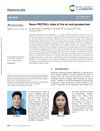
January 2024 in “Nanoscale”
51 citations
,
January 2024 in “Nanoscale” Nano-PROTACs could improve drug targeting and delivery by using nanotechnology.
10 citations
,
August 2013 in “Experimental Dermatology” Hairless protein and putrescine regulate each other, affecting hair growth and skin balance.
7 citations
,
March 2025 in “Free Radical Biology and Medicine” Imbalanced redox dynamics cause skin aging by damaging fibroblasts and stem cells.
 30 citations
,
April 2010 in “Cell Cycle”
30 citations
,
April 2010 in “Cell Cycle” The gene p53 is crucial for removing damaged cells to allow for healthy tissue renewal.
13 citations
,
July 2014 in “Cell stem cell” Stem cells can be primed to respond faster to injury through mTORC1 signaling, enhancing muscle regeneration.
 35 citations
,
October 2017 in “Trends in Molecular Medicine”
35 citations
,
October 2017 in “Trends in Molecular Medicine” Mice with enhanced regeneration abilities may help develop new regenerative medicine therapies.
20 citations
,
March 2014 in “Molecular Endocrinology” NFIB and STAT5 work together to control specific genetic programs in cells.
 2 citations
,
July 2023 in “The journal of investigative dermatology/Journal of investigative dermatology”
2 citations
,
July 2023 in “The journal of investigative dermatology/Journal of investigative dermatology” Autophagy changes the protein makeup of hair.
January 2013 in “Cahiers Pedagogiques” Calorie restriction boosts stem cell activity, improving tissue regeneration and lifespan.
 2 citations
,
June 2026 in “Frontiers in Science”
2 citations
,
June 2026 in “Frontiers in Science” Regulatory T cells help control the immune system and could lead to new treatments for diseases.
 22 citations
,
June 2013 in “International journal of molecular sciences”
22 citations
,
June 2013 in “International journal of molecular sciences” Stem cell differentiation is crucial for skin barrier maintenance and its disruption can lead to skin diseases.
 September 2022 in “Research Square (Research Square)”
 Macrophages help maintain mammary stem cells and balance through specific signaling.