 March 2013 in “Molecular & Cellular Toxicology/Molecular & cellular toxicology”
 m-Aminophenol in hair dye can cause skin cell toxicity and stress responses.
10 citations
,
June 2021 in “Journal of Investigative Dermatology” December 1951 in “Journal of the American Medical Association” Propylthiouracil treatment can cause hair loss.
 111 citations
,
August 2002 in “Journal of Medicinal Chemistry”
111 citations
,
August 2002 in “Journal of Medicinal Chemistry” New compounds were made that block an enzyme linked to breast cancer better than existing treatments.
44 citations
,
March 1947 in “Endocrinology” Thiourea compounds affect hair growth and pigmentation in black rats.
 23 citations
,
January 2011 in “International Journal of Immunopathology and Pharmacology”
23 citations
,
January 2011 in “International Journal of Immunopathology and Pharmacology” Minoxidil 2% effectively treats Monilethrix without side effects.
14 citations
,
May 2005 in “Steroids” A new method was developed to make finasteride for treating hair loss.
18 citations
,
January 2015 in “Experimental Dermatology” New mutations in KRT83 and KRT86 are linked to the hair disorder monilethrix.
1 citations
,
July 2017 in “Microscopy and Microanalysis” Iron oxide nanoparticles mainly enter the skin through hair follicles and sebocytes, not the dermis.
4 citations
,
April 1978 in “PubMed” Netherton syndrome in a boy caused skin and hair issues, and treatment didn't work.
16 citations
,
April 2000 in “Contact dermatitis” A man developed severe skin reactions after using a treatment for hair loss.
 May 2011 in “Value in Health”
 CP-690,550 significantly reduced itching in patients with moderate-to-severe plaque psoriasis.
 40 citations
,
October 2009 in “Journal of Biomedical Nanotechnology”
40 citations
,
October 2009 in “Journal of Biomedical Nanotechnology” Pyrene excimer nucleic acid probes are promising for detecting biomolecules accurately with potential for biological research and drug screening.
January 2013 in “Chinese Journal of Hospital Pharmacy” A reliable method was developed to measure perospirone levels in human plasma for clinical use.
 44 citations
,
April 2017 in “Genes & development”
44 citations
,
April 2017 in “Genes & development” Scientists found cells in hair that are key for growth and color.
 November 2009 in “Eclética Química”
 The conclusion cannot be provided as the document content is not available.
6 citations
,
May 2022 in “Journal of Organometallic Chemistry” The process efficiently converts α-pinene oxide to campholenic aldehyde using a special catalyst, achieving high yields quickly.
55 citations
,
January 1988 in “Dermatology” Diphencyprone treatment for alopecia areata can cause vitiligo in some patients.
2 citations
,
May 2007 in “Pediatrics in Review” Thorough history and examination are crucial for diagnosing genetic disorders like juvenile polyposis and hypomelanosis of Ito.
January 2005 in “FJ. Fragrance journal” 10 citations
,
February 2014 in “Fitoterapia” Pomiferin may improve skin and hair by increasing important protein production.
13 citations
,
July 2019 in “Chemical papers/Chemické zvesti” A new sensor can detect minoxidil accurately and effectively.
 28 citations
,
October 1992 in “JEADV. Journal of the European Academy of Dermatology and Venereology/Journal of the European Academy of Dermatology and Venereology”
28 citations
,
October 1992 in “JEADV. Journal of the European Academy of Dermatology and Venereology/Journal of the European Academy of Dermatology and Venereology” SIP is a better method for measuring hair growth accurately.
August 2024 in “Journal of the American Academy of Dermatology” Nail color change might be an early sign of skin pigmentation from minocycline.
9 citations
,
July 2016 in “Genes” Genetic variants in PDE6H and LPAR6 cause vision impairment and hair loss in two Pakistani brothers.
 January 2020 in “Química Nova”
 The PW91 method is best for calculating the basic physical and chemical properties of Finasteride, a drug used for prostate issues and hair loss.
April 2015 in “Dentistry 3000” Premature hair graying in the face may be influenced by genetics and environment.
January 1991 in “Linchuang pifuke zazhi” April 2011 in “Cancer Research” 20(S)-Protopanaxadiol-aglycone may help prevent and treat prostate cancer by reducing androgen receptor activity.
 2 citations
,
April 2007 in “Journal of Labelled Compounds and Radiopharmaceuticals”
2 citations
,
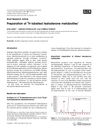
April 2007 in “Journal of Labelled Compounds and Radiopharmaceuticals” The conclusion is that tritium-labeled testosterone metabolites can be made and are better converted into dihydrotestosterone in skin cells than in prostate tissue.