 December 2020 in “Journal of Aesthetic Nursing”
 Injecting platelet-rich plasma into the scalp stimulates hair growth, increases hair density, and treats hair loss effectively with minimal side effects.
1 citations
,
November 2021 in “Jurnal Tadris IPA Indonesia” PRP can improve skin beauty naturally but doesn't last as long as plastic surgery.
Plasma gel and PRP treatments improve skin and hair with minimal side effects.
 December 2019 in “Journal of cosmetic dermatology”
 Systematic reviews on platelet-rich plasma therapy for hair loss have many quality issues.
 April 2021 in “The journal of investigative dermatology/Journal of investigative dermatology”
 6.1% of patients seeking PRP for hair loss had undiagnosed cicatricial alopecia, which PRP cannot treat.
 April 2021 in “Journal of Investigative Dermatology”
 An AI photographic device effectively tracked hair growth improvements in women treated for hair loss.
115 citations
,
August 2020 in “International Journal of Molecular Sciences” A PRP concentration of 1.0 × 10^6 plt/μL is best for tissue repair.
 39 citations
,
July 2021 in “Stem Cell Research & Therapy”
39 citations
,
July 2021 in “Stem Cell Research & Therapy” Using fat stem cells and blood cell-rich plasma together improves healing in diabetic wounds by affecting cell signaling.
 6 citations
,
September 2021 in “AESTHETIC OROFACIAL SCIENCE”
6 citations
,
September 2021 in “AESTHETIC OROFACIAL SCIENCE” Platelet-rich plasma (PRP) is a cost-effective way to improve skin rejuvenation and repair in facial aesthetics.
 5 citations
,
April 2017 in “Dermatologic Surgery”
5 citations
,
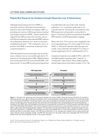
April 2017 in “Dermatologic Surgery” PRP treatment satisfies 58% of female hair loss patients, with most noticing fuller, thicker hair and less shedding.
 3 citations
,
September 2018 in “Dermatologic Surgery”
3 citations
,
September 2018 in “Dermatologic Surgery” Platelet-Rich Plasma (PRP) can improve hair loss in cicatricial alopecia cases, but treatment must be ongoing and results vary among patients.
 January 2026 in “Frontiers in Digital Health”
 Motion-graphic videos improve patient understanding more than verbal explanations for platelet-rich plasma therapy.
 September 2024 in “Journal of Education Health and Sport”
 PRP therapy can help regrow hair and improve hair thickness.
 August 2020 in “Universidad Peruana de Ciencias Aplicadas (UPC)”
 Platelet-rich plasma (PRP) effectively improves acne scars.
 January 2019 in “Springer eBooks”
 Platelet-rich plasma therapy may have benefits and is generally safe, but more research is needed to confirm its effectiveness and safety.
 348 citations
,
July 2017 in “Skin appendage disorders”
348 citations
,
July 2017 in “Skin appendage disorders” Platelet-rich plasma shows promise for skin and hair treatments but needs more research and standardization.
 70 citations
,
February 2021 in “International Journal of Molecular Sciences”
70 citations
,
February 2021 in “International Journal of Molecular Sciences” Fat-derived stem cells, platelet-rich plasma, and biomaterials show promise for healing chronic skin wounds and improving soft tissue with few side effects.
 63 citations
,
October 2013 in “Dermatologic Surgery”
63 citations
,
October 2013 in “Dermatologic Surgery” Platelet-Rich Plasma (PRP) increases the number of new hair follicles and speeds up hair formation.
 61 citations
,
January 2015 in “Indian Journal of Plastic Surgery”
61 citations
,
January 2015 in “Indian Journal of Plastic Surgery” Platelet-rich plasma treatment could potentially be an effective way to treat chronic alopecia areata with minimal side effects.
 29 citations
,
September 2020 in “International Journal of Molecular Sciences”
29 citations
,
September 2020 in “International Journal of Molecular Sciences” The document concludes that freeze-dried platelet-rich plasma shows promise for medical use but requires standardization and further research.
 28 citations
,
August 2018 in “Dermatologic Surgery”
28 citations
,
August 2018 in “Dermatologic Surgery” Platelet-Rich Plasma (PRP) may help improve hair density in primary cicatricial alopecias (PCAs) patients, but more trials are needed to confirm its benefits.
 19 citations
,
May 2017 in “Dermatologic Surgery”
19 citations
,
May 2017 in “Dermatologic Surgery” Combining platelet-rich plasma with 5% minoxidil solution improves hair regrowth in androgenetic alopecia patients.
 16 citations
,
October 2021 in “Techniques in Coloproctology”
16 citations
,
October 2021 in “Techniques in Coloproctology” Using SVF enriched with PRP in surgery for certain fistulas is effective and safe.
 15 citations
,
August 2022 in “Daehan saengsik uihak hoeji/Clinical and experimental reproductive medicine”
15 citations
,
August 2022 in “Daehan saengsik uihak hoeji/Clinical and experimental reproductive medicine” Platelet-rich plasma may improve embryo genetics in IVF.
 15 citations
,
March 2018 in “Journal of The American Academy of Dermatology”
15 citations
,
March 2018 in “Journal of The American Academy of Dermatology” PRP therapy improves hair density and thickness in AGA patients, even with other treatments.
 13 citations
,
January 2020 in “Experimental Dermatology”
13 citations
,
January 2020 in “Experimental Dermatology” PRP growth factor concentrations vary, no significant hair growth difference found.
 12 citations
,
June 2020 in “Journal of The American Academy of Dermatology”
12 citations
,
June 2020 in “Journal of The American Academy of Dermatology” Platelet-rich plasma is tolerable for lichen planopilaris and doesn't worsen the condition, but its effectiveness is unclear.
 12 citations
,
December 2017 in “Journal of Investigative Dermatology Symposium Proceedings”
12 citations
,
December 2017 in “Journal of Investigative Dermatology Symposium Proceedings” Platelet-rich plasma and microneedling could potentially help hair growth in people with alopecia areata, but more research is needed.
 7 citations
,
July 2019 in “International journal of research in dermatology”
7 citations
,
July 2019 in “International journal of research in dermatology” Intralesional triamcinolone acetonide is more effective than platelet-rich plasma for treating scalp alopecia areata.
 4 citations
,
July 2024 in “Cureus”
4 citations
,
July 2024 in “Cureus” The treatment improved neck wrinkles and skin laxity.