January 2016 in “Jurnal Farmasi Indonesia” The 10% hibiscus leaf extract hair tonic promotes better hair growth than 2% minoxidil but causes eye irritation.

Social dynamics and individual traits affect hair plucking and health in rhesus macaques.
 November 2024 in “International Journal of Plant and Environment”
 Sphenodesme involucrata var. paniculata is a safe and healthy medicinal plant with beneficial nutrients.
November 2020 in “Food Science and Technology” Ziziphus jujube Mill extract can naturally protect corn from fungi.
229 citations
,
May 2006 in “Journal of Experimental Botany” Reactive oxygen species are essential for plant root hair growth.
 5 citations
,
February 2020 in “European Food Research and Technology”
5 citations
,
February 2020 in “European Food Research and Technology” African baobab fruit is a good source of antioxidants and micronutrients, but too much can cause laxative effects.
13 citations
,
January 2014 in “Zhongguo zhongyao zazhi” Dendrobium candidum polysaccharides promote hair growth.
 1 citations
,
February 2021 in “Journal of Natural Remedies”
1 citations
,
February 2021 in “Journal of Natural Remedies” Ficus religiosa and Morus alba extracts improved hair growth and follicle regeneration in mice.
 April 2024 in “bioRxiv (Cold Spring Harbor Laboratory)”
 Removing Sprouty genes in mice causes various hormone-related issues but does not increase cancer risk by one year of age.
July 2022 in “Siriraj Medical Bulletin” The conditioner effectively strengthens and smooths hair, offering a natural alternative.
 October 2024 in “Bangladesh Journal of Botany”
 Figleaf gourd is more resistant to cinnamic acid stress than cucumber.
 2 citations
,
January 2000 in “Journal of Toxicologic Pathology”
2 citations
,
January 2000 in “Journal of Toxicologic Pathology” A single recessive gene causes sparse hair in certain Japanese White rabbits.
1 citations
,
January 2006 in “Maia-rivista Di Letterature Classiche” Polygonum multiflorum is used for health benefits but may cause liver issues.
20 citations
,
April 1959 in “A M A Archives of Dermatology” Alopecia mucinosa causes red, raised skin patches and hair loss.
 April 1981 in “Pediatric research”
 Copper treatments increase copper in all tissues, but brindled female mice accumulate much more copper in their kidneys without clinical effects, unlike brindled male mice where brain copper deficiency is clinically significant.
December 2022 in “Journal of Natural Remedies” Cucurbita maxima seed extract shows promise for breast cancer treatment.
7 citations
,
October 2015 in “Julius Kühn-Institut” Inhibiting plant sterols reduces grapevine pathogen reproduction.
42 citations
,
September 2003 in “Journal of Investigative Dermatology” A missing mK6irs1 gene causes hair loss in mice.
 2 citations
,
August 2020 in “Natural Product Communications”
2 citations
,
August 2020 in “Natural Product Communications” A mix of Platycladus orientalis leaf extract and alpha-terpineol helps mice grow hair by increasing growth factors and cell growth.
 1 citations
,
February 2021 in “Biodiversitas”
1 citations
,
February 2021 in “Biodiversitas” Curcuma aeruginosa rhizome extracts show potential as anticancer agents, with varying effectiveness against breast cancer cells.
 February 2025 in “Archives animal breeding/Archiv für Tierzucht”
 Certain gene combinations improve cashmere quality and production in Liaoning goats.
January 2026 in “Biospecies” A 70% black ear mushroom extract hair tonic effectively stops M. furfur growth.
July 2014 in “Americanae (AECID Library)” Tridax procumbens and Ouratea spectabilis can affect other plants' growth and have antioxidant benefits.
January 2026 in “Dermatologic Therapy” Pinus massoniana needles extract may help treat hair loss by promoting hair growth and reducing oxidative stress.
 2 citations
,
June 2022 in “Journal of Applied Pharmaceutical Science”
2 citations
,
June 2022 in “Journal of Applied Pharmaceutical Science” 4-O-Methylhonokiol from Magnolia shows promise for hair growth, cancer, diabetes, and more, but needs better absorption.
5 citations
,
January 2021 in “Pakistan Journal of Nematology” Citrullus colocynthis is a valuable natural option for medicine and pest control.
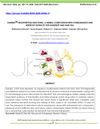 October 2020 in “Journal of bio innovation”
 DanEraTM hair tonic effectively treats dandruff and hair fall using natural ingredients.
2 citations
,
June 2024 in “Heliyon” The rare cliff plant Oresitrophe rupifraga has diverse metabolites, with leaves rich in phenolic acids and rhizomes and bulblets high in terpenoids, aiding its growth and potential use.
November 2022 in “Munich Personal RePEc Archive (Ludwig Maximilian University of Munich)” Phosphatidylinositol 4-kinases are crucial for root growth, defense, and immunity in Arabidopsis thaliana.