 January 2025 in “HORMONES”
 Gender-affirming hormone treatments need better patient-focused outcome measurements and standardized data collection.

Upadacitinib effectively treated a patient with multiple inflammatory conditions.
 December 2023 in “Research and reports in urology”
 A young man with high-grade prostate cancer had successful surgery and good recovery, highlighting the need for awareness in younger men.
July 2023 in “International Journal of Molecular Sciences” Trapa bispinosa Roxb. extract may help reduce prostate size and cell growth in BPH.
 June 2023 in “Journal of Liaquat University of Medical & Health Sciences”
 Higher PSA levels are linked to more hirsutism in women with PCOS.
 January 2023 in “International Journal of Clinical and Medical Education Research”
 Correct testosterone levels for age to treat prostate cancer, using low dose treatments as necessary.
 April 2022 in “Authorea (Authorea)”
 CT scans can find serious prostate cancer even when PSA levels are low.
 April 2022 in “Indian Journal of Forensic Medicine & Toxicology”
 PSA can help diagnose high androgen levels in women.
 April 2022 in “Diabetes Therapy”
 Low testosterone does not prevent prostate cancer in men with type 1 diabetes.
 March 2022 in “Women's health issues”
 The conclusion is that women are heavily affected by autoimmune skin diseases, face significant challenges, and need better research, treatments, and healthcare policies.
August 2019 in “KMOU Repository (Korea Maritime and Ocean University)” Sapium rotundifolium extract may help treat enlarged prostate.
 April 2019 in “The Journal of Urology”
 Some common medications can lower PSA levels in 45-year-old German men.
 March 2019 in “European Urology Supplements”
 Some common medications like metformin, insulin, and ACE inhibitors can lower PSA levels, while statins don't, and low dose finasteride significantly reduces PSA.
October 2017 in “Universidad Nacional de Trujillo” Low doses of Coffea arabica seed extract prevent prostate growth and lower uric acid and PSA levels.
 January 2016 in “International Journal of Medical Research and Health Sciences”
 Baldness (androgenic alopecia) could be a risk factor for prostate cancer.
October 2015 in “Prostate Cancer” Finasteride and dutasteride reduce prostate cancer risk, but finasteride may increase higher-grade cancer risk.

Finasteride can reduce prostate cancer risk but may delay diagnosis and cause sexual side effects.
May 2015 in “Cancer research” After chemotherapy for early breast cancer, 33.4% of patients had long-term significant hair loss, with some hair regrowth over time, but treatments for hair loss were largely ineffective.
August 2013 in “한국산업융합학회 논문집” Finasteride reduces certain hormone levels to treat prostate issues.
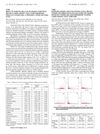 April 2013 in “The Journal of Urology”
 Higher CRP levels suggest chronic inflammation is linked to bladder-related urinary symptoms in men with enlarged prostates.
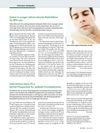
Early balding may be a sign of future prostate problems.
 April 2012 in “The Journal of Urology”
 Patients with metabolic syndrome had lower Gleason scores when diagnosed with prostate cancer.
 September 2010 in “European Urology Supplements”
 Opioid use may lower PSA levels, suggesting a possible role in prostate cancer control; PSA testing is useful for detecting prostate cancer; serum triglycerides are not linked to prostate cancer risk; and higher urethral PSA levels may be associated with local hormone activity.
 September 2010 in “European Urology Supplements”
 The document does not confirm if radical prostatectomy is the best treatment for locally advanced prostate cancer.
March 2009 in “The Journal of Urology” Finasteride improves urinary symptoms and quality of life in BPH patients, especially with larger prostate size.
January 2009 in “Journal of Jilin Medical College” SDG helps reduce BPH effects in rats.
 October 2008 in “The Journal of Urology”
 Finasteride reduces prostate cancer risk but may increase high-grade tumors and has side effects; biopsy methods have similar outcomes; psychosocial factors affect sexual recovery post-surgery.
PLX, a tomato extract mix, may help treat prostate issues like BPH.
 May 2007 in “The Journal of Urology”
 Finasteride lowers PSA levels in men, certain factors increase testicular cancer risk, and current guidelines for penile cancer may lead to unnecessary surgeries.
 February 2007 in “Faculty Opinions – Post-Publication Peer Review of the Biomedical Literature”
 Taking 1mg of finasteride daily for hair loss can lower PSA levels by 40-50%, so to keep PSA effective as a cancer screening tool, the PSA value should be doubled during treatment.