96 citations
,
February 2002 in “Journal of the American Academy of Dermatology” Pseudofolliculitis barbae is a chronic skin condition affecting mainly African American and Hispanic individuals, caused by shaving tightly curled hair, and managed by prevention and treatment but not curable.
66 citations
,
October 2003 in “Dermatologic clinics” Excision and laser techniques can effectively treat acne keloidalis nuchae.
 49 citations
,
March 2014 in “Dermatologic clinics”
49 citations
,
March 2014 in “Dermatologic clinics” These skin conditions in African men need combined medical treatments and lifestyle changes.
47 citations
,
November 2000 in “Archives of dermatology” Pulsed infrared laser can effectively reduce symptoms of pseudofolliculitis barbae.
26 citations
,
January 2012 in “Journal of the American Academy of Dermatology” Eflornithine cream makes laser hair removal more effective for treating pseudofolliculitis barbae.
25 citations
,
January 1999 in “Journal of cutaneous laser therapy” Diode laser effectively treats pseudofolliculitis barbae.
 21 citations
,
April 2019 in “Clinical, cosmetic and investigational dermatology”
21 citations
,
April 2019 in “Clinical, cosmetic and investigational dermatology” The document concludes that stopping shaving or removing affected hair can alleviate Pseudofolliculitis barbae (PFB).
 19 citations
,
May 2007 in “Dermatologic therapy”
19 citations
,
May 2007 in “Dermatologic therapy” The document concludes that various treatments, including laser therapy, are effective for managing pseudofolliculitis barbae, especially in darker skin types.
17 citations
,
July 1977 in “International Journal of Dermatology” Proper shaving techniques and specific topical treatments can help manage pseudofolliculitis barbae.
9 citations
,
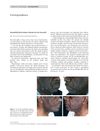
September 2014 in “British journal of dermatology/British journal of dermatology, Supplement” Pseudofolliculitis cutis causes painful skin bumps and needs proper shaving and treatments to manage.
 6 citations
,
May 2012 in “Clinical and experimental dermatology”
6 citations
,
May 2012 in “Clinical and experimental dermatology” Oral minoxidil can cause inflamed, ingrown hairs in the beard area.
5 citations
,
April 2019 in “DOAJ (DOAJ: Directory of Open Access Journals)” Stopping shaving or removing hair follicles usually resolves Pseudofolliculitis barbae.
 5 citations
,
May 1999 in “Dermatologic Surgery”
5 citations
,
May 1999 in “Dermatologic Surgery” Lasers can effectively treat pseudofolliculitis barbae, but insurance often doesn't cover it, possibly due to racial bias.
4 citations
,
January 2011 in “International Journal of Trichology” Treating scalp issues in hair-pulling disorder helps hair regrow and reduces itch.
2 citations
,
December 2024 in “JAAD reviews.” Modifying grooming techniques and using treatments like chemical depilatories or laser hair removal can help manage Pseudofolliculitis barbae.
2 citations
,
May 2004 in “SKINmed/Skinmed” Proper shaving techniques and treatments can help prevent and manage ingrown hairs and inflammation in people with curly hair.
 1 citations
,
January 2009 in “Elsevier eBooks”
1 citations
,
January 2009 in “Elsevier eBooks” Combining proper shaving, topical treatments, and laser therapy effectively reduces Pseudofolliculitis Barbae.
Pseudofolliculitis causes painful bumps and dark spots from shaving, especially in people with curly hair, and can be treated by changing shaving habits and using specific topical treatments.
March 2026 in “Journal of Burn Care & Research” Folliculitis and pseudofolliculitis barbae are common but often overlooked issues in burn survivors, needing better awareness and treatment strategies.
February 2026 in “Skin Appendage Disorders” Pseudofolliculitis barbae is linked to higher rates of anxiety and depression.
January 2012 in “Open MIND” Oral minoxidil can cause painful skin bumps and scarring in some people.
12 citations
,
March 2004 in “Journal of Investigative Dermatology” 88 citations
,
March 2004 in “Journal of Investigative Dermatology”  109 citations
,
September 2011 in “Human molecular genetics online/Human molecular genetics”
109 citations
,
September 2011 in “Human molecular genetics online/Human molecular genetics” New treatments targeting specific genes show promise for treating keratin disorders.
 64 citations
,
January 2004 in “American journal of clinical dermatology”
64 citations
,
January 2004 in “American journal of clinical dermatology” Folliculitis is an inflammation of hair follicles that requires proper diagnosis and treatment based on the specific cause.
 55 citations
,
October 2003 in “Dermatologic Clinics”
55 citations
,
October 2003 in “Dermatologic Clinics” Different hair care practices and conditions affect African American hair and scalp health, requiring specialized knowledge for treatment.
 30 citations
,
May 2014 in “American Journal of Clinical Dermatology”
30 citations
,
May 2014 in “American Journal of Clinical Dermatology” The conclusion is that better understanding and more research are needed to effectively manage follicular and scarring disorders in skin of color, with an emphasis on patient education and cultural awareness.
 27 citations
,
June 2017 in “International Journal of Dermatology”
27 citations
,
June 2017 in “International Journal of Dermatology” The study suggests that acne keloidalis nuchae is linked to conditions like pseudofolliculitis barbae, scalp infections, metabolic syndrome, and is more common in males with an average onset age of 25.4 years.
22 citations
,
June 1977 in “Postgraduate Medicine” Certain skin conditions are more common in black people due to hair and skin differences.
 21 citations
,
April 2019 in “Endocrinology and Metabolism Clinics of North America”
21 citations
,
April 2019 in “Endocrinology and Metabolism Clinics of North America” Transgender patients need proper skin care, especially when undergoing hormone treatments, to manage issues like acne and hair loss.