September 2014 in “Emergency Medicine News” The man's skin condition improved with sun protection and topical steroids, but UV exposure still caused flare-ups.
 November 2022 in “Journal of Investigative Dermatology”
 The study found that skin inflammation and immune response pathways are activated in Solar Urticaria patients after UV exposure, unlike in healthy people.
9 citations
,
May 2016 in “Clinics in dermatology” Phototherapy can help treat hair loss in alopecia areata.
July 2025 in “Journal of Investigative Dermatology” High-dose UVA-1 therapy improves symptoms and skin condition in sclerosing skin disease.
January 2014 in “한국미용학회지” UV-A radiation significantly damages semi-permanent dyed hair.
 195 citations
,
January 2008 in “Photochemistry and Photobiology”
195 citations
,
January 2008 in “Photochemistry and Photobiology” Visible light can damage skin and most sunscreens don't block it well; more research is needed on its effects and protection methods.
 17 citations
,
April 2004 in “Acta Clinica Belgica”
17 citations
,
April 2004 in “Acta Clinica Belgica” UV light makes skin signs of lack of carotene and vitamin A more visible.
 27 citations
,
January 2002 in “Exogenous Dermatology”
27 citations
,
January 2002 in “Exogenous Dermatology” Chronic exposure to sunlight may worsen male pattern baldness and protecting the scalp from the sun could slow it down.
May 2026 in “International Journal of Cosmetic Science” UV radiation damages hair similar to bleaching, but double bleaching causes more severe protein degradation.
52 citations
,
February 2009 in “Journal of the American Academy of Dermatology” A 93-year-old woman developed a rare scalp condition after therapy, which improved with steroids, not antibiotics.
1 citations
,
February 2003 UV radiation causes significant protein loss and color changes in hair, especially blond hair.
May 2026 in “Journal of Photochemistry and Photobiology” Solar radiation and pollution damage hair, especially light-colored and bleached hair.
June 2015 in “OhioLink ETD Center (Ohio Library and Information Network)” UVB exposure affects retinoid metabolism, which is important for skin cancer progression and treatment.
4 citations
,
August 2015 in “Journal of Cosmetic Dermatology” Sunscreens with UVA blockers effectively reduce skin fluorescence for several hours.
 November 2011 in “Australasian Journal of Dermatology”
 Cellulite may be linked to low adiponectin, isotretinoin with UVB can treat psoriasis effectively, permanent alopecia post-chemotherapy resembles a unique hair loss, deodorants may cause fragrance allergies, desmoplastic melanoma is becoming more common, and intensive UVB treatment can give long-term psoriasis remission.
109 citations
,
September 1999 in “Archives of Dermatology” Combining fluticasone propionate and UV-A is more effective for vitiligo than using either alone.
3 citations
,
January 2010 13 citations
,
September 2014 in “Journal of photochemistry and photobiology. B, Biology” UV radiation increases protein loss from hair and reduces hair protein quality.
December 2009 in “Expert review of dermatology” Vitamin D may help protect against nonmelanoma skin cancer.
18 citations
,
March 2009 in “Skin pharmacology and physiology” Sunlight damages hair, causing cuticle loss, protein changes, and discoloration.
 April 2019 in “The journal of investigative dermatology/Journal of investigative dermatology”
 Scientists discovered a new way UVB light increases skin pigmentation through the ATP-P2X7 pathway.
31 citations
,
January 1981 PUVA-therapy is not very effective for severe hair loss types like alopecia totalis or universalis.
24 citations
,
January 2009 in “International Journal of Trichology” Sunlight exposure ages hair, making it brittle, stiff, and dry.
19 citations
,
December 1999 in “International Journal of Dermatology” Dihydroxyacetone in self-tanning lotion helped reduce sun-related skin issues in a woman with variegate porphyria.
 24 citations
,
January 2006 in “Dermatologic clinics”
24 citations
,
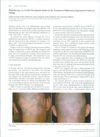
January 2006 in “Dermatologic clinics” Hair sunscreens are important for maintaining hair's cosmetic value.
 10 citations
,
January 2010 in “Acta dermato-venereologica”
10 citations
,
January 2010 in “Acta dermato-venereologica” Light therapy can effectively treat vitiligo and hair loss caused by a specific medication.
3 citations
,
April 2019 in “Journal of Mind and Medical Sciences” Photodynamic therapy shows promise for oral lichen planus but needs more research for consistent results.
 8 citations
,
March 2018 in “Cosmetics”
8 citations
,
March 2018 in “Cosmetics” UV radiation damages hair by creating holes and peeling cuticle layers.
10 citations
,
July 1980 in “British Journal of Dermatology” Topical putrescine and spermine increased DNA synthesis in hairless mouse skin.
July 1974 in “Archives of Dermatology” Ultraviolet light treatment with trioxsalen was ineffective for vitiligo in the cases described.