Hair can naturally regain color, and stress might influence greying and its reversal.
 January 2021 in “Journal of Pakistan Association of Dermatology”
 COVID-19 recovery can lead to temporary hair loss called telogen effluvium.
 June 2020 in “IP Indian journal of clinical and experimental dermatology”
 Older people more commonly have skin conditions related to aging, and early treatment can improve their quality of life.
August 2019 in “Journal of the American Academy of Dermatology” Depression and hair loss may influence each other.
 August 2019 in “DOAJ (DOAJ: Directory of Open Access Journals)”
 Telogen effluvium is a common, distressing condition causing excessive hair shedding and has significant psychological effects on patients.
 April 2019 in “University of Huddersfield Repository (University of Huddersfield)”
 Alopecia causes emotional distress, and better psychological support is needed.
 February 2019 in “IP Indian journal of clinical and experimental dermatology”
 Psychological stress is a major factor in the onset and severity of alopecia areata, with atopic individuals being more prone to develop it.
 August 2018 in “Journal of Korean Academy of Fundamentals of Nursing”
 Supporting people with alopecia through psychological help and accurate information is crucial for managing stress and coping.
 May 2017 in “InTech eBooks”
 Early treatment of children's hair loss, which can be caused by various factors, is important due to its emotional impact.

Female hair loss is often hereditary and can be treated with medication, hair transplants, and lasers.
 March 2015 in “CRC Press eBooks”
 Telogen effluvium is a type of hair loss in women caused by many factors, and iron and thyroid tests are recommended for diagnosis.
 January 2015 in “Вестник дерматологии и венерологии”
 Patients with non-scarring hair loss often have emotional disorders.
 March 2014 in “Journal of The American Academy of Dermatology”
 Vitamin D deficiency is common in temporary hair loss, and stress is often a suspected cause.
Hair loss causes significant psychological distress.
August 2012 in “Reactions Weekly” Finasteride users with sexual issues often experience depression.
 January 2012 in “International Journal of Trichology”
 Psychological factors significantly affect hair health, suggesting a need for integrating mental health care in treating hair loss.
January 2012 in “China Modern Doctor” Androgenetic alopecia is influenced by age, occupation, education, mental health, genetics, and diet, and psychological treatment is important.
 June 2011 in “The Journal for Nurse Practitioners”
 Up to half of adult women may experience hair loss, and doctors should use medical history, exams, and tests to find the cause and treat it.
January 2008 in “Journal of clinical and experimental medicine” Finasteride effectively treats hair loss, which is influenced by genetics and stress.
 July 2007 in “Clinical Risk”
 The claimant sued for negligence after a hair treatment caused harm and distress, and the defendant responded after legal action started.
December 2005 in “The Sri Lanka Journal of Dermatology” Many young Sri Lankan women entering university have excessive hair growth.
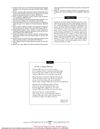 December 2002 in “Archives of Dermatology”
 The poem ends by asking for case reports on serious health issues like Telogen Effluvium.
 June 2001 in “International Journal of Cosmetic Surgery and Aesthetic Dermatology”
 The editorial concludes that the field of hair loss treatment has become more scientific and that effective treatments are important for self-esteem and job prospects.
 July 1996 in “International Journal of Dermatology”
 The book "Hair Replacement" is a detailed guide on all methods of hair replacement, recommended for those interested in the field.
 June 1994 in “The American Journal of Cosmetic Surgery”
 The article emphasizes the need for proper training and ethical practice in hair transplantation to prevent poor outcomes and psychological harm to patients.
May 1979 in “Archives of Dermatology” Alopecia can be linked to autoimmune issues, vitiligo, nail problems, and sometimes cancer treatments.
 July 2022 in “Nigerian journal of medicine : journal of the National Association of Resident Doctors of Nigeria”
 Androgenetic Alopecia (AGA) greatly lowers quality of life, causing stress and low self-esteem, with those seeking treatment experiencing more impairment.
November 2021 in “Frontiers in Genetics” The FAW-FS algorithm improves depression recognition, and psychological interventions help AGA patients' mental health.
November 2021 in “Evidencia” Young patients using finasteride may have higher risks of anxiety, depression, and suicidal thoughts.
November 2020 in “International Journal of Research in Dermatology” Dermatologists prefer minoxidil for mild female hair loss and a combination of PRP and minoxidil for severe cases, with a need for universal treatment guidelines.