 April 2026 in “PsyArXiv (OSF Preprints)”
 Nail sampling is feasible for adolescent health research, similar to hair sampling, but discomfort concerns need addressing.
Higher cannabis exposure may worsen hair loss.
 11 citations
,
August 2018 in “Medicine”
11 citations
,
August 2018 in “Medicine” Hair loss in Chinese college students leads to various psychological issues, so treatment should address both hair loss and mental health.
 9 citations
,
January 2011 in “Skin Research and Technology”
9 citations
,
January 2011 in “Skin Research and Technology” The new automatic tool accurately measures hair thickness and is reliable.

SMP improves psychological well-being by boosting appearance satisfaction and perceived attractiveness.
 1 citations
,
January 2017 in “Spectrum Research Repository (Concordia University)”
1 citations
,
January 2017 in “Spectrum Research Repository (Concordia University)” Women with PCOS have altered brain structure and reduced cognitive performance.
6 citations
,
February 2022 in “European journal of endocrinology” The method can measure multiple hormones in women's hair and may help identify hormone-related health issues.
 August 2022 in “medRxiv (Cold Spring Harbor Laboratory)”
 The goal is to create a tool for patients to report their experiences with various hair and scalp disorders.
 March 2024 in “Ukraïnsʹkij vìsnik psihonevrologìï”
 Women with mixed alopecia have more severe mental health issues than those with metabolic alopecia.
 6 citations
,
June 2018 in “PLOS ONE”
6 citations
,
June 2018 in “PLOS ONE” The Alopecia Areata Assessment Tool (ALTO) effectively identifies alopecia areata from other hair loss types but needs more validation.
The review suggests the study on male pattern baldness needs more detail on sample size, methodology, bias, and ethical considerations.
22 citations
,
January 1992 in “PubMed” Higher CSF 5-HIAA levels may predict better response to serotonin re-uptake inhibitors in trichotillomania.
February 2026 in “Psychoneuroendocrinology” Hair cortisol concentration partly reflects HPA axis regulation but doesn't capture all its complexities.
Personality affects stress response more than social rank in zebrafish.
 133 citations
,
February 2017 in “PLoS Genetics”
133 citations
,
February 2017 in “PLoS Genetics” Genetic factors can help predict male pattern baldness risk.
 12 citations
,
July 2011 in “European Journal of Dermatology”
12 citations
,
July 2011 in “European Journal of Dermatology” The VSCAPSI is a helpful method for evaluating the severity of scalp psoriasis.
22 citations
,
September 2024 in “Human Reproduction Update” Androgen measurement helps diagnose PCOS, but accuracy varies, needing standard methods.
 47 citations
,
January 2001 in “Journal of Investigative Dermatology”
47 citations
,
January 2001 in “Journal of Investigative Dermatology” High testosterone to epitestosterone ratio in hair could predict male-pattern baldness.
 January 2016 in “International Journal of Reproduction Contraception Obstetrics and Gynecology”
 Insulin resistance varies among PCOS types, and simple math tools can help identify it early.
 5 citations
,
January 2015 in “Current problems in dermatology”
5 citations
,
January 2015 in “Current problems in dermatology” The document concludes that a thorough history, physical exam, and specific tests are crucial for diagnosing and managing hair loss effectively.
The modified Sinclair scale effectively measures hair loss severity in men.
 25 citations
,
January 2015 in “Advances in Psychosomatic Medicine”
25 citations
,
January 2015 in “Advances in Psychosomatic Medicine” Many skin patients also have mental health issues, and doctors should treat both together.
 July 2021 in “Australasian Journal of Dermatology”
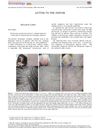
 The trichoscopy-assisted hair pull test is useful for diagnosing different types of hair loss.
19 citations
,
October 2019 in “BMC Neuroscience” Blood hormone levels don't accurately show brain hormone levels in males.
1 citations
,
January 2019 Higher testosterone in females with PCOS is linked to depression and cognitive issues, but anti-androgen treatment can help.
May 2012 in “Neurotoxicology and Teratology” Hair cortisol can be a reliable way to measure long-term stress.
 January 2015 in “Springer eBooks”
 The pull test and wash test are cheap, easy methods to diagnose hair loss.
5 citations
,
April 2024 in “ACS Chemical Neuroscience” A new method accurately measures nine neuroactive steroids in small blood samples, helping to study brain diseases.
April 2020 in “Journal of the Endocrine Society” Hair cortisol measurement can help diagnose and monitor Cushing’s disease.
 1 citations
,
May 2023 in “Ayna Klinik Psikoloji Dergisi”
1 citations
,
May 2023 in “Ayna Klinik Psikoloji Dergisi” Alopecia Areata is linked to higher depression levels.