 1 citations
,
December 2014 in “Klinik Psikofarmakoloji Bülteni-Bulletin of Clinical Psychopharmacology”
1 citations
,
December 2014 in “Klinik Psikofarmakoloji Bülteni-Bulletin of Clinical Psychopharmacology” Adding aripiprazole to the treatment improved hair-pulling symptoms in a teenager.
 January 2009 in “Springer eBooks”
 The document concludes that treating skin conditions should include psychological care and a multidisciplinary approach is essential for effective management.
 13 citations
,
June 2012 in “Journal of Dermatological Case Reports”
13 citations
,
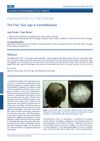
June 2012 in “Journal of Dermatological Case Reports” An 8-year-old boy with hair-pulling disorder had a bald patch that was confirmed not to be a fungal infection and was treated with therapy.
 14 citations
,
December 2007 in “Journal of The European Academy of Dermatology and Venereology”
14 citations
,
December 2007 in “Journal of The European Academy of Dermatology and Venereology” The article concludes that dermatologists should prescribe lifestyle drugs carefully and consider mental health treatments for patients with disorders like BDD.
 16 citations
,
July 1996 in “Dermatologic Clinics”
16 citations
,
July 1996 in “Dermatologic Clinics” Some psychiatric drugs can cause skin problems, but serious reactions are rare.
 11 citations
,
February 2007 in “Journal of Child and Adolescent Psychiatric Nursing”
11 citations
,
February 2007 in “Journal of Child and Adolescent Psychiatric Nursing” Combining mood stabilizers with antipsychotics is more effective for treating children with bipolar disorder than using mood stabilizers alone.
 15 citations
,
September 2015 in “Journal der Deutschen Dermatologischen Gesellschaft”
15 citations
,
September 2015 in “Journal der Deutschen Dermatologischen Gesellschaft” Skin doctors should recognize and treat conditions like hair-pulling and skin-picking early, often using therapy and medication, to help 50-70% of patients.
 4 citations
,
March 2013 in “Neuropsychiatric Disease and Treatment”
4 citations
,
March 2013 in “Neuropsychiatric Disease and Treatment” A woman with anorexia and Cushing's syndrome improved after tumor removal, highlighting the need to consider hormonal issues in psychiatric conditions.
 90 citations
,
December 2007 in “Current Oncology”
90 citations
,
December 2007 in “Current Oncology” Non-hormonal treatments should be used first for sexual dysfunction in postmenopausal breast cancer patients on aromatase inhibitors, with hormones as a second option.
 27 citations
,
March 1994 in “Harvard Review of Psychiatry”
27 citations
,
March 1994 in “Harvard Review of Psychiatry” Behavior therapy and medications, especially clomipramine, can help reduce hair pulling in people with trichotillomania.
 4 citations
,
September 2016 in “Journal der Deutschen Dermatologischen Gesellschaft”
4 citations
,
September 2016 in “Journal der Deutschen Dermatologischen Gesellschaft” Some skin patients have body image issues linked to social difficulties but want psychological help.
 138 citations
,
March 2001 in “Clinics in Dermatology”
138 citations
,
March 2001 in “Clinics in Dermatology” Hair loss can significantly affect a person's self-esteem and body image, especially in young people, those who value their looks highly, and women.
 2 citations
,
June 2016 in “PubMed”
2 citations
,
June 2016 in “PubMed” An 11-year-old girl with compulsive hair pulling was successfully treated with therapy and medication.
 January 2017 in “Acta dermato-venereologica”
 The congress showed that psychological therapy can help skin condition patients, social media affects acne stigma, education improves atopic dermatitis, and patient satisfaction in dermatology is high, especially with good doctor engagement.
 123 citations
,
December 2015 in “Journal of Neuroendocrinology”
123 citations
,
December 2015 in “Journal of Neuroendocrinology” New targets for making and using brain-synthesized steroids could lead to better treatments for brain disorders and alcoholism.
 13 citations
,
April 2019 in “Seizure”
13 citations
,
April 2019 in “Seizure” Valproic acid increases the risk of hair loss more than other drugs, especially in migraine patients, and lamotrigine may be a safer alternative.
 8 citations
,
April 2015 in “Advances in Psychosomatic Medicine”
8 citations
,
April 2015 in “Advances in Psychosomatic Medicine” Psychotropic medications can cause skin problems but also treat some skin conditions.
 2 citations
,
January 2017 in “Düşünen Adam”
2 citations
,
January 2017 in “Düşünen Adam” Agomelatine might help stop hair loss caused by valproate.
 41 citations
,
March 1992 in “Archives of Dermatology”
41 citations
,
March 1992 in “Archives of Dermatology” The review suggests that understanding and treating the psychological aspect of skin disorders is important and calls for more collaboration in this field.
 220 citations
,
August 1988 in “Clinical endocrinology”
220 citations
,
August 1988 in “Clinical endocrinology” Melatonin may help with sleep issues, depression, and cancer, but more research is needed.
 11 citations
,
October 2021 in “Journal of Herbmed Pharmacology”
11 citations
,
October 2021 in “Journal of Herbmed Pharmacology” Delphinium plants have both medicinal benefits and toxic effects due to their alkaloids.

Tridax procumbens may boost the immune system.
 64 citations
,
January 2002 in “American Journal of Clinical Dermatology”
64 citations
,
January 2002 in “American Journal of Clinical Dermatology” Some patients taking antipsychotic medications experience skin reactions, ranging from mild to severe.
 44 citations
,
January 2002 in “American Journal of Clinical Dermatology”
44 citations
,
January 2002 in “American Journal of Clinical Dermatology” Skin reactions to antidepressants are common but usually not serious and can be treated.
 25 citations
,
January 2015 in “Advances in Psychosomatic Medicine”
25 citations
,
January 2015 in “Advances in Psychosomatic Medicine” Many skin patients also have mental health issues, and doctors should treat both together.
 22 citations
,
May 2011 in “American Journal of Clinical Dermatology”
22 citations
,
May 2011 in “American Journal of Clinical Dermatology” Recognizing and managing skin-related psychiatric disorders in children is crucial for effective treatment.
 2 citations
,
October 2004 in “Drug Information Journal”
2 citations
,
October 2004 in “Drug Information Journal” The conclusion is that combining social and cultural factors with pharmaceutical research could improve our understanding of how drugs work.
 September 2024 in “International Journal For Multidisciplinary Research”
 Tridax procumbens shows potential for various health benefits but needs more scientific research.
 9 citations
,
March 2022 in “Antioxidants”
9 citations
,
March 2022 in “Antioxidants” Synthetic antioxidants are effective, cheap, and stable, with some like zinc and cholecalciferol reducing child and cancer deaths, but the safety of additives like BHA, BHT, TBHQ, and PEG needs more research.
 38 citations
,
April 2018 in “Psychopharmacology/Psychopharmacologia”
38 citations
,
April 2018 in “Psychopharmacology/Psychopharmacologia” Blocking CRF-R1 can reduce alcohol intake in stressed mice.