Medicalization has shaped how society views health and gender roles over the past 200 years.
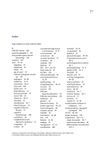
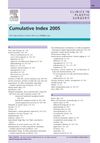 September 2005 in “Clinics in Plastic Surgery”
 The document provides a comprehensive index of medical and surgical topics, including hair removal, hair restoration, and various treatments for injuries and conditions.
 January 1977 in “Case Reports in Medicine”
 Steroid cell tumors in the ovary are rare, can produce testosterone causing symptoms, and are mainly treated with surgery.
Emotional states significantly affect hair growth and hair disorders.
 3 citations
,
December 1962 in “Australasian Journal of Dermatology”
3 citations
,
December 1962 in “Australasian Journal of Dermatology” The current state and future directions of the field that studies the connection between the mind and skin are discussed.
1 citations
,
May 2024 in “International journal of medicine and psychology.” Improving stress tolerance is crucial for better work performance and health.
 1 citations
,
November 2017 in “EMJ Dermatology”
1 citations
,
November 2017 in “EMJ Dermatology” Mind-body techniques and a team approach can help manage skin conditions linked to psychological factors.
 September 2021 in “Physiology News”
 The Future Physiology 2021 conference was successful in providing networking and learning opportunities for early career physiologists online.
 September 2021 in “European Neuropsychopharmacology”
 The research explores how gut bacteria and sleep patterns are related in mental health disorders.
The skin plays a key role in immune responses and reflects emotional and stress reactions.
 34 citations
,
August 2005 in “Dermatologic Clinics”
34 citations
,
August 2005 in “Dermatologic Clinics” Stress and emotional factors can worsen skin conditions by affecting the immune system.
358 citations
,
January 1968 in “Physiological Reviews” Histamine plays key roles in immune responses, stomach acid, and brain signals.
March 2025 in “International Journal of Clinical Dermatology” Psychodermatosis is reclassified based on brain-skin interaction, dividing conditions into psychogenic and psychosomatic categories.
3 citations
,
January 1977 in “Electroencephalography and Clinical Neurophysiology” May 2024 in “International journal of medicine and psychology.” Improving stress resistance can boost the well-being of counseling psychologists.
September 2024 in “Journal of the American Academy of Dermatology” Seborrheic dermatitis affects quality of life and sleep, linked to stress and nervous system changes.
 January 2023 in “Editora Enterprising eBooks”
 Neuropsychopedagogy positively impacts education quality.
11 citations
,
April 2023 in “Skin Health and Disease” Psychological stress can worsen skin conditions like psoriasis and acne.
 1 citations
,
September 2021 in “Physiology News”
1 citations
,
September 2021 in “Physiology News” Understanding how different body systems interact can improve how we prevent or treat frailty in aging.
 September 1997 in “JEADV. Journal of the European Academy of Dermatology and Venereology/Journal of the European Academy of Dermatology and Venereology”
 Psychological factors play a significant role in developing alopecia areata.
2 citations
,
January 2014 in “British Journal of Medicine and Medical Research” The body and mind should be seen as interconnected for better medical understanding and treatment.
 6 citations
,
June 2021 in “Journal of health psychology”
6 citations
,
June 2021 in “Journal of health psychology” The article suggests that the view of male baldness as a medical issue is influenced by commercial bias and calls for more unbiased research.
88 citations
,
May 2020 in “Clinical therapeutics” Stress can worsen skin diseases by affecting immune cells, hormones, and neurotransmitters in the skin.
 January 2009 in “Springer eBooks”
 The document concludes that treating skin conditions should include psychological care and a multidisciplinary approach is essential for effective management.
 20 citations
,
November 2012 in “Journal der Deutschen Dermatologischen Gesellschaft”
20 citations
,
November 2012 in “Journal der Deutschen Dermatologischen Gesellschaft” Hair diseases can have psychological effects and should be treated with a combination of psychosomatic care, therapy, and medication.
Personality traits significantly influence hair loss in women.
Personality affects stress response more than social rank in zebrafish.
Personality affects stress response more than social rank, but low rank worsens stress effects, harming health.