 2 citations
,
July 2024 in “Cermin Dunia Kedokteran”
2 citations
,
July 2024 in “Cermin Dunia Kedokteran” Glaucoma can lead to blindness, but it can be managed with surgery and medication.
 2 citations
,
October 2017 in “Journal of The American Academy of Dermatology”
2 citations
,
October 2017 in “Journal of The American Academy of Dermatology” Focal atrichia helps diagnose female pattern hair loss.
 2 citations
,
December 2013 in “Revista Colombiana de Obstetricia y Ginecología”
2 citations
,
December 2013 in “Revista Colombiana de Obstetricia y Ginecología” Modern beauty standards encourage women to remove pubic hair for aesthetic and social reasons.
 2 citations
,
May 2006 in “Women's Health Medicine”
2 citations
,
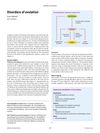
May 2006 in “Women's Health Medicine” Ovulation disorders are a major cause of infertility and menstrual problems in women.
 1 citations
,
December 2018 in “Talenta Conference Series Tropical Medicine (TM)”
1 citations
,
December 2018 in “Talenta Conference Series Tropical Medicine (TM)” Lemongrass oil in gel shampoo effectively fights dandruff, with 10% concentration being the most effective.
 January 2023 in “Pediatric Endocrinology Diabetes and Metabolism”
 Isolated pubic hair in infants is usually harmless and resolves on its own.
 January 2022 in “International journal of zoological investigations”
 Polycystic Ovarian Syndrome is common in overweight urban college girls and may increase the risk of heart and metabolic problems.
 October 2023 in “Paediatrics & child health”
 The document advises health care providers on how to support transgender and gender-diverse youth with appropriate care and referrals.
 2295 citations
,
August 2012 in “The international journal of transgenderism/International journal of transgenderism”
2295 citations
,
August 2012 in “The international journal of transgenderism/International journal of transgenderism” The guidelines recommend informed consent for gender-affirming treatments and stress the importance of personalized, culturally sensitive care for transgender individuals.
 1540 citations
,
October 2008 in “Fertility and Sterility”
1540 citations
,
October 2008 in “Fertility and Sterility” The report concludes that PCOS is mainly a condition of excess male hormones and its definition may change as new information is discovered.
 991 citations
,
January 2011 in “Nature Reviews Endocrinology”
991 citations
,
January 2011 in “Nature Reviews Endocrinology” The document concludes that PCOS is a complex disorder caused by both genetic and environmental factors, affecting women's health in various ways, and requires personalized treatment.
 721 citations
,
October 2011 in “Nature”
721 citations
,
October 2011 in “Nature” Different types of long-lasting stem cells are responsible for the growth and upkeep of the mammary gland.
 467 citations
,
October 2014 in “European Journal of Endocrinology”
467 citations
,
October 2014 in “European Journal of Endocrinology” The European Society of Endocrinology advises individualized long-term management for PCOS, focusing on lifestyle changes, accurate diagnosis, and treatments for associated health risks and symptoms.
 378 citations
,
November 2011 in “Human reproduction update”
378 citations
,
November 2011 in “Human reproduction update” Experts recommend using evidence-based methods to diagnose and treat hirsutism, focusing on symptoms and underlying causes.
 356 citations
,
September 2014 in “Journal of Clinical Research in Pediatric Endocrinology”
356 citations
,
September 2014 in “Journal of Clinical Research in Pediatric Endocrinology” Childhood obesity is rising globally due to various factors, and early prevention and healthy lifestyle changes are crucial.
 258 citations
,
July 2016 in “Reproductive Biology and Endocrinology”
258 citations
,
July 2016 in “Reproductive Biology and Endocrinology” The document concludes that insulin resistance is key in PCOS development and early treatment is crucial to prevent complications.
 253 citations
,
March 2006 in “The Journal of Clinical Endocrinology and Metabolism”
253 citations
,
March 2006 in “The Journal of Clinical Endocrinology and Metabolism” Exposure to too much androgen before birth might cause polycystic ovary syndrome later in life.
 249 citations
,
November 2003 in “Clinical endocrinology”
249 citations
,
November 2003 in “Clinical endocrinology” Insulin resistance is a key factor in polycystic ovary syndrome, but genetics may also contribute.
 233 citations
,
November 2002 in “The journal of investigative dermatology/Journal of investigative dermatology”
233 citations
,
November 2002 in “The journal of investigative dermatology/Journal of investigative dermatology” Creating stronger blockers for skin enzymes might lead to better treatment for conditions like acne and excessive hair growth.
 222 citations
,
January 2014 in “International journal of reproductive medicine”
222 citations
,
January 2014 in “International journal of reproductive medicine” Insulin resistance and obesity are key factors in the development and worsening of polycystic ovary syndrome, and lifestyle changes are important for managing it.
 196 citations
,
March 2016 in “Nature Communications”
196 citations
,
March 2016 in “Nature Communications” Genetic factors influence hair traits like shape, color, and greying in Latin Americans.
 195 citations
,
November 2019 in “Clinica Chimica Acta”
195 citations
,
November 2019 in “Clinica Chimica Acta” High levels of male hormones, insulin resistance, and obesity are closely linked and worsen polycystic ovary syndrome, but more research is needed to improve treatments.
 157 citations
,
May 2021 in “Endocrine Reviews”
157 citations
,
May 2021 in “Endocrine Reviews” Early diagnosis and individualized treatment improve outcomes for Congenital Adrenal Hyperplasia.
 151 citations
,
August 2010 in “British Journal of Dermatology”
151 citations
,
August 2010 in “British Journal of Dermatology” Guidelines for diagnosing common hair loss include detailed history, clinical examination, and various diagnostic techniques.
 151 citations
,
December 2004 in “Annals of the New York Academy of Sciences”
151 citations
,
December 2004 in “Annals of the New York Academy of Sciences” Congenital Adrenal Hyperplasia is a genetic disorder with two forms, causing symptoms like early puberty and severe acne, but can be identified through screening and treated with glucocorticoids.
 126 citations
,
February 2017 in “JAMA Surgery”
126 citations
,
February 2017 in “JAMA Surgery” Surgeons must understand the full care process for gender confirmation surgery to help transgender individuals effectively.
 124 citations
,
June 2002 in “Best Practice & Research Clinical Endocrinology & Metabolism”
124 citations
,
June 2002 in “Best Practice & Research Clinical Endocrinology & Metabolism” Polycystic Ovary Syndrome likely starts in childhood and may be genetic and influenced by early hormone exposure.
 117 citations
,
May 2017 in “Human Reproduction Update”
117 citations
,
May 2017 in “Human Reproduction Update” The update highlights that non-classic congenital adrenal hyperplasia is common in women with excess male hormones, requires specific hormone tests for diagnosis, and has various treatment options depending on age and symptoms.
 100 citations
,
May 2011 in “Journal of Pediatric and Adolescent Gynecology”
100 citations
,
May 2011 in “Journal of Pediatric and Adolescent Gynecology” The document concludes that proper diagnosis and a multidisciplinary approach are crucial for managing Congenital Adrenal Hyperplasia effectively.
 97 citations
,
March 2009 in “Dermato-endocrinology”
97 citations
,
March 2009 in “Dermato-endocrinology” Hormones significantly affect hair and oil gland function in the skin, and more research is needed on skin-related hormone disorders.