 October 2023 in “Jurnal Farmasi Galenika (Galenika Journal of Pharmacy)”
 Traditional herbs in Amarasi District may help treat dandruff and hair loss.
 March 2021 in “Journal of Pakistan Association of Dermatologists”
 In Pakistan, men with more severe hair loss often have a higher BMI.
 34 citations
,
January 2018 in “International Journal of Dermatology”
34 citations
,
January 2018 in “International Journal of Dermatology” Scalp cooling is the most effective FDA-approved method to prevent chemotherapy-induced hair loss, but more research is needed for other treatments.
 6 citations
,
October 2022 in “American journal of clinical dermatology”
6 citations
,
October 2022 in “American journal of clinical dermatology” The review shows how to properly diagnose and treat the loss of eyebrow and eyelash hair.
 2 citations
,
July 2005 in “Baylor University Medical Center Proceedings”
2 citations
,
July 2005 in “Baylor University Medical Center Proceedings” A 4-year-old girl was diagnosed with trichotillomania, a condition where she pulls out her hair, which may resolve on its own or require therapy.
 69 citations
,
August 2008 in “Journal of The European Academy of Dermatology and Venereology”
69 citations
,
August 2008 in “Journal of The European Academy of Dermatology and Venereology” Oral dutasteride and topical pimecrolimus can safely and effectively treat Frontal Fibrosing Alopecia, leading to significant hair regrowth.
 20 citations
,
January 2018 in “Expert Opinion on Drug Safety”
20 citations
,
January 2018 in “Expert Opinion on Drug Safety” Personalized treatment with inhibitors, minoxidil, and laser therapy helps hair loss.
 1 citations
,
August 2020 in “Food Research”
1 citations
,
August 2020 in “Food Research” Plant extracts like Avicennia marina, Boehmeria nipononivea, and Camellia sinensis could potentially treat hair loss with fewer side effects than synthetic drugs.
 January 2003 in “American Journal of Clinical Dermatology”
 In 2002, various skin reactions were reported due to different drugs, including allergies, hair loss, skin lesions, and other skin conditions.
 23 citations
,
April 2021 in “Journal of Clinical Medicine”
23 citations
,
April 2021 in “Journal of Clinical Medicine” Frontal Fibrosing Alopecia's cause is unclear, affects mainly postmenopausal women, and current treatments focus on stopping hair loss rather than regrowth.
 2 citations
,
March 2015 in “World journal of acupuncture-moxibustion”
2 citations
,
March 2015 in “World journal of acupuncture-moxibustion” Traditional Chinese medicine techniques like catgut embedment, moxibustion, and bloodletting showed better results for treating hair loss than the drug finasteride.
 23 citations
,
February 2004 in “Clinical and Experimental Ophthalmology”
23 citations
,
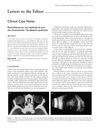
February 2004 in “Clinical and Experimental Ophthalmology” A boy with chromosome 13q deletion syndrome developed eye cancer, a woman with breast cancer lost vision due to a rare side-effect of her treatment, a man's vision worsened after using a hair loss drug, and two rare disorders were discussed. Optical Coherence Tomography is useful for diagnosing and monitoring these conditions.
 6 citations
,
November 2018 in “Journal of Critical Care”
6 citations
,
November 2018 in “Journal of Critical Care” Many survivors of critical illness, especially those with sepsis, experience hair loss.
 February 2024 in “Endocrinology and Disorders”
 Balanced hormones are crucial for women's health, and can be managed with lifestyle changes or hormone therapy if needed.
 November 2022 in “JAAD case reports”
 A man with skin and hair symptoms improved partially with specific treatment.
 August 2024 in “EMJ Dermatology”
 Non-scarring alopecia in females affects emotional well-being and requires accurate diagnosis and personalized treatment.
 3 citations
,
October 2021 in “Clinical, Cosmetic and Investigational Dermatology”
3 citations
,
October 2021 in “Clinical, Cosmetic and Investigational Dermatology” Scalp melanoma, a deadly skin cancer, is often found late due to its hard-to-see location, especially in older men. Early detection, possible treatments, and the role of hairdressers in spotting it early are discussed. More research is needed to improve detection and treatment.
 1 citations
,
April 2022 in “BMC Genomics”
1 citations
,
April 2022 in “BMC Genomics” Researchers found genes linked to hair loss in male giant pandas.
11 citations
,
December 2015 in “Indian journal of dermatology, venereology, and leprology” Dermoscopy quickly and accurately diagnosed a rare hair disorder in a 12-year-old girl.
June 2023 in “The Journal of Family Practice” The hair loss is likely due to a fade haircut.
October 2025 in “Bioactive Materials” Combining traditional Chinese medicine with microneedles shows promise for effectively treating skin diseases with fewer side effects.

Fad diets and supplements from social media can cause skin and hair problems.
 4 citations
,
December 2023 in “Advanced science”
4 citations
,
December 2023 in “Advanced science” New injectable hydrogels with gelatin, metal, and tea polyphenols help heal diabetic wounds faster by controlling infection, improving blood vessel growth, and managing oxidative stress.
May 2026 in “Case Reports in Dermatology” Switching immunosuppressants can improve hair regrowth and well-being in transplant patients experiencing hair loss.
 January 2014 in “Cosmoderma”
 The document concludes that personalized treatment plans for hair loss in Asian men are necessary and more research is needed to develop effective guidelines.
10 citations
,
November 2024 in “Diagnostics” High androgen levels cause skin issues in PCOS, affecting quality of life.
 March 2024 in “Case Reports in Dermatology”
 A woman's hair loss was misdiagnosed as alopecia areata but was actually lichen planopilaris, needing immediate and ongoing treatment.
January 2023 in “Odisha Journal of Psychiatry” Thorough patient interviews are crucial to identify self-inflicted hair loss.
 January 2020 in “Open Journal of Obstetrics and Gynecology”
 All women with Polycystic Ovary Syndrome (PCOS) in a study had at least one skin disorder, with the most common being excessive hair growth, acne, dark skin patches, hair loss, and oily skin.

Androgenetic alopecia, or hair loss, is caused by a mix of genetics, hormones, and environment, where testosterone affects hair growth and causes hair to become smaller and grow for a shorter time.