5 citations
,
September 2019 in “The Open biomarkers journal” Linoleic acid (Vitamin F) can help protect against the harmful effects of acrylamide.
January 2009 in “Journal watch” The treatment helped some patients with severe hair loss regrow hair.
22 citations
,
April 2013 in “International Journal of Dermatology” Frontal fibrosing alopecia can occur with lichen planus pigmentosus, needing careful diagnosis and treatment.
40 citations
,
July 2019 in “Journal of Investigative Dermatology” Lack of a key enzyme causes severe skin issues and death in mice.
October 2020 in “The American journal of gastroenterology” Para-aminobenzoic acid in hair supplements can cause autoimmune hepatitis.
 339 citations
,
February 2014 in “Journal of The American Academy of Dermatology”
339 citations
,
February 2014 in “Journal of The American Academy of Dermatology” Most patients with frontal fibrosing alopecia are postmenopausal women, and treatments like finasteride and dutasteride can improve or stabilize the condition.
 1 citations
,
July 2012 in “EFSA Journal”
1 citations
,
July 2012 in “EFSA Journal” The combination of certain vitamins and pumpkin seed oil has not been proven to maintain normal hair.
 September 2022 in “The American journal of dermatopathology/American journal of dermatopathology”
 Sunscreen particles were not found in inflamed or fibrotic areas of skin in FFA patients, suggesting no direct link to the disease.
 12 citations
,
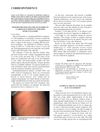
January 2005 in “Pediatric Dermatology”
12 citations
,
January 2005 in “Pediatric Dermatology” Fox Fordyce disease might be more common in prepubertal girls than thought and can be managed with treatment.
 25 citations
,
May 2020 in “Progress in Organic Coatings”
25 citations
,
May 2020 in “Progress in Organic Coatings” Castor oil-based polyurethanes are promising for making safe, strong-performing, eco-friendly hair-styling products.
 December 2023 in “The journal of physical chemistry. B (1997 : Online)”
 Human hair keratin might be good for filtering out harmful substances from water.
 October 2023 in “arXiv (Cornell University)”
 Human hair keratins might be good for filtering out harmful substances like diclofenac and PFBS from water.
January 2025 in “Journal of Controlled Release” A new microneedle patch helps treat hair loss by improving drug delivery to hair follicles.
August 2025 in “Cosmetics” Cosmeceuticals like sunscreens may trigger frontal fibrosing alopecia, but more research is needed.
 November 2024 in “Applied Sciences”
 Wild strawberry waste extract can be a sustainable cosmetic ingredient for treating acne and hair loss.
16 citations
,
April 2021 in “Biomedicines” Ferulic acid helps wounds heal faster by reducing inflammation and promoting skin cell movement.
 14 citations
,
March 2023 in “Scientific Reports”
14 citations
,
March 2023 in “Scientific Reports” Oxidative stress, not insulin resistance, is significantly related to free androgen index in PCOS.
 March 2025 in “International Journal of Trichology”
 FAPD in children may not depend on androgens and should be treated with anti-inflammatory measures and minoxidil.
2 citations
,
January 2012 in “Journal of Clinical & Experimental Dermatology Research” Fexofenadine reduces discomfort but doesn't significantly improve hair regrowth in Alopecia Areata treatment.
 1 citations
,
October 2008 in “Expert Review of Dermatology”
1 citations
,
October 2008 in “Expert Review of Dermatology” Frontal Fibrosing Alopecia is a slowly progressing hair loss condition, likely underdiagnosed, with ineffective treatments, needing more research to understand it fully.
 April 2018 in “Journal of Investigative Dermatology”
 Fetuin A may increase collagen production and promote scarring.
 21 citations
,
April 2019 in “Clinical, cosmetic and investigational dermatology”
21 citations
,
April 2019 in “Clinical, cosmetic and investigational dermatology” The document concludes that stopping shaving or removing affected hair can alleviate Pseudofolliculitis barbae (PFB).
January 2013 in “Frontiers in Immunology” Parental uveitis increases offspring's risk and severity of autoimmune eye disease.
 155 citations
,
September 2008 in “British journal of dermatology/British journal of dermatology, Supplement”
155 citations
,
September 2008 in “British journal of dermatology/British journal of dermatology, Supplement” FFA is more common in postmenopausal women, can affect younger women, and may stabilize over time.
17 citations
,
June 2016 in “Archives de Pédiatrie” Frontal fibrosing alopecia can occur in children, not just postmenopausal women.
June 2026 in “Journal of Cosmetic Dermatology” FFA patients have higher metal levels in hair, possibly linked to product use.
63 citations
,
April 1985 in “Journal of the American Academy of Dermatology” Topical PUVA can cause temporary hair regrowth in some alopecia areata patients but doesn't change the long-term outcome.
17 citations
,
September 2024 in “Cosmetics” Cold-pressed plant oils have valuable natural antioxidants and skin care benefits.
 September 2022 in “Journal of the American Academy of Dermatology”
 Patients with lichen planopilaris/frontal fibrosing alopecia have a higher rate of vitamin D deficiency than the general US population.
 21 citations
,
January 2013 in “Annals of dermatology/Annals of Dermatology”
21 citations
,
January 2013 in “Annals of dermatology/Annals of Dermatology” The combination of cyclosporine and PUVA might help treat severe alopecia areata.