 January 2019 in “LASER THERAPY”
 Laser technologies improve medical treatments and outcomes.
 January 2019 in “ARC journal of pharmaceutical sciences”
 Acne can be managed with various treatments and requires psychological support due to its emotional impact.
 January 2019 in “Clinical Dermatology Open Access Journal”
 Combining corticosteroids and non-ablative fractional laser therapy may effectively treat extensive alopecia areata.
 January 2018 in “Springer eBooks”
 Different races and genders have unique skin and hair issues, requiring specialized care and more research for effective treatment.
 March 2017 in “InTech eBooks”
 Acne vulgaris is a common skin condition that can cause low self-esteem and depression, and early treatment is important to prevent scarring.
January 2016 in “Dermatology Online Journal” Hormonal therapy changes skin and hair in transgender patients, who need better researched dermatologic care.
 January 2016 in “Georg Thieme Verlag eBooks”
 More East Asians are accepting and getting facial plastic surgery, with a focus on natural-looking results and using both surgical and nonsurgical methods.
 September 2015 in “University of Southern Denmark Research Portal (University of Southern Denmark)”
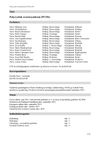
 The guideline offers recommendations for diagnosing and managing PCOS and its complications.
 March 2014 in “Journal of The American Academy of Dermatology”
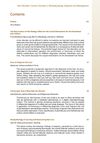
 The document lists various dermatology topics, treatments, and diagnostic methods.
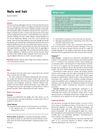
Different hair and nail conditions can indicate health issues and have specific treatments; accurate diagnosis is crucial before treatment.
 January 2013 in “Dermatologic Clinics”
 Hair disorders need a holistic approach, including medical, cosmetic, and psychological support.
 December 2008 in “The American Journal of Cosmetic Surgery”
 Multi-pass laser skin treatments improved healing, reduced pain, and had no major complications.
 January 2008 in “Journal of The American Academy of Dermatology”
 Hair loss affects 20% of people, more in men and those over 35, and is often associated with a sensitive scalp.
 January 2008 in “Journal of The American Academy of Dermatology”
 A nonchemical lotion was found effective in killing head lice and their eggs in most people, indicating it could be useful for managing head lice.
 January 2008 in “Journal of The American Academy of Dermatology”
 Trichoscopy is a helpful and quick method to identify different types of hair loss in women.
 June 2006 in “The American Journal of Cosmetic Surgery”
 Advancements in cosmetic and reconstructive surgery improve techniques and patient satisfaction.
 May 2006 in “Women's Health Medicine”
 Excessive hair growth in women, often from high androgen levels, is usually caused by PCOS, and can be treated with hair removal, medication, and possibly weight loss.
 January 2005 in “Elektronische Hochschulschriften der LMU München (Ludwig-Maximilians-Universität München)”
 Topical immunotherapy with DPCP is most effective for certain alopecia areata types, with success linked to age and disease duration, and influenced by a gene polymorphism.
 December 2025 in “Al-Iraqia Medical College Journal”
 Virus infection risk is linked to heat tolerance and size, but decreases with high humidity and mutation rate.
 21 citations
,
April 2019 in “Clinical, cosmetic and investigational dermatology”
21 citations
,
April 2019 in “Clinical, cosmetic and investigational dermatology” The document concludes that stopping shaving or removing affected hair can alleviate Pseudofolliculitis barbae (PFB).
 4 citations
,
July 2021 in “Dermatology and therapy”
4 citations
,
July 2021 in “Dermatology and therapy” Hormone therapy increases facial and body hair in transgender men, while hair removal improves well-being in transgender women, but cost is a barrier as insurance often doesn't cover it. Dermatologists can use various treatments for these hair issues.
 1 citations
,
March 2023 in “International Journal of Health and Pharmaceutical Medicine”
1 citations
,
March 2023 in “International Journal of Health and Pharmaceutical Medicine” Impaired skin barrier function worsens acne.
 421 citations
,
January 2015 in “Chemical Society Reviews”
421 citations
,
January 2015 in “Chemical Society Reviews” Improving artificial vascular grafts requires better materials and surface designs to reduce blood clotting and support blood vessel cell growth.
 393 citations
,
November 2000 in “Archives of General Psychiatry”
393 citations
,
November 2000 in “Archives of General Psychiatry” Testosterone is important for men's sexual function, may help some women's sexual desire, while other hormones and neurotransmitters also play complex roles in sexual behavior.
 306 citations
,
April 2019 in “International Journal of Molecular Sciences”
306 citations
,
April 2019 in “International Journal of Molecular Sciences” The skin has a complex immune system that is essential for protection and healing, requiring more research for better wound treatment.
 262 citations
,
May 2017 in “Nanomedicine”
262 citations
,
May 2017 in “Nanomedicine” New nanofiber technology improves wound healing by supporting cell growth and delivering treatments directly to the wound.
 238 citations
,
March 2013 in “Development”
238 citations
,
March 2013 in “Development” Fat cells help recruit healing cells and build skin structure during wound healing.
 218 citations
,
April 2012 in “British Journal of Dermatology”
218 citations
,
April 2012 in “British Journal of Dermatology” Guidelines suggest various treatments for alopecia areata, but leaving it untreated is also an option as 80% cases may recover on their own.
 205 citations
,
March 2012 in “Science Translational Medicine”
205 citations
,
March 2012 in “Science Translational Medicine” PGD2 stops hair growth and is higher in bald men with AGA.
 182 citations
,
October 2003 in “British Journal of Dermatology”
182 citations
,
October 2003 in “British Journal of Dermatology” The 2003 guidelines suggest that while some treatments can regrow hair in alopecia areata, none alter the disease's progression, and wigs may be the best option for extensive hair loss.