 June 2008 in “British Journal of Dermatology”
 UK medical students lack dermatology education, liver biopsy patients with risk factors show more fibrosis, and certain fungi resist drugs due to melanin; genetics may influence female hair loss.
 150 citations
,
April 2008 in “Journal of The American Academy of Dermatology”
150 citations
,
April 2008 in “Journal of The American Academy of Dermatology” Scalp dermoscopy is good for diagnosing a type of hair loss and helps choose the best spots for biopsy.
 91 citations
,
January 2009 in “International Journal of Trichology”
91 citations
,
January 2009 in “International Journal of Trichology” Different hair evaluation methods have their own pros and cons, and using multiple methods together is best for accurate hair loss diagnosis and tracking.
 76 citations
,
July 2011 in “Clinical, Cosmetic and Investigational Dermatology”
76 citations
,
July 2011 in “Clinical, Cosmetic and Investigational Dermatology” The document concludes that proper diagnosis and FDA-approved treatments for different types of hair loss exist, but treatments for severe cases often fail and future improvements may focus on hair follicle stem cells.
 63 citations
,
May 2000 in “Australasian Journal of Dermatology”
63 citations
,
May 2000 in “Australasian Journal of Dermatology” Chemotherapy and bone marrow transplant can cause permanent hair loss.
 33 citations
,
August 2005 in “The American Journal of Dermatopathology”
33 citations
,
August 2005 in “The American Journal of Dermatopathology” Both vertical and transverse sections are useful for diagnosing alopecia, but using both methods together is best.
 31 citations
,
April 2010 in “British journal of dermatology/British journal of dermatology, Supplement”
31 citations
,
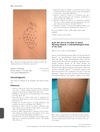
April 2010 in “British journal of dermatology/British journal of dermatology, Supplement” Frontal fibrosing alopecia can cause sudden hair loss on limbs, similar to scalp hair loss.
 9 citations
,
June 2021 in “International Journal of Pharmaceutics”
9 citations
,
June 2021 in “International Journal of Pharmaceutics” Using polymeric micelles to deliver spironolactone topically could improve wound healing in skin affected by glucocorticoids.
 6 citations
,
May 2015 in “Veterinary Clinics of North America: Equine Practice”
6 citations
,
May 2015 in “Veterinary Clinics of North America: Equine Practice” Horse skin diseases are complex to manage and often require a biopsy for accurate diagnosis and treatment.
 January 2025 in “Journal of Skin and Stem Cell”
 Gout can cause hair loss, but treatment can lead to hair regrowth.
 November 2022 in “Research Square (Research Square)”
 Seasonal changes affect hair growth genes in Angora goats, possibly influencing mohair quality.
 April 2018 in “bioRxiv (Cold Spring Harbor Laboratory)”
 A gene variant causes patched hair loss in mice, similar to alopecia areata in humans.
 May 2015 in “Journal of The American Academy of Dermatology”
 A woman with Parry-Romberg syndrome developed new curly hair on one side of her scalp, a condition not previously linked to the syndrome.
 May 2015 in “Journal of The American Academy of Dermatology”
 A heart transplant patient developed a skin condition called epidermodysplasia verruciformis after taking immune-suppressing drugs.
 July 2014 in “Elsevier eBooks”
 The document concludes that various hypersensitivity diseases in horses can be diagnosed and treated with methods like immunotherapy and medication, and early aggressive treatment is crucial for severe diseases like equine cutaneous pythiosis.

Hair follicles can be used to quickly assess drug effects in cancer treatment.
 December 2008 in “The American Journal of Cosmetic Surgery”
 Multi-pass laser skin treatments improved healing, reduced pain, and had no major complications.
 March 1997 in “The American Journal of Cosmetic Surgery”
 A new hair transplant method showed promising results and a study found how deep a CO₂ laser can penetrate skin.
 January 1989 in “Clinical and Experimental Dermatology”
 The symposium concluded that hair growth involves complex processes, including the hair follicle life cycle, the role of the dermal papilla, hair strength, pigmentation, and the impact of diseases and treatments like minoxidil on hair and skin.
5 citations
,
July 2023 in “Microorganisms” The study found specific skin and cell changes in patients with monkeypox, helping diagnose and understand the disease.
1 citations
,
January 2010 in “Acta Chirurgica Latviensis” Inflammation in psoriasis may trigger antimicrobial peptides and cell death.
127 citations
,
January 2000 in “Journal of Investigative Dermatology” Cytotoxic T cells cause hair loss in chronic alopecia areata.
1 citations
,
July 2021 in “bioRxiv (Cold Spring Harbor Laboratory)” Ablative fractional laser treatment rejuvenates aged skin by activating genes related to wound healing and tissue regeneration.
July 2025 in “Journal of Investigative Dermatology” Acne involves increased lipid production and inflammation, affecting skin cell behavior and treatment resistance.
November 2025 in “Journal of Investigative Dermatology” Dark skin has stronger barriers and structure due to specific gene activity.
December 2020 in “Pathology” A man's skin condition and poor diet led to a scurvy diagnosis.
45 citations
,
September 2000 in “Archives of dermatology” The study found that the enzyme linked to acne is present in the same areas of both acne-affected and normal skin.
5 citations
,
July 2009 in “Experimental and Clinical Endocrinology & Diabetes” Nuclear AR levels give better insight into hormone effects in skin conditions.
Androgen receptors significantly affect hair loss in women with androgenetic alopecia.
3 citations
,
February 2017 in “The American journal of dermatopathology/American journal of dermatopathology” Sarcoidosis can mimic other skin disorders, making diagnosis challenging.